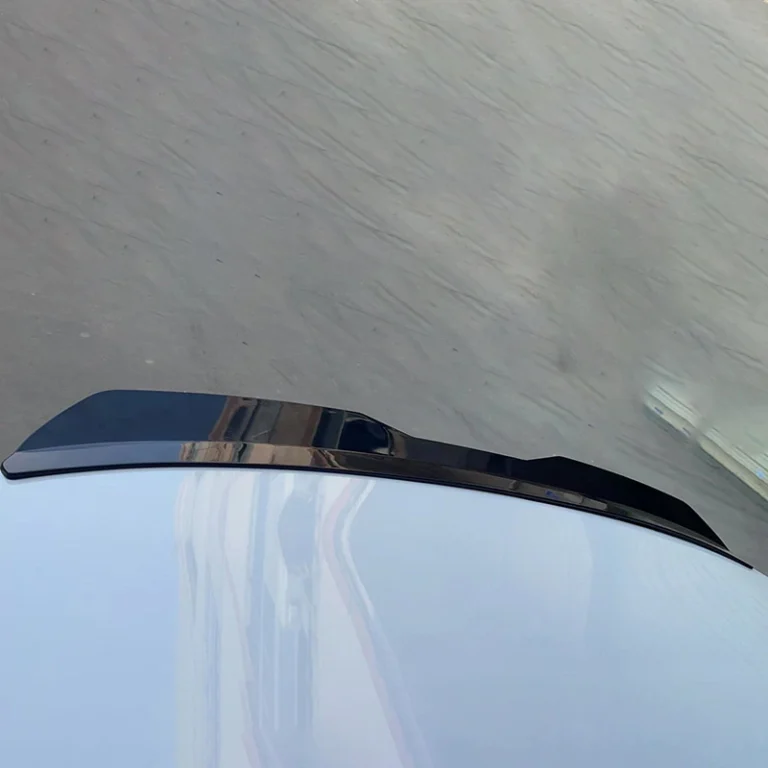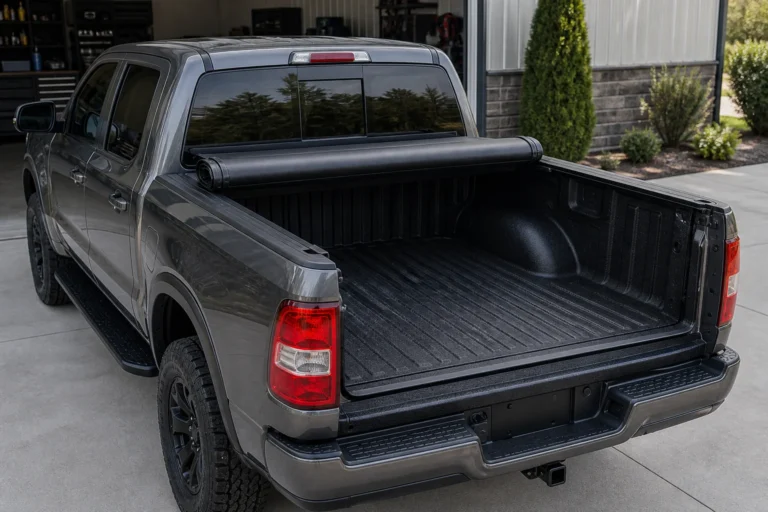




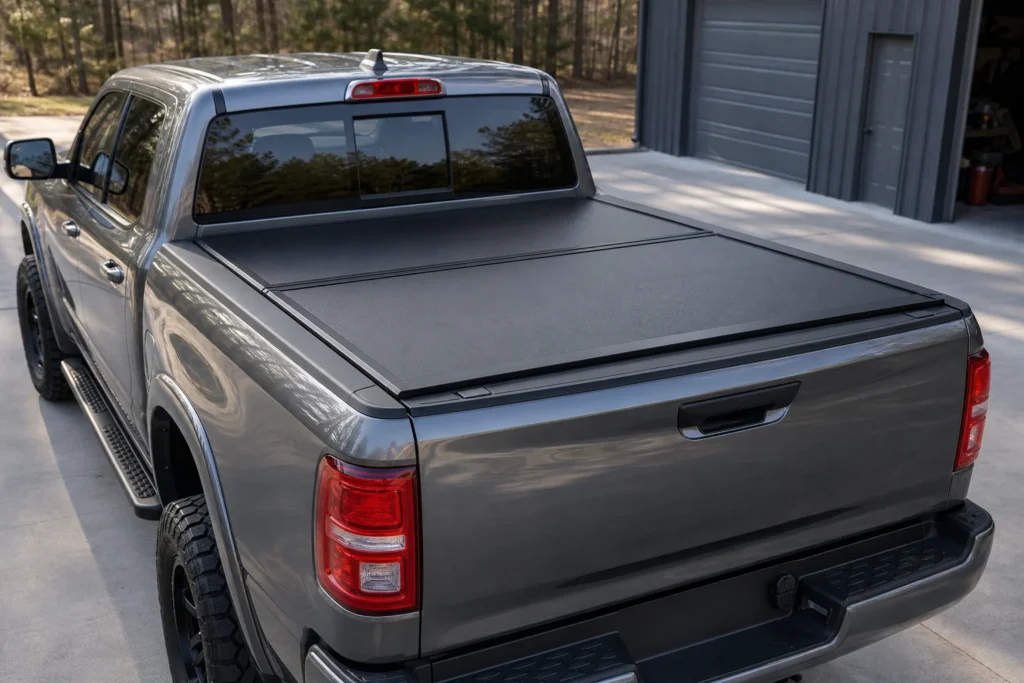
La mayoría de las cubiertas de caja están construidas con tela recubierta de PVC o vinilo, paneles o listones de aluminio, plástico reforzado con fibra de vidrio, ABS, policarbonato u otra estructura compuesta. La cubierta también necesita rieles, un marco, sellos, pestillos, bisagras y, a veces, piezas de drenaje, por lo que la piel visible es solo una parte del producto.
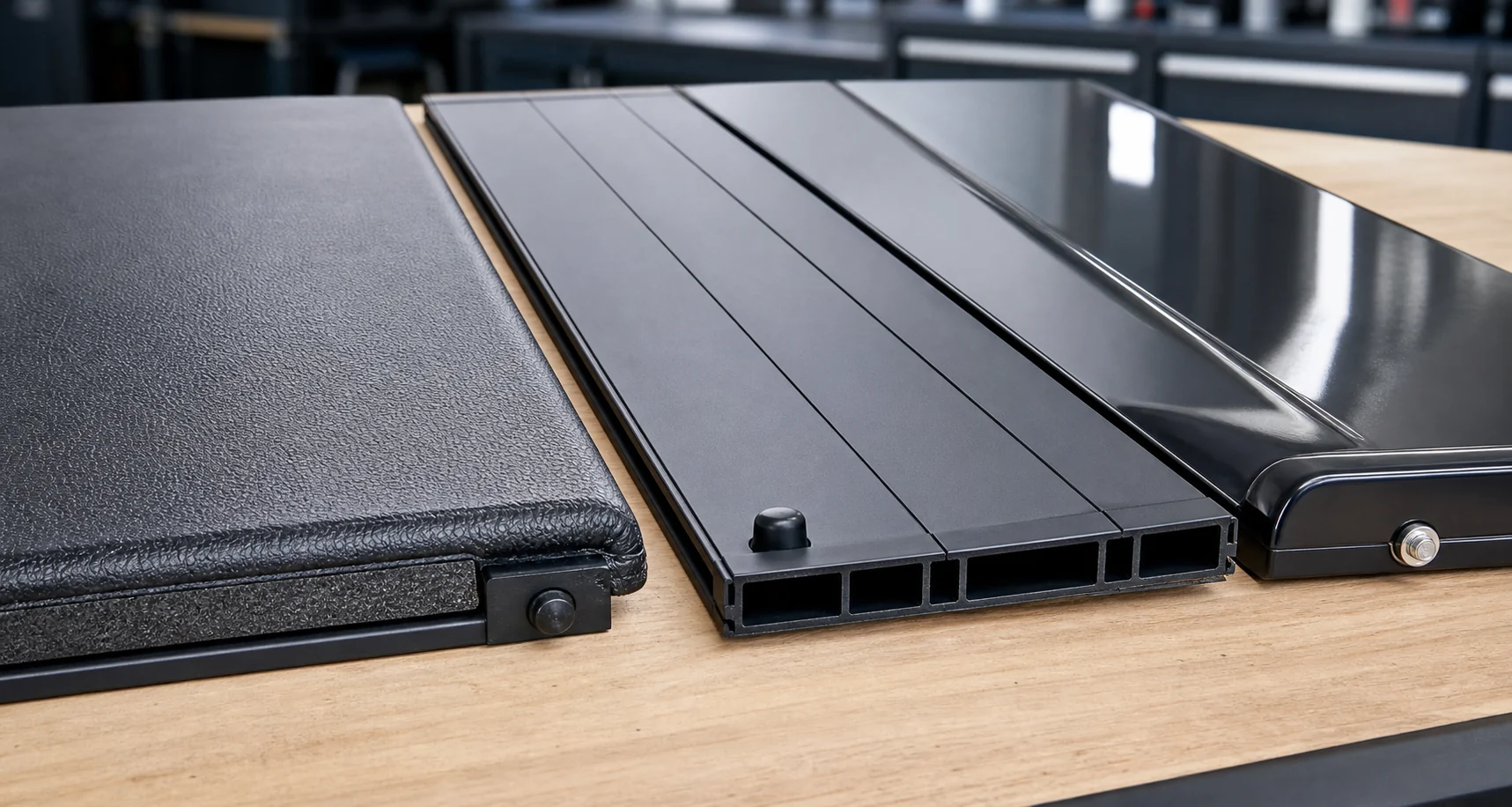
El vinilo suele ser la opción más ligera y económica. El aluminio proporciona un equilibrio útil entre rigidez, peso y seguridad. La fibra de vidrio ofrece un acabado liso de una sola pieza, mientras que el ABS, el policarbonato y los compuestos tipo sándwich pueden moldearse o diseñarse para requisitos específicos de peso, impacto y estilo.
Tabla de contenido
- ¿De qué suelen estar hechas las cubiertas de caja?
- ¿En qué se diferencian los materiales y las estructuras de las cubiertas de caja?
- ¿Qué son las cubiertas de caja de ABS, policarbonato y compuestas?
- ¿Qué especificaciones de materiales deben incluir los compradores en una cotización?
- ¿Cómo pueden los compradores probar la calidad del material de las cubiertas de caja?
- ¿Cuándo tiene más sentido una cubierta de caja de vinilo?
- ¿Por qué muchas cubiertas de caja rígidas usan aluminio?
- ¿Qué hace diferentes a las cubiertas de caja de fibra de vidrio?
- ¿Qué otras piezas importan además del material principal?
- Conclusión: elija la construcción, no solo el nombre del material
- Preguntas frecuentes
- Referencias
¿De qué suelen estar hechas las cubiertas de caja?
Una cubierta de caja suele ser un sistema en capas en lugar de una sola lámina. Las cubiertas blandas usan una tela tejida recubierta sobre rieles o arcos. Las cubiertas rígidas pueden usar pieles de aluminio, listones entrelazados, plástico moldeado, laminados de fibra de vidrio o un panel tipo sándwich con un núcleo rígido. Los sellos de goma o elastómero controlan luego el agua y el polvo en los rieles, la compuerta trasera y el borde frontal de la caja.
El estilo de apertura reduce la construcción probable. Una cubierta blanda enrollable necesita una lámina exterior flexible; una de triple plegado necesita núcleos de panel y bisagras; una cubierta retráctil necesita listones que puedan deslizarse a través de rieles y un canister; y una tapa rígida de una sola pieza necesita un caparazón rígido con hardware confiable de elevación y pestillo. La comparación relacionada de cubiertas de caja rígidas vs. blandas explica por qué el material y el estilo de apertura deben evaluarse juntos.
Para los lectores que aún están eligiendo la familia de cubiertas, la guía completa de cubiertas de caja mapea la construcción rígida/blanda por separado de los mecanismos de apertura enrollables, plegables, retráctiles y con bisagras.
Esta distinción importa porque la misma etiqueta puede describir productos diferentes. “Cubierta de aluminio” podría significar una piel delgada de aluminio sobre un núcleo, un marco de aluminio con una parte superior de vinilo o listones sólidos entrelazados. “Cubierta compuesta” podría significar un panel moldeado de ABS, un laminado de fibra de vidrio o un panel tipo sándwich. Un comprador necesita los detalles de construcción, no solo el nombre de marketing.
¿En qué se diferencian los materiales y las estructuras de las cubiertas de caja?
La comparación útil no es simplemente “blanda versus rígida”. Antes de aprobar una muestra, pregunte de qué están hechos la superficie exterior, el núcleo de carga, el marco, el sello y el mecanismo de apertura.
| Construcción | Material exterior | Núcleo o estructura | Marco y rieles | Sello y drenaje | Estilos de apertura comunes | Riesgo principal a verificar |
|---|---|---|---|---|---|---|
| Tela blanda recubierta | Poliéster o tela recubierta de PVC/vinilo | Malla tejida, arcos o soportes flexibles | Rieles de aluminio, arcos, abrazaderas | Sellos de bulbo o solapa; las brechas de la compuerta trasera necesitan control | Enrollable blanda, triple plegado blando | Estiramiento, agrietamiento por UV, falla de costuras o bordes |
| Panel o listón de aluminio | Aluminio recubierto en polvo, texturizado o con piel de vinilo | Lámina, núcleo adherido o listones entrelazados | Rieles laterales de aluminio y bisagras | Sellos de compresión, canales, tubos de drenaje donde se requieran | Triple plegado rígido, enrollable rígido, retráctil | Abolladuras, falla del recubrimiento, traqueteo, desgaste de juntas |
| Caparazón de fibra de vidrio/FRP | Plástico reforzado con fibra de vidrio con gelcoat o pintado | Fibra de vidrio y resina con refuerzo inferior | Bisagras, puntales, marco perimetral | Sello perimetral continuo y sello de compuerta trasera | Tapa abatible de una pieza | Grietas, ondulaciones superficiales, exceso de peso, daños en la pintura |
| ABS, policarbonato o panel compuesto | Piel termoplástica moldeada o compuesta | Nervios, panal de abeja, espuma o núcleo laminado | Bordes moldeados o rieles de soporte de aluminio | Sellos de compresión y trayectorias de drenaje diseñadas | Paneles rígidos plegables, abatibles, retráctiles y especiales | Variación oculta del núcleo, distorsión por calor, daños por impacto o rayones |
¿Qué son las cubiertas de caja de ABS, policarbonato y compuestas?
El ABS y el policarbonato son termoplásticos; el plástico reforzado con fibra de vidrio es un compuesto de fibra; y un panel sándwich combina pieles con un núcleo separado. No deben agruparse bajo una palabra vaga como “plástico”.”
ABS se usa a menudo para pieles moldeadas, tapas extremas y paneles rígidos donde importan la resistencia al impacto, la forma y la repetibilidad de fabricación. El comprador debe verificar el grado, el espesor de pared, la disposición de los nervios, la estabilización UV y si la superficie visible está pintada, texturizada o cubierta.
Policarbonato puede seleccionarse donde la resistencia al impacto y la geometría moldeada son importantes. Puede tener un comportamiento diferente al ABS en cuanto a rayones, UV, calor y costo, por lo que “policarbonato” por sí solo no es una especificación completa.
Construcción compuesta o sándwich puede usar fibra de vidrio, capas cosméticas similares al carbono, pieles de aluminio, espuma, panal de abeja o nervios de polímero moldeado. Su rigidez depende del espesor de la piel, la densidad del núcleo, la unión adhesiva y el diseño de los bordes. Solicite una sección transversal o una composición de materiales en lugar de aceptar “compuesto” como descripción completa.
Para productos retráctiles, la guía de cubiertas retráctiles para caja es un siguiente paso útil porque el material de las lamas, la alineación de los rieles, el espacio del contenedor y el drenaje afectan la experiencia de propiedad tanto como el polímero o el metal en sí.
¿Qué especificaciones de materiales deben incluir los compradores en una cotización?
Una cotización útil debe identificar propiedades medibles y el método de ensayo, no solo decir “para uso pesado” o “grado marino”. El valor de aceptación exacto depende del modelo de camioneta, el clima, el estilo de cubierta y el precio objetivo, por lo que el comprador debe acordar el umbral antes de aprobar la muestra.
| Área a especificar | Qué solicitar | Cómo verificar |
|---|---|---|
| Tela recubierta | Masa total, espesor, tipo de recubrimiento, base de tela, resistencia a la rotura/desgarro, construcción de costuras | Hoja de datos del proveedor más medición de muestra y ensayo de tela recubierta |
| Aluminio | Designación de aleación o material, espesor de panel/lamas, sistema de recubrimiento, acabado superficial, masa por cubierta | Certificado de fábrica o proveedor, verificaciones con calibrador, inspección del recubrimiento |
| ABS/policarbonato | Nombre o grado de resina, espesor de pared, patrón de nervios, tratamiento UV, color/acabado | Declaración de material, mapeo de espesor, inspección de muestra moldeada |
| FRP/compuesto | Sistema de fibra/resina, espesor de piel, tipo y densidad del núcleo, refuerzo de bordes | Muestra de sección transversal, verificación de masa, comparación de flexión |
| Rieles y marco | Material, perfil, espesor de pared, puntos de sujeción, rango de ajuste | Muestra instalada en la cama objetivo |
| Sellos y drenaje | Material del sello, perfil de sección, comportamiento de compresión, tamaño y ruta del tubo de drenaje | Verificación de compresión, prueba de agua, inspección del flujo de drenaje |
Esta hoja de especificaciones crea un registro útil para pedidos repetidos. Si un proveedor cambia el recubrimiento de la tela, el núcleo del panel, el perfil del sello o el espesor de pared del marco, el comprador puede identificar el cambio antes de que se convierta en un problema de devolución.
¿Cómo pueden los compradores probar la calidad del material de las cubiertas de caja?
Los ensayos deben combinar cupones de material, paneles terminados y una cubierta instalada. Un resultado de laboratorio no puede reemplazar una verificación de ajuste, y una muestra de buen aspecto no puede probar el rendimiento climático a largo plazo.
Para tela blanda recubierta, ASTM D751 cubre dimensiones y masa, resistencia a la rotura, elongación, punzonamiento, desgarro, resistencia hidrostática, adhesión del recubrimiento, comportamiento a baja temperatura, envejecimiento por calor y resistencia de costuras 2.
Para exposición a UV y humedad, ASTM G154 proporciona una práctica controlada de UV fluorescente, pero no crea un número universal de aprobado/reprobado. El informe debe identificar la lámpara, la irradiancia, la temperatura, el ciclo húmedo/seco, la duración de exposición, el número de especímenes y los cambios en color, brillo, agrietamiento, adhesión y resistencia 3.
Para aluminio recubierto o plástico pintado, ASTM D3359 puede usarse para calificar la adhesión del recubrimiento mediante prueba de cinta 4. Registre el sustrato, el sistema de recubrimiento, la dirección del ensayo, la calificación y cualquier descamación o delaminación. Un buen resultado de adhesión no prueba la resistencia a la corrosión ni la resistencia al impacto, por lo que esos deben ser requisitos separados.
Para ABS, policarbonato y paneles compuestos rígidos, ASTM D790 mide las propiedades de flexión de plásticos no reforzados y reforzados y puede respaldar una comparación de material o panel 5. El informe debe indicar si la probeta provino de un cupón moldeado, una lámina extruida o el panel terminado, porque la construcción y la orientación afectan el resultado.
La inspección de la cubierta terminada también debe incluir:
- Ajuste: instalar la cubierta en la longitud de caja y el perfil de riel previstos; registrar holguras, posición de las abrazaderas, espacio libre con la compuerta trasera y compresión del sello.
- Operación: abrir y cerrar la cubierta repetidamente según un plan de aceptación escrito; registrar fuerza del pestillo, alineación de bisagras, seguimiento de lamas, vibración de paneles y cualquier interferencia.
- Control de agua: rociar o mojar la cubierta instalada bajo un procedimiento definido, luego inspeccionar los rieles, esquinas, compuerta trasera y salidas de drenaje. Llamar al resultado resistente al agua a menos que el diseño tenga una base documentada para una afirmación más fuerte.
- Embalaje: inspeccionar esquinas, superficies pintadas, bisagras, abrazaderas, instrucciones, etiquetas y piezas de repuesto después de una simulación de envío representativa o una prueba de cartón aprobada.
El punto importante es la trazabilidad: mantener juntos el ID de la muestra, la declaración de material, el método de prueba, las condiciones de prueba, las fotos y la decisión de aceptación. Eso es mucho más útil que decir que una cubierta “se siente fuerte”.”
¿Cuándo tiene más sentido una cubierta de caja de vinilo?
La tela con recubrimiento de vinilo tiene sentido cuando el bajo peso, el bajo costo, el acceso rápido y la protección climática básica importan más que la alta resistencia al robo. Es común en cubiertas blandas enrollables y blandas plegables en tres secciones.
El comprador debe especificar la construcción de la tela, la masa total, el espesor del recubrimiento, el grano superficial, el ribete de borde, la resistencia de las costuras y las expectativas de UV. El relacionado guía de cubiertas tonneau enrollables muestra por qué el material flexible funciona bien cuando el conductor necesita acceso casi completo a la caja.
El vinilo no es una caja fuerte. Un cuchillo puede vencerlo, y una tensión deficiente o una costura débil pueden provocar aleteo, estiramiento o entrada de agua. Para herramientas de alto valor almacenadas al aire libre durante la noche, una construcción rígida merece una consideración más cercana.
¿Por qué muchas cubiertas de caja rígidas usan aluminio?
El aluminio es común porque puede proporcionar una cubierta rígida y de perfil bajo sin la masa completa de una tapa de fibra de vidrio de una sola pieza. Aparece en paneles plegables, cubiertas duras enrollables y lamas retráctiles.
Preguntar si el aluminio es el panel portante, una piel exterior delgada o solo parte del marco. Verificar el espesor del panel, la adhesión del recubrimiento, el acabado de bordes, la alineación de bisagras, las tapas de extremo y las abolladuras superficiales. Para el acceso por paneles, el relacionado guía de cubiertas de tonneau plegables en tres partes explica cómo la construcción plegable cambia el acceso a la caja.
El aluminio mejora la estructura, pero no garantiza automáticamente seguridad ni resistencia a la intemperie. Pestillos débiles, holguras, drenaje deficiente y recubrimientos dañados aún pueden generar quejas.
¿Qué hace diferentes a las cubiertas de caja de fibra de vidrio?
El plástico reforzado con fibra de vidrio generalmente se moldea en una carcasa rígida de una sola pieza con una superficie lisa pintable o de gelcoat. Se adapta a compradores que valoran una apariencia al color de la carrocería, una barrera sustancial y un sello perimetral limpio.
La especificación debe identificar la construcción de fibra/resina, el refuerzo inferior, la masa terminada, el acabado superficial, el sistema de bisagras o puntales y la protección del embalaje. Inspeccionar en busca de ondulaciones, grietas en esquinas, pintura desigual, flexión alrededor del pestillo y marcas de presión después del envío. El relacionado guía de cubierta de caja con bisagras cubre las compensaciones de acceso y herrajes.
La fibra de vidrio es menos conveniente para carga alta y puede ser más costosa de reparar. Un comprador debe elegirla para el caso de uso, no porque “fibra de vidrio” suene más fuerte que todas las alternativas.
¿Qué otras piezas importan además del material principal?
Los rieles, abrazaderas, sellos, bisagras, pestillos y drenaje a menudo deciden si la cubierta funciona bien. El material puede pasar una prueba de cupón y aún así crear un producto deficiente si los rieles no se ajustan a la camioneta o el sello no puede comprimirse uniformemente.
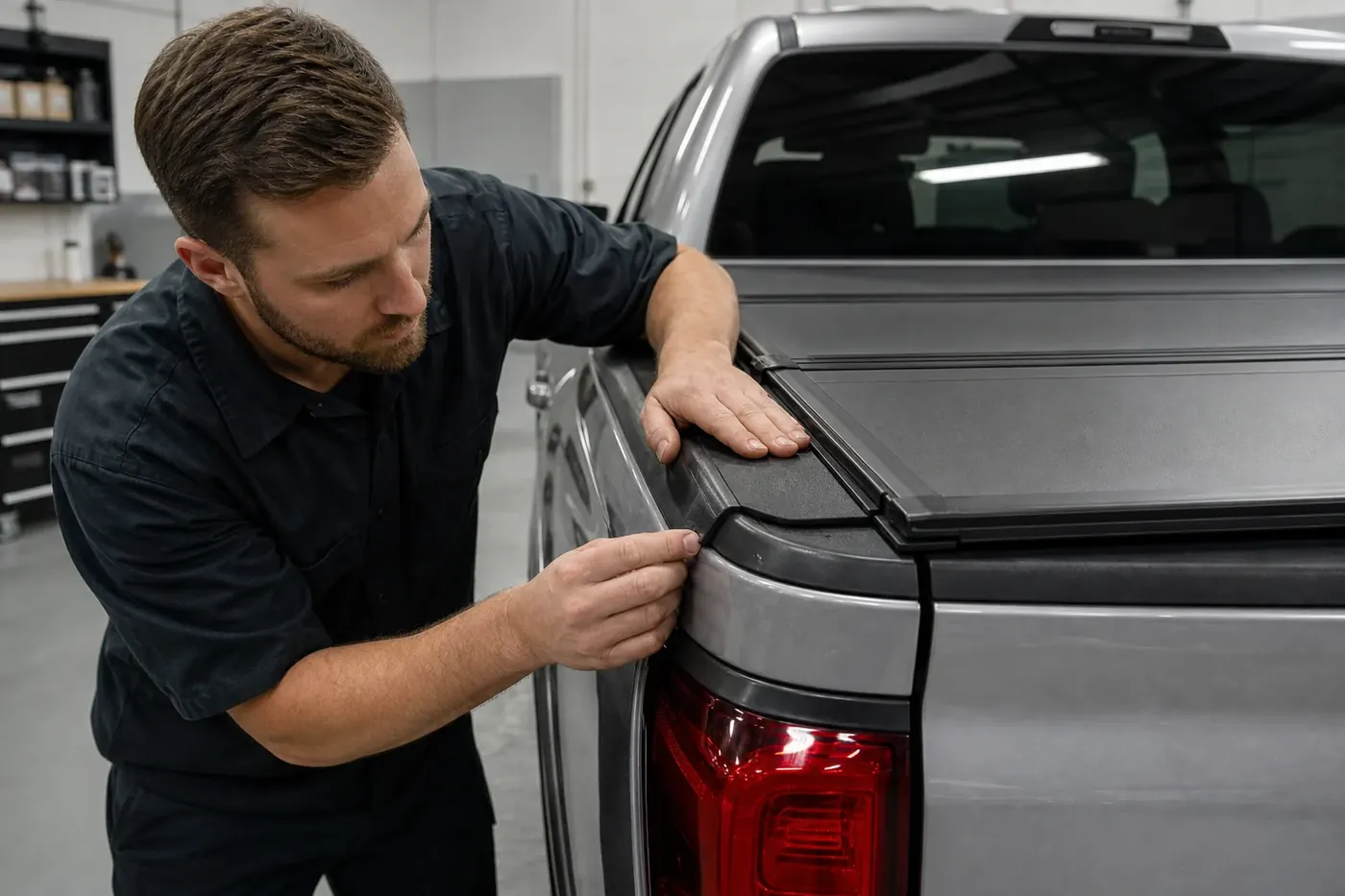
Para un proyecto de abastecimiento, las verificaciones de muestras del equipo Yirox deben registrar el acabado superficial, la rigidez del panel, la composición del material, la alineación del pestillo, la colocación del sello, la protección del cartón, el etiquetado y la consistencia del lote. El siguiente paso para comparar los estilos de cubierta disponibles y las opciones de construcción es la categoría de productos de cubiertas de caja para pickup.
Conclusión: elija la construcción, no solo el nombre del material
El vinilo, aluminio, fibra de vidrio, ABS, policarbonato y paneles compuestos pueden ser apropiados. La elección correcta depende de la construcción completa: piel exterior, núcleo, marco, sello, estilo de apertura, clima, carga y expectativas de reparación.
Para los compradores, la mejora más útil es una especificación escrita y un plan de prueba. Solicitar la composición del material, dimensiones medibles, métodos de prueba relevantes, verificaciones de ajuste instalado y evidencia de embalaje antes de aprobar una muestra. Ese proceso crea un producto más confiable que una afirmación de folleto como “premium”, “impermeable” o “para trabajo pesado”.”
Preguntas frecuentes
¿Son impermeables las cubiertas de vinilo para caja?
Generalmente son resistentes al agua en lugar de completamente impermeables. La tensión de la tela, las costuras, los sellos de los rieles, las holguras de la compuerta trasera y la calidad de la instalación afectan el resultado.
¿Es el aluminio mejor que la fibra de vidrio para una cubierta de caja?
El aluminio suele ser más fácil de manejar y funciona bien para diseños plegables o retráctiles. La fibra de vidrio a menudo se prefiere por una apariencia lisa de una sola pieza, pero aporta más peso y un acceso a la carga menos flexible.
¿Son el ABS y el policarbonato lo mismo que la fibra de vidrio?
No. El ABS y el policarbonato son termoplásticos, mientras que el plástico reforzado con fibra de vidrio utiliza fibras de vidrio en una matriz de resina. Un panel compuesto o sándwich puede combinar varios materiales, por lo que el proveedor debe proporcionar la composición de la construcción.
¿Qué se debe probar en una cubierta de vinilo para caja?
Como mínimo, definir masa y espesor, resistencia a la rotura o al desgarro, adhesión del recubrimiento, resistencia de costuras, comportamiento a baja temperatura, resistencia al agua y exposición a UV. ASTM D751 es una referencia reconocida para métodos de prueba de telas recubiertas.
¿Cuál es la especificación de material más importante para una cubierta de caja?
No existe una única especificación que prediga todo el producto. El registro más útil combina la composición del material, el espesor o la masa, el peso de la cubierta terminada, el diseño del sello y los rieles, el resultado de ajuste y las condiciones de prueba acordadas.
Referencias
[1] Leonard EE. UU. (2024). Cubiertas de aluminio, vinilo y fibra de vidrio y cubiertas de caja.
[2] ASTM International. (2026). Métodos de prueba estándar para telas recubiertas, ASTM D751-26.
[3] ASTM International. (2023). Práctica estándar para el funcionamiento de aparatos de lámpara fluorescente ultravioleta (UV) para la exposición de materiales, ASTM G154-23.
[4] ASTM International. (2023). Métodos de prueba estándar para calificar la adhesión mediante prueba de cinta, ASTM D3359-23.
[5] ASTM International. (2025). Métodos de prueba estándar para propiedades de flexión de plásticos, ASTM D790-25.