



Aplicación Primero
Confirme el vehículo, equipo o tarea de iluminación prevista.
CENTRO DE ABASTECIMIENTO DE ILUMINACIÓN AUTOMOTRIZ
Yirox apoya proyectos B2B de iluminación automotriz en vehículos específicos Auto
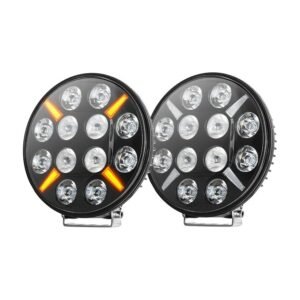
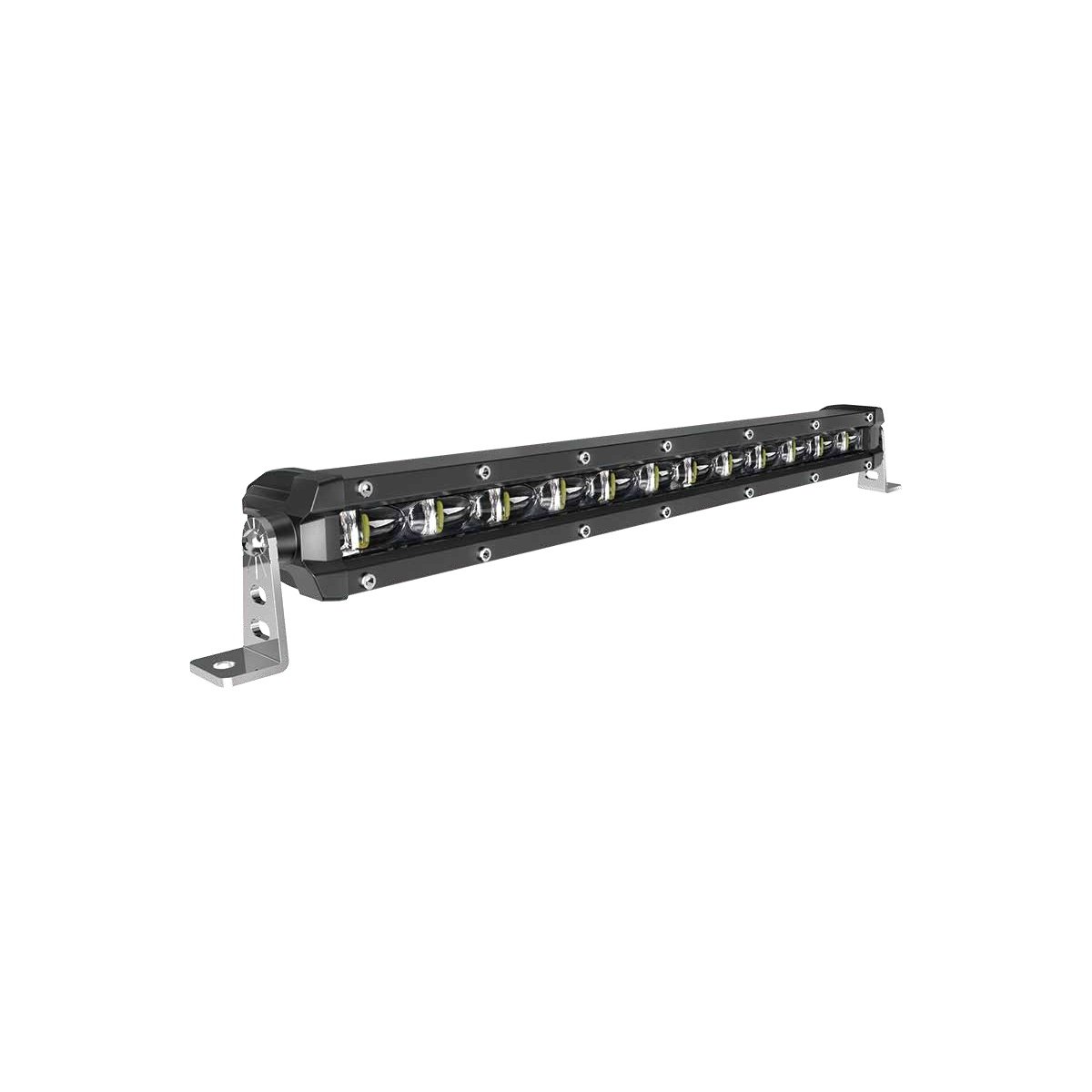
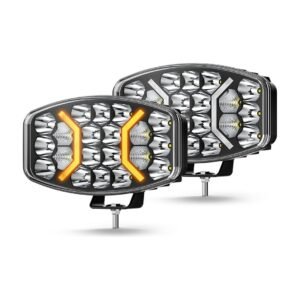
Faros delanteros, Barras de Luz LED y sistemas de Iluminación Off-Road más amplios. Cada categoría
requiere una ruta de cotización diferente: los faros delanteros comienzan con la aplicación del vehículo
y las funciones de la lámpara, las barras de luz comienzan con el espacio de montaje y la cobertura del haz,
mientras que los sistemas off-road comienzan con las zonas de iluminación, la carga eléctrica y el entorno
de operación.
Comparta la categoría del producto, la aplicación del vehículo o equipo, el mercado
de destino, los requisitos de montaje, los detalles eléctricos y las necesidades de embalaje para que
la gama de productos adecuada pueda ser revisada antes de la cotización.
Confirme el vehículo, equipo o tarea de iluminación prevista.
Revise la cobertura del haz, el espacio de instalación y los soportes.
Confirme el voltaje, la carga, el arnés, el fusible y las necesidades de control.
Revise las marcaciones y los documentos disponibles para el SKU exacto.
Para proyectos de faros delanteros específicos por vehículo, comience con el año del modelo,.
Información revisada antes de la coincidencia del producto
Los proyectos de barras de luz LED deben seleccionarse por espacio de montaje,.
Puntos de configuración utilizados para la selección
Los sistemas de iluminación todoterreno pueden combinar iluminación frontal, lateral, trasera y.
Entradas para la planificación del sistema
Comparta el vehículo o equipo, la tarea de iluminación prevista, la posición.
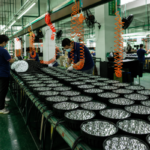
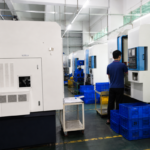
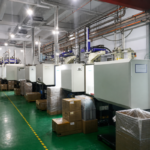
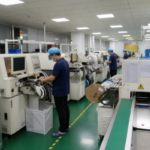
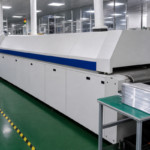
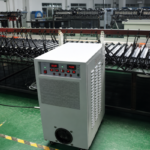
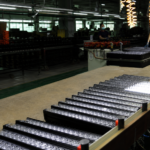
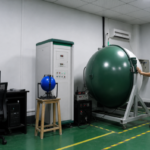
Una visión general orientada al abastecimiento para distribuidores, marcas de etiqueta privada y.
La iluminación automotriz abarca conjuntos de faros específicos para vehículos,.
Faro de auto los proyectos comienzan con el vehículo, el año del modelo,. Barra de luz LED los proyectos comienzan con el espacio de montaje, la cobertura. Iluminación Todo Terreno los proyectos comienzan con la escena.
Estas tres categorías no deben seguir la misma lógica de compra.
Para los compradores B2B que abastecen iluminación automotriz, la primera decisión no es qué producto parece más brillante. Es qué categoría de iluminación coincide con la aplicación del vehículo, las condiciones de instalación, el uso previsto y el mercado de destino. Es qué categoría de producto coincide con la aplicación,.
Las especificaciones de iluminación automotriz deben revisarse en el contexto del producto y la aplicación exactos. El ajuste, la función óptica, la configuración eléctrica, la exposición ambiental, los accesorios incluidos y los documentos de mercado pueden ser más importantes que una sola afirmación de lúmenes, vatios o IP.
Comience con el vehículo exacto y la tarea de iluminación
La primera etapa de la revisión de especificaciones es establecer dónde se utilizará el producto, cómo se instalará y qué función de iluminación debe realizar.
Confirme la configuración, la exposición y los documentos de respaldo
Después de definir la aplicación, los compradores deben revisar cómo se conecta el producto al vehículo, qué condiciones de operación debe soportar y qué información se requiere para la aprobación de mercado o interna.
Desde el abastecimiento inicial hasta la aprobación del producto
Use el mismo orden de revisión para cotizaciones de proveedores, verificación de muestras.
Selección del comprador según el modelo de negocio
La preparación del pedido debe reflejar el modelo de negocio del comprador, la responsabilidad de la aplicación, el canal de ventas, .
Principales áreas de preparación
Principales áreas de preparación
Principales áreas de preparación
Principales áreas de preparación
Principales áreas de preparación
Principales áreas de preparación
Programa de iluminación automotriz OEM
Construya una gama coordinada de iluminación automotriz confirmando la.
La selección final debe revisarse contra la construcción.
La información completa permite revisar el producto, la marca, el embalaje,.
Confirmar las lámparas seleccionadas, la definición izquierda/derecha, los soportes,.
Aprobar la ubicación del logotipo, las etiquetas de advertencia, los manuales, las etiquetas.
Usar la muestra aprobada y los puntos de control registrados como.
La cantidad del pedido y la viabilidad de personalización deben discutirse.
Un programa estructurado de iluminación automotriz OEM o de iluminación vehicular de marca privada debe conectar.
Lista de verificación de revisión del pedido
Una propuesta confiable de iluminación automotriz comienza con información completa del proyecto.
| Área de revisión | Qué debe confirmar el comprador | Por Qué Es Importante |
|---|---|---|
01
Aplicación |
Vehículo, equipo, año o escenario de operación |
Previene la selección incorrecta del producto |
02
Alcance del Producto |
Lámpara, par, kit, ferretería y accesorios |
Mantiene las cotizaciones comercialmente comparables |
03
Instalación |
Posición, espacio disponible y puntos de montaje |
Reduce el riesgo de interferencia y devolución |
04
Requisito óptico |
Función requerida o cobertura de iluminación |
Evita seleccionar solo por afirmaciones de lúmenes |
05
Requisito eléctrico |
Voltaje, corriente, conector y control |
Define los requisitos del arnés y del sistema |
06
Entorno |
Calor, vibración, lodo, agua y limpieza |
Ayuda a definir la revisión de durabilidad |
07
Documentos |
Mercado, uso previsto y archivos solicitados |
Previene afirmaciones de cumplimiento no respaldadas |
08
Embalaje |
Protección, etiquetado y presentación minorista |
Reduce daños y desajuste de canal |
Esta estructura de revisión es adecuada para una Killing Page a nivel de categoría.
Cotización y revisión de proyecto
Las cotizaciones de iluminación automotriz deben revisarse contra el mismo.
Una cotización de solo lámpara no puede compararse directamente con un kit.
Las condiciones de ajuste determinan si se pueden usar soportes y cableado.
La configuración óptica debe coincidir con la tarea de trabajo real y.
La compatibilidad eléctrica debe evaluarse a nivel de sistema, no.
Product markings, labels, instructions, and test references may differ by use case and market. Documentation availability should be confirmed for the exact SKU and destination market.
Branding, packaging protection, printed materials, accessory organization, and barcode structure can affect setup cost, MOQ, production lead time, and packing efficiency. Define the full OEM and packaging scope before quotation.
A reliable comparison should use the same component scope, installation assumptions, technical requirements, documentation, and packaging specification—not unit price alone.
Automotive lighting projects should move from application review to product confirmation, sample approval and order documentation. The exact workflow depends on whether the request concerns vehicle-specific headlights, an individual LED light bar or a complete off-road lighting system.
The review begins by identifying the automotive lighting product category, intended use, destination market, sales channel and required order format. Buyers should confirm whether the request concerns a single lamp, a matched pair, an accessory kit, a complete lighting system or a private-label retail package. This prevents vehicle-specific headlights, auxiliary LED light bars and off-road lighting systems from being evaluated through the same sourcing path.
Yirox reviews the vehicle or equipment information, model year and market version where applicable, mounting position, required lighting task, environmental exposure and electrical requirements. Vehicle-specific replacement lighting requires fitment data, while auxiliary and off-road lighting projects require mounting, coverage and system-load information. Accurate application details reduce unsuitable product recommendations and avoid revisions after quotation.
The selected lamp should be reviewed together with every component needed to install, operate and sell the product. Depending on the project, this may include brackets, wiring harnesses, switches, relays, fuses, connectors, mounting hardware, manuals, labels and packaging. Reviewing the complete configuration helps buyers compare quotations on the same scope instead of comparing lamp prices that include different accessory kits.
The sample should be checked against the confirmed quotation and application requirements. Buyers should review appearance, lamp functions, fitment, beam or lighting coverage, connector position, included accessories, labels, manuals and packaging. For vehicle-specific lighting, installation and functional compatibility are central. For auxiliary lighting, mounting position, beam coverage and electrical integration may be more important.
Before product approval, the buyer and supplier should align the product specification, available test references, requested compliance documents, inspection items and acceptance requirements. These items must be confirmed for the exact SKU and destination market. A document or test reference associated with another model should not be treated as automatic evidence for the selected automotive lighting product.
Before bulk order review, the approved sample and commercial requirements should be converted into a controlled order reference. Confirm the SKU list, bill of materials where applicable, artwork, labels, manuals, packaging specification, QC checklist and shipping requirements. Freezing these items reduces ambiguity between the approved sample, purchase order and final delivery requirements.
Vehicle-specific headlights, auxiliary LED light bars and complete off-road lighting systems require different fitment, accessory, documentation and approval checks. Buyers should confirm the applicable workflow and required deliverables before sample or bulk order approval.
Automotive Lighting Bulk Order Checklist
Bulk automotive lighting orders should be reviewed beyond basic wattage, size, or unit price. Buyers should confirm fitment, function, electrical compatibility, durability conditions, available documents, and packaging scope for the exact product and project before approving production.
Confirm where and how the lamp will be installed before selecting the product or approving the bracket and connector configuration.
Review the intended lighting task and visual function rather than selecting products by headline output claims alone.
Evaluate the full lighting system, including wiring protection and control logic, especially when several lamps operate together.
Revisar la carcasa, el soporte, los sujetadores, el cable y las necesidades de gestión térmica.
Adecuar la revisión de sellado y durabilidad a la vibración esperada,.
El embalaje debe proteger las superficies ópticas, separar los componentes,.
Flujo de trabajo de compra recomendado: confirmar primero la aplicación y los requisitos del sistema, verificar.
Revisión basada en el proyectoDocumentos del proveedor y evidencia B2B
Los documentos de abastecimiento de iluminación automotriz deben solicitarse según la etapa del proyecto, el SKU exacto, el uso previsto, el mercado—no asumirse a partir de una declaración general.
Usar estos archivos para verificar qué se está cotizando, dónde se usa,.
These records help align the sample, artwork, inspection criteria, and any available test or compliance support for the project.
Review the final packing evidence and identify any shipment documents required by the buyer, logistics route, or destination.
These pages provide company, OEM service, and compliance context. Exact product documents should still be verified separately.
Un programa estructurado automotive lighting supplier document review should follow the sourcing process: define the product and BOM before quotation, review packaging and available evidence before sample approval, and confirm packing and shipment records before delivery.
These are the practical differences that affect product quality, lead times, and the ability to build a defensible private-label brand — not marketing claims.
| Criteria | Yirox | Typical Trading Supplier |
|---|---|---|
| Die-cast housing in-house | ✓ In-house — custom colour/form at tooling cost, not MOQ penalty | ✗ Sourced externally — custom tooling adds 4–6 week lead time and minimum spend |
| PCBA design in-house | ✓ Circuit engineered for the housing thermal path and LED array | ✗ Generic off-shelf driver — thermal mismatch shortens driver life |
| E-mark ECE R149 darkroom test | ✓ In-house darkroom, calibrated to ECE R149 — data available per batch | ⚑ Often outsourced — test reports not batch-specific |
| IP69K validation | ✓ In-house test rig (80 °C, 8–10 MPa) — batch-level records | ✗ IP69K frequently claimed without dedicated test equipment |
| OEM trial order MOQ | ✓ From 10 pcs — validates before volume commitment | ✗ Typically 100–500 pcs minimum on custom spec |
| Certification coverage | ✓ E-mark (ECE R149), DOT/SAE, IP69K, CE, RoHS, ECE R10 | ⚑ CE/RoHS common; E-mark R149 less consistent; IP claims unverified |
| Batch traceability | ✓ LED lot, PCBA batch, casting date — all documented per shipment | ✗ Batch records rarely maintained or available |
| Inquiry response | ✓ 1 business day — feasibility, MOQ, indicative pricing | ⚑ 3–7 business days typical |
Automotive Lighting Buyer FAQ
These answers help B2B buyers prepare application details, quotation scope, fitment information, electrical requirements, kit contents, private-label files, sample checks, and compliance requests before approving an automotive lighting order.
Yirox can discuss automotive lighting projects covering replacement lighting, off-road and auxiliary lighting, work-vehicle systems, retail kits, and selected OEM or private-label programs. The practical scope depends on the confirmed product category, application, intended function, order structure, packaging needs, and available supporting information for the requested SKU.
Start by sending the target product category, application, market, expected quantity, and reference photos or specifications.
A useful quotation normally requires more than a product photo or target price. Buyers should provide the vehicle or equipment application, required product type, lamp or kit scope, quantity, destination market, connector or voltage requirements, packaging needs, and any requested documents. This helps keep pricing, feasibility, and included components commercially comparable.
Confirm whether the request is for a lamp, pair, complete kit, or private-label retail package.
Headlight fitment should be reviewed by exact vehicle, model year, facelift generation, left or right side, connector, lighting functions, mounting points, and destination-market version. Visual similarity alone is not enough because housings, plugs, functions, and market specifications may differ between related models or production years.
Send the VIN-related application details where available, plus clear photos of the original lamp, connector, and labels.
LED light bars should be compared on the same product and project basis, including size, beam type, intended lighting task, housing and bracket structure, connector, wiring-kit scope, input requirements, packaging, and available technical information. Comparing only claimed wattage, lumen output, or unit price can hide major differences in configuration and included accessories.
Define the mounting position, beam requirement, operating environment, and complete kit scope before comparing quotations.
A multi-lamp system requires a system-level review rather than separate lamp selection. Buyers should provide the vehicle or equipment type, lamp positions, lighting zones, required functions, system voltage, expected current, control method, circuit grouping, relay and fuse arrangement, cable routing, and environmental exposure. Total electrical load must be considered across the full setup.
Prepare a simple installation diagram showing lamp positions, control zones, and the intended switching logic.
A complete kit can be discussed when the selected lamp, bracket, harness, switch, relay, fuse, hardware, instructions, and packaging requirements are technically compatible and commercially feasible. Kit availability should not be assumed for every product because accessory combinations, connector types, vehicle conditions, and retail-packaging needs vary by project.
List every required component and identify whether the kit is for installation, wholesale distribution, or retail sale.
Yes, selected private-label automotive lighting projects can be discussed after the product mix, branding scope, packaging requirements, quantity, and launch schedule are defined. Possible areas may include labels, logo badges, manuals, hardware bags, retail cartons, barcode labels, master cartons, sample approval, and agreed QC checkpoints. Availability depends on the confirmed SKU and product structure.
Submit the target range, logo files, label content, manual language, packaging reference, and expected quantity first.
Sample approval should verify the exact SKU, appearance, left or right definition, connector, functions, included accessories, brackets, hardware, wiring components, labels, manuals, packaging, and agreed product scope. The approved sample should also be checked against the quotation, BOM, artwork, and packaging specification so later production reviews use one clear reference.
Record approvals in writing and keep photos of the product, labels, accessories, and packing arrangement.
No universal claim should be made across the category. Road-use status, required markings, IP information, test references, installation conditions, and destination-market rules must be reviewed for the exact SKU and intended application. A product designed for off-road, work, auxiliary, or replacement use may have different legal and environmental requirements.
Send the destination market, intended use, installation location, and required document type before product approval.
Buyers may ask whether product specifications, fitment information, wiring details, inspection checklists, sample records, available test references, and available compliance documents can be provided. Document support varies by product and project, so buyers should review the referenced model, scope, issuing or testing party, applicable standard, validity information, and destination-market relevance.
Request the exact document needed for the selected SKU instead of relying only on certification logos or category-level claims.
Tell us your vehicle model, year and the parts you need.
Yirox supports single-piece orders, wholesale, OEM/ODM and custom sourcing for any auto parts.