



Aplicação em Primeiro Lugar
Confirme o veículo, equipamento ou tarefa de iluminação pretendida.
HUB DE FORNECIMENTO DE ILUMINAÇÃO AUTOMOTIVA
A Yirox apoia projetos B2B de iluminação automotiva em Auto específicos por veículo
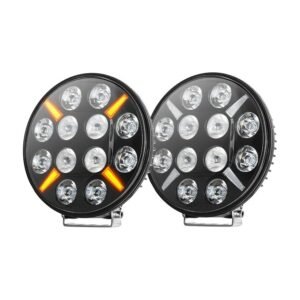
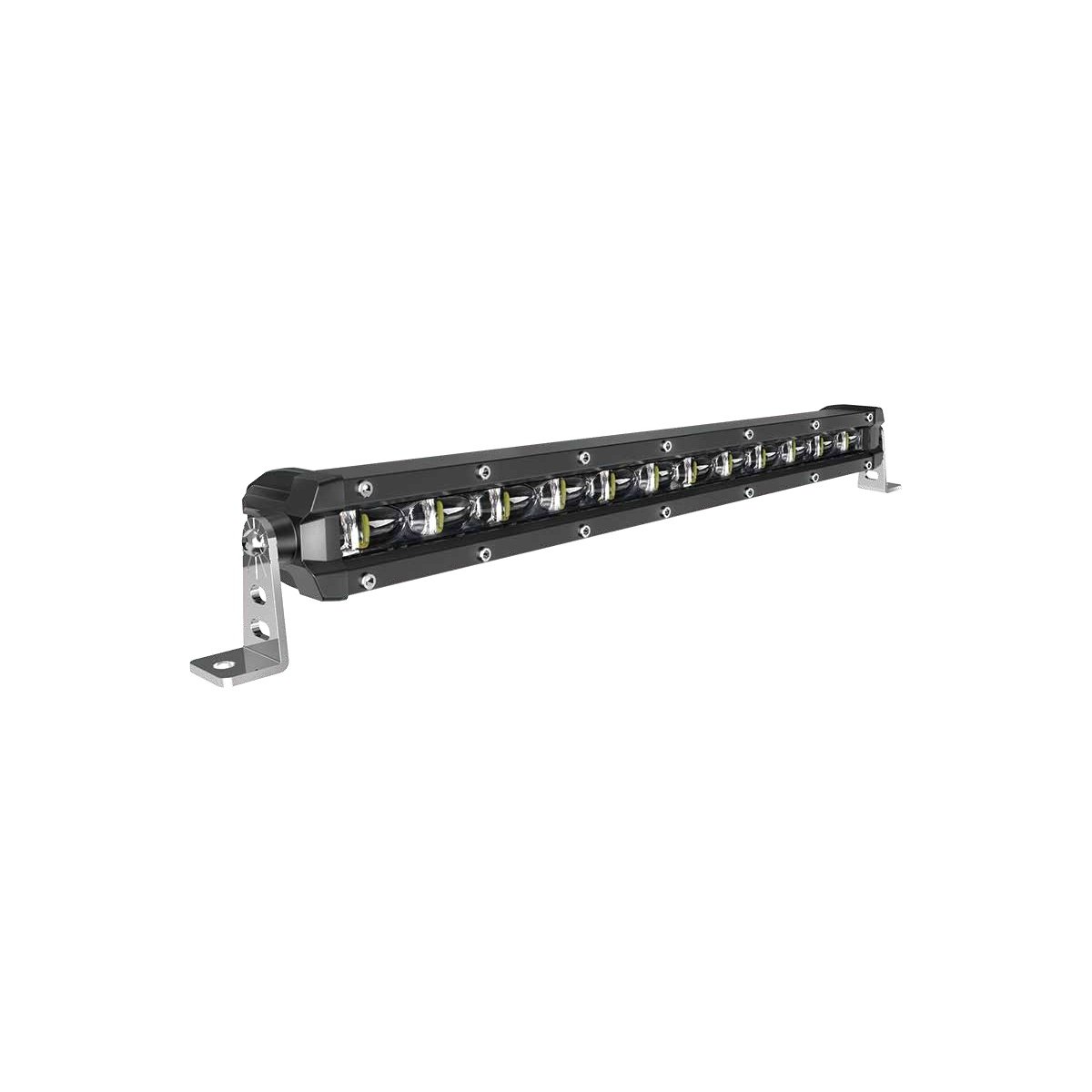
Faróis, Barras de Luz LED e sistemas mais amplos de Iluminação Off-Road. Cada categoria
exige um caminho de cotação diferente: os faróis começam pela aplicação do veículo
e funções da lâmpada, as barras de luz começam pelo espaço de montagem e cobertura do feixe,
enquanto os sistemas off-road começam pelas zonas de iluminação, carga elétrica e ambiente
de operação.
Compartilhe a categoria do produto, aplicação do veículo ou equipamento, mercado
de destino, requisitos de montagem, detalhes elétricos e necessidades de embalagem para que a
faixa de produtos apropriada possa ser analisada antes da cotação.
Confirme o veículo, equipamento ou tarefa de iluminação pretendida.
Analise a cobertura do feixe, o espaço de instalação e os suportes.
Confirme a voltagem, carga, chicote, fusível e necessidades de controle.
Analise as marcações e documentos disponíveis para o SKU exato.
Para projetos de faróis específicos por veículo, comece pelo ano do modelo,.
Informações analisadas antes da correspondência do produto
Projetos de barras de luz LED devem ser selecionados por espaço de montagem,.
Pontos de configuração usados para seleção
Os sistemas de iluminação off-road podem combinar iluminação frontal, lateral, traseira e.
Entradas de planeamento do sistema
Partilhe o veículo ou equipamento, a tarefa de iluminação pretendida, a posição.
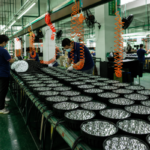
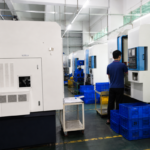
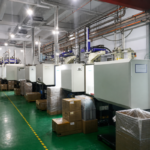
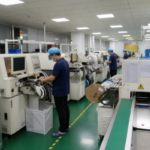
Uma visão geral orientada para a aquisição, destinada a distribuidores, marcas de rótulo privado e.
A iluminação automóvel abrange conjuntos de faróis específicos para veículos,.
Farol Automóvel os projetos começam com o veículo, ano do modelo,. Barra de Luz LED os projetos começam com o espaço de montagem, cobertura. Iluminação Off-Road os projetos começam com a cena.
Estas três categorias não devem seguir a mesma lógica de compra.
Para compradores B2B que adquirem iluminação automóvel, a primeira decisão não é qual produto parece mais brilhante. É qual categoria de iluminação corresponde à aplicação do veículo, condições de instalação, uso pretendido e mercado de destino. É qual categoria de produto corresponde à aplicação,.
As especificações de iluminação automotiva devem ser revisadas no contexto do produto e aplicação exatos. Compatibilidade, função óptica, configuração elétrica, exposição ambiental, acessórios incluídos e documentos de mercado podem ser mais importantes do que uma única alegação de lúmen, potência ou IP.
Comece pelo veículo exato e pela tarefa de iluminação
A primeira etapa da revisão de especificações é estabelecer onde o produto será utilizado, como será instalado e qual função de iluminação deve desempenhar.
Confirme configuração, exposição e documentos de suporte
Após a aplicação ser definida, os compradores devem revisar como o produto se conecta ao veículo, quais condições de operação ele deve suportar e quais informações são necessárias para aprovação de mercado ou interna.
Do fornecimento inicial à aprovação do produto
Use a mesma ordem de revisão para cotações de fornecedores, verificação de amostras.
Seleção do Comprador por Modelo de Negócio
A preparação do pedido deve refletir o modelo de negócio do comprador, responsabilidade de aplicação, canal de vendas, .
Principais áreas de preparação
Principais áreas de preparação
Principais áreas de preparação
Principais áreas de preparação
Principais áreas de preparação
Principais áreas de preparação
Programa de Iluminação Automotiva OEM
Construa uma linha coordenada de iluminação automotiva confirmando o.
A seleção final deve ser revisada em relação à construção.
Informações completas permitem que o produto, a marca, a embalagem,.
Confirmar as lâmpadas selecionadas, definição esquerda/direita, suportes,.
Aprovar a colocação do logotipo, etiquetas de aviso, manuais, etiquetas.
Utilizar a amostra aprovada e os pontos de verificação registados como.
A quantidade do pedido e a viabilidade de personalização devem ser discutidas.
Um programa estruturado iluminação automóvel OEM ou iluminação de veículos de marca própria deve ligar.
Lista de Verificação de Revisão de Pedidos
Uma proposta fiável de iluminação automóvel começa com informações completas.
| Área de Revisão | O Que o Comprador Deve Confirmar | Why It Matters |
|---|---|---|
01
Aplicação |
Veículo, equipamento, ano ou cenário de operação |
Evita a seleção incorreta do produto |
02
Âmbito do Produto |
Lâmpada, par, kit, ferragens e acessórios |
Mantém as cotações comercialmente comparáveis |
03
Instalação |
Posição, espaço disponível e pontos de montagem |
Reduz o risco de interferência e devolução |
04
Requisito Óptico |
Função necessária ou cobertura de iluminação |
Evita selecionar apenas por alegações de lúmens |
05
Requisito Elétrico |
Tensão, corrente, conector e controle |
Define requisitos de chicote e sistema |
06
Ambiente |
Calor, vibração, lama, água e limpeza |
Ajuda a definir a revisão de durabilidade |
07
Documentos |
Mercado, uso pretendido e arquivos solicitados |
Evita alegações de conformidade não suportadas |
08
Embalagem |
Proteção, rotulagem e apresentação no varejo |
Reduz danos e incompatibilidade de canal |
Esta estrutura de revisão é adequada para uma Killing Page em nível de categoria.
Cotação e Revisão de Projeto
As cotações de iluminação automotiva devem ser revisadas com base no mesmo.
Uma cotação apenas de lâmpada não pode ser comparada diretamente com um.
As condições de encaixe determinam se suportes e fiação padrão.
A configuração óptica deve corresponder à tarefa de trabalho real e.
A compatibilidade elétrica deve ser avaliada em nível de sistema, não.
Marcações de produto, etiquetas, instruções e referências de teste podem. A disponibilidade da documentação deve ser confirmada para o SKU.
Branding, proteção da embalagem, materiais impressos, organização.
Uma comparação confiável deve usar o mesmo escopo de componentes,.
Projetos de iluminação automotiva devem avançar da revisão de aplicação para.
A revisão começa identificando a categoria de produto de iluminação automotiva, uso pretendido,.
A Yirox revisa as informações do veículo ou equipamento, ano do modelo e.
A lâmpada selecionada deve ser revisada junto com todos os componentes.
A amostra deve ser verificada em relação à cotação confirmada e.
Antes da aprovação do produto, o comprador e o fornecedor devem alinhar a SKU exato e mercado de destino. Um documento ou.
Antes da revisão do pedido em massa, a amostra aprovada e os requisitos.
Faróis específicos para veículos, barras de luz LED auxiliares e sistemas.
Lista de Verificação para Pedidos em Massa de Iluminação Automotiva
Pedidos em massa de iluminação automotiva devem ser revisados além da encaixe, função, compatibilidade elétrica, condições de durabilidade, para o produto e projeto exatos antes de aprovar a produção.
Confirme onde e como a lâmpada será instalada antes de selecionar.
Revise a tarefa de iluminação pretendida e a função visual em vez de.
Avalie o sistema de iluminação completo, incluindo proteção da fiação e.
Revise a carcaça, suporte, fixadores, cabos e necessidades de gerenciamento térmico em relação à instalação real e ao ambiente operacional.
Corresponda a revisão de vedação e durabilidade à vibração esperada, contaminação, lavagem e exposição climática.
A embalagem deve proteger superfícies ópticas, separar componentes, manter a completude do kit e corresponder ao canal de vendas de destino.
Fluxo de compra recomendado: confirme a aplicação e os requisitos do sistema primeiro, verifique as informações disponíveis do produto e documentos em segundo lugar, e aprove a amostra final, especificação de embalagem e BOM do pedido antes da produção em massa.
Revisão baseada em projetoDocumentos do fornecedor e evidências B2B
Documentos de sourcing de iluminação automotiva devem ser solicitados de acordo com o estágio do projeto, SKU exato, uso pretendido, mercado de destino e escopo comercial—não presumidos a partir de uma declaração geral do fornecedor ou de um grupo de logotipos de certificação.
Use estes arquivos para verificar o que está sendo cotado, onde é usado, como se conecta e quais componentes estão incluídos.
Esses registros ajudam a alinhar a amostra, a arte-final, os critérios de inspeção,.
Revise a evidência final de embalagem e identifique quaisquer documentos.
Essas páginas fornecem contexto sobre a empresa, serviço OEM e conformidade.
Um programa estruturado revisão de documentos de fornecedores de iluminação automotiva deve seguir o processo de sourcing: definir o produto e a BOM antes.
Estas são as diferenças práticas que afetam a qualidade do produto, os prazos de entrega e a capacidade de construir uma marca private-label defensável — não alegações de marketing.
| Critério | Yirox | Fornecedor Comercial Típico |
|---|---|---|
| Carcaça em die-cast produzida internamente | ✓ Internamente — cor/forma personalizada com custo de ferramental, sem penalidade de MOQ | ✗ Adquirida externamente — ferramental personalizado adiciona 4–6 semanas de prazo e gasto mínimo |
| Design de PCBA interno | ✓ Circuito projetado para o caminho térmico da carcaça e o array de LEDs | ✗ Driver genérico de prateleira — incompatibilidade térmica encurta a vida do driver |
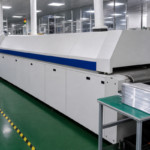
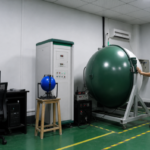
| Teste em câmara escura E-mark ECE R149 | ✓ Câmara escura interna, calibrada para ECE R149 — dados disponíveis por lote | ⚑ Frequentemente terceirizado — relatórios de teste não são específicos por lote |
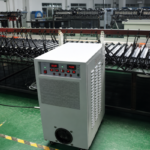
| Validação IP69K | ✓ Bancada de teste interna (80 °C, 8–10 MPa) — registros em nível de lote | ✗ IP69K frequentemente alegado sem equipamento de teste dedicado |
| MOQ de pedido de teste OEM | ✓ A partir de 10 pcs — valida antes do compromisso de volume | ✗ Tipicamente 100–500 pcs mínimo em especificação personalizada |
| Cobertura de certificação | ✓ Marca E (ECE R149), DOT/SAE, IP69K, CE, RoHS, ECE R10 | ⚑ CE/RoHS comum; E-mark R149 menos consistente; alegações de IP não verificadas |
| Rastreabilidade por lote | ✓ Lote de LED, lote de PCBA, data de fundição — tudo documentado por envio | ✗ Registros de lote raramente mantidos ou disponíveis |
| Resposta a consultas | ✓ 1 dia útil — viabilidade, MOQ, preço indicativo | ⚑ 3–7 dias úteis típicos |
Perguntas frequentes do comprador de iluminação automotiva
Estas respostas ajudam compradores B2B a se prepararem detalhes da aplicação, escopo da cotação, informações de compatibilidade, requisitos elétricos, conteúdo do kit, arquivos de marca própria, verificações de amostra e solicitações de conformidade antes de aprovar um pedido de iluminação automotiva.
A Yirox pode discutir projetos de iluminação automotiva abrangendo iluminação de reposição, iluminação off-road e auxiliar, sistemas para veículos de trabalho, kits de varejo e programas selecionados de OEM ou marca própria. O escopo prático depende da categoria de produto confirmada, aplicação, função pretendida, estrutura do pedido, necessidades de embalagem e informações de suporte disponíveis para o SKU solicitado.
Comece enviando a categoria de produto desejada, aplicação, mercado, quantidade esperada e fotos de referência ou especificações.
Uma cotação útil normalmente exige mais do que uma foto do produto ou preço-alvo. Os compradores devem fornecer a aplicação do veículo ou equipamento, tipo de produto necessário, escopo da lâmpada ou kit, quantidade, mercado de destino, requisitos de conector ou voltagem, necessidades de embalagem e quaisquer documentos solicitados. Isso ajuda a manter preços, viabilidade e componentes incluídos comercialmente comparáveis.
Confirme se a solicitação é para uma lâmpada, par, kit completo ou embalagem de varejo de marca própria.
A compatibilidade do farol deve ser revisada por veículo exato, ano do modelo, geração de facelift, lado esquerdo ou direito, conector, funções de iluminação, pontos de montagem e versão do mercado de destino. A semelhança visual por si só não é suficiente porque carcaças, plugues, funções e especificações de mercado podem diferir entre modelos relacionados ou anos de produção.
Envie os detalhes da aplicação relacionados ao VIN quando disponíveis, além de fotos nítidas da lâmpada original, conector e etiquetas.
Barras de luz LED devem ser comparadas com base no mesmo produto e projeto, incluindo tamanho, tipo de feixe, tarefa de iluminação pretendida, estrutura da carcaça e suporte, conector, escopo do kit de fiação, requisitos de entrada, embalagem e informações técnicas disponíveis. Comparar apenas potência declarada, saída de lúmens ou preço unitário pode ocultar diferenças importantes na configuração e acessórios incluídos.
Defina a posição de montagem, requisito de feixe, ambiente operacional e escopo completo do kit antes de comparar cotações.
Um sistema multi-lâmpada exige uma revisão em nível de sistema, em vez de seleção separada de lâmpadas. Os compradores devem fornecer o tipo de veículo ou equipamento, posições das lâmpadas, zonas de iluminação, funções necessárias, voltagem do sistema, corrente esperada, método de controle, agrupamento de circuitos, arranjo de relé e fusível, roteamento de cabos e exposição ambiental. A carga elétrica total deve ser considerada em toda a configuração.
Prepare um diagrama de instalação simples mostrando posições das lâmpadas, zonas de controle e a lógica de comutação pretendida.
Um kit completo pode ser discutido quando a lâmpada selecionada, suporte, chicote, interruptor, relé, fusível, ferragens, instruções e requisitos de embalagem forem tecnicamente compatíveis e comercialmente viáveis. A disponibilidade do kit não deve ser presumida para todos os produtos porque combinações de acessórios, tipos de conectores, condições do veículo e necessidades de embalagem de varejo variam por projeto.
Liste todos os componentes necessários e identifique se o kit é para instalação, distribuição atacadista ou venda no varejo.
Sim, projetos selecionados de iluminação automotiva de marca própria podem ser discutidos após o mix de produtos, escopo de branding, requisitos de embalagem, quantidade e cronograma de lançamento serem definidos. Áreas possíveis podem incluir etiquetas, emblemas de logo, manuais, sacos de ferragens, caixas de varejo, etiquetas de código de barras, caixas master, aprovação de amostra e pontos de verificação de QC acordados. A disponibilidade depende do SKU confirmado e da estrutura do produto.
Envie primeiro a faixa desejada, arquivos de logo, conteúdo da etiqueta, idioma do manual, referência de embalagem e quantidade esperada.
A aprovação da amostra deve verificar o SKU exato, aparência, definição esquerdo ou direito, conector, funções, acessórios incluídos, suportes, ferragens, componentes de fiação, etiquetas, manuais, embalagem e escopo acordado do produto. A amostra aprovada também deve ser verificada em relação à cotação, BOM, arte e especificação de embalagem para que revisões de produção posteriores usem uma referência clara.
Registre as aprovações por escrito e mantenha fotos do produto, etiquetas, acessórios e arranjo de embalagem.
Nenhuma alegação universal deve ser feita para toda a categoria. Status de uso rodoviário, marcações exigidas, informações de IP, referências de teste, condições de instalação e regras do mercado de destino devem ser revisados para o SKU exato e aplicação pretendida. Um produto projetado para uso off-road, trabalho, auxiliar ou reposição pode ter requisitos legais e ambientais diferentes.
Envie o mercado de destino, uso pretendido, local de instalação e tipo de documento necessário antes da aprovação do produto.
Os compradores podem perguntar se especificações do produto, informações de compatibilidade, detalhes de fiação, listas de verificação de inspeção, registros de amostra, referências de teste disponíveis e documentos de conformidade disponíveis podem ser fornecidos. O suporte documental varia por produto e projeto, portanto os compradores devem revisar o modelo referenciado, escopo, parte emissora ou testadora, norma aplicável, informações de validade e relevância para o mercado de destino.
Solicite o documento exato necessário para o SKU selecionado em vez de confiar apenas em logotipos de certificação ou alegações em nível de categoria.
Diga-nos o seu modelo do veículo, ano e as peças que necessita.
A Yirox suporta encomendas de peça única, wholesale, OEM/ODM e sourcing personalizado para qualquer peça auto.