



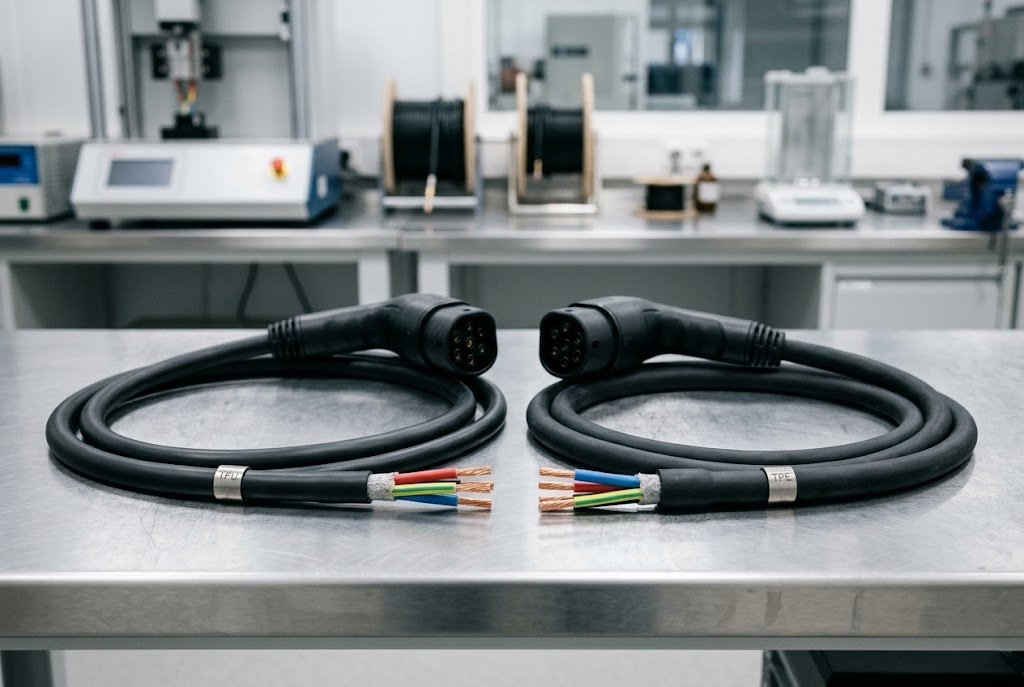
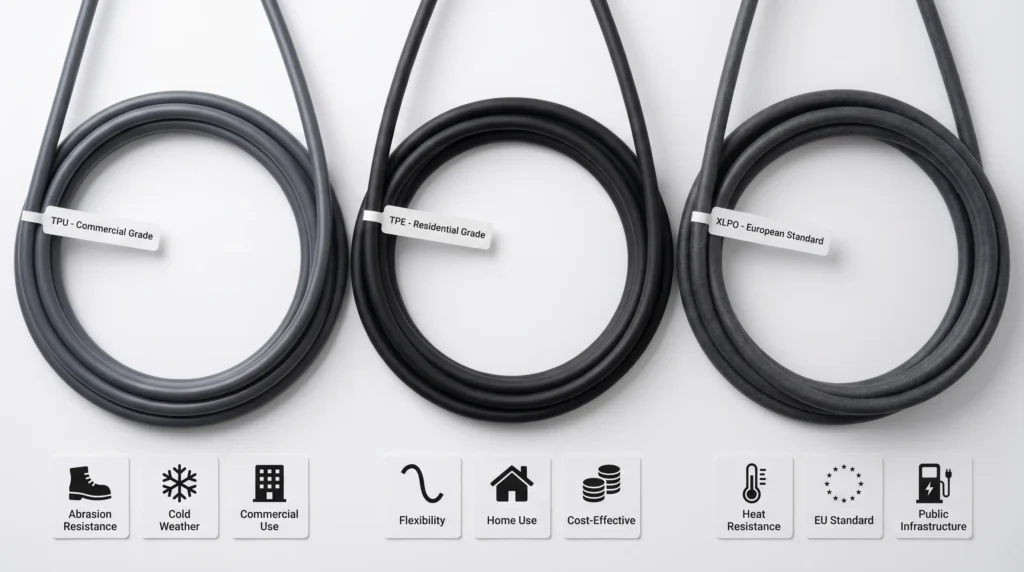
A resposta curta: Se você está comprando cabos de carregamento de VE para frotas comerciais, estações de carregamento públicas ou regiões de clima frio como Escandinávia e Canadá, TPU (Poliuretano Termoplástico) é a escolha superior devido à sua excepcional resistência à abrasão e flexibilidade a baixas temperaturas (-50°C). Se você está visando o mercado residencial de carregamento doméstico, onde custo-benefício e flexibilidade cotidiana são as prioridades, TPE (Elastômero Termoplástico) é uma alternativa altamente capaz e econômica. Para distribuidores B2B, entender essas diferenças de material é fundamental para construir um portfólio de produtos lucrativo e específico para o mercado com Yirox 汽车配件.
O mercado global de cabos de carregamento de veículos elétricos (VE) está passando por um crescimento explosivo, com projeção de saltar de USD 1,3 bilhão em 2023 para USD 3,9 bilhões até 2030, registrando um CAGR de 16,7% [1]. À medida que o mercado amadurece, a conversa entre compradores B2B — distribuidores, operadores de pontos de carregamento (CPOs) e marcas OEM — mudou da compatibilidade básica de conectores para durabilidade de longo prazo e ciência dos materiais.
A capa externa (bainha) de um cabo de carregamento de VE é sua primeira linha de defesa contra os elementos. Ela deve suportar radiação UV, temperaturas congelantes, exposição química e o abuso físico diário de ser arrastada sobre concreto. No cenário atual de fabricação, dois materiais dominam a conversa: TPU e TPE.
Neste guia abrangente, vamos dissecar as diferenças técnicas entre TPU e TPE, apresentar o padrão europeu premium (XLPO) e fornecer uma matriz estratégica de tomada de decisão para ajudá-lo a escolher o material certo para seu mercado-alvo específico.
O Que São TPU e TPE? Uma Visão Geral da Ciência dos Materiais
Antes de mergulhar nas métricas de desempenho, é essencial entender o que esses materiais realmente são. Ambos pertencem à família mais ampla dos elastômeros termoplásticos — materiais que combinam as vantagens de processamento dos plásticos com a flexibilidade da borracha.
TPE (Elastômero Termoplástico): Frequentemente chamado de borracha termoplástica, o TPE é uma mistura física de polímeros (geralmente um plástico e uma borracha). É altamente versátil, fácil de processar e oferece uma sensação tátil macia e suave. O TPE é amplamente utilizado em eletrônicos de consumo, interiores automotivos e cabos de carregamento de VE padrão. É conhecido por ser econômico e altamente reciclável [2].
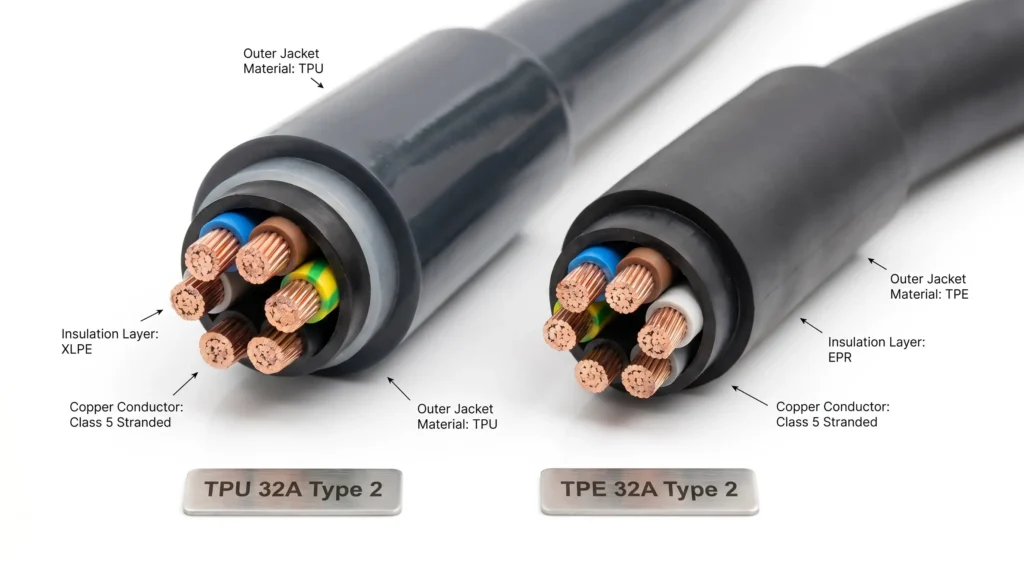
TPU (Poliuretano Termoplástico): O TPU é um subconjunto específico e de alto desempenho da família TPE. É um copolímero em bloco composto por segmentos duros e macios alternados. Essa estrutura molecular única confere ao TPU uma combinação extraordinária de alta elasticidade e tenacidade extrema. Para cabos de carregamento de VE, os fabricantes normalmente usam TPU à base de poliéter, que oferece resistência superior à hidrólise (proteção contra degradação por água) e flexibilidade a baixas temperaturas em comparação com o TPU de poliéster padrão [3].
Confronto de Desempenho Principal: TPU vs. TPE
Ao avaliar cabos de carregamento de VE para compras B2B, você deve olhar além dos folhetos de marketing e examinar os dados técnicos brutos. Veja como TPU e TPE se comparam nas métricas de desempenho mais críticas.
Resistência à Abrasão e ao Rasgo (O Fator Durabilidade)
Esta é a métrica mais importante para cabos usados em ambientes públicos ou comerciais. Quando um cabo é repetidamente arrastado sobre asfalto áspero ou acidentalmente atropelado por um veículo, sua resistência ao rasgo determina se os condutores internos ficam perigosamente expostos.
- TPU: Considerado o padrão do setor para durabilidade. O TPU tem uma resistência ao rasgo de até 80 kN/m e excepcional resistência à abrasão. É altamente resistente a cortes, perfurações e desgaste mecânico [3].
- TPE: Oferece boa resistência à abrasão, suficiente para uso residencial normal, mas sua resistência ao rasgo é significativamente menor (tipicamente em torno de 30 kN/m). Sob uso comercial pesado, uma bainha de TPE se degradará e desfiará muito mais rápido que o TPU.
Flexibilidade a Baixas Temperaturas (O Fator Clima Frio)
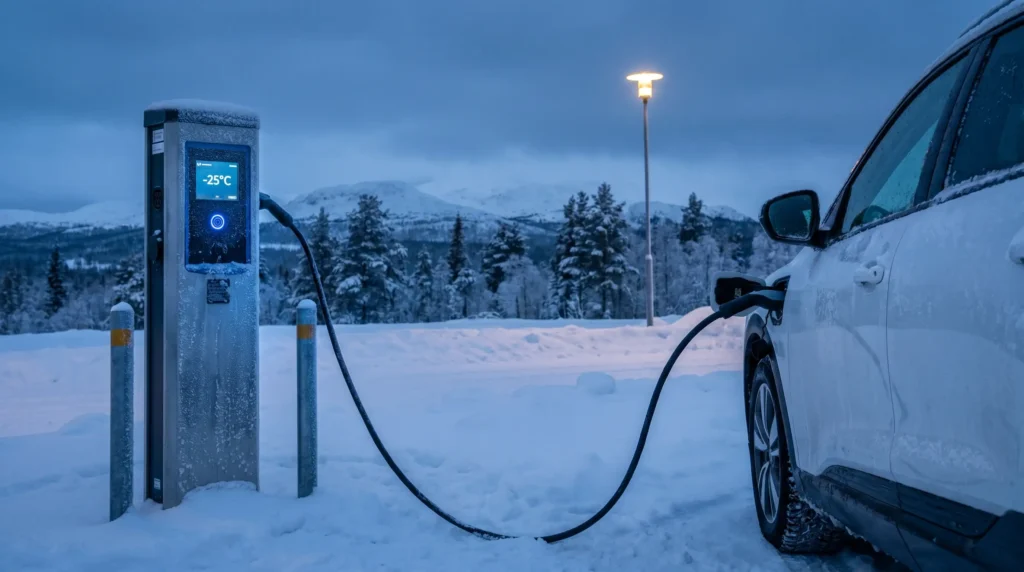
Em climas frios, plásticos inferiores tornam-se rígidos, quebradiços e propensos a rachaduras quando desenrolados.
- TPU: O TPU de poliéter mantém sua flexibilidade e integridade estrutural em temperaturas tão baixas quanto -50 °C, com uma temperatura de fragilidade de -70°C [3]. Isso o torna o campeão indiscutível para os mercados nórdico, canadense e russo.
- TPE: O TPE de alta qualidade tem bom desempenho até -40 °C, o que é adequado para a maioria das regiões temperadas e moderadamente frias, mas parecerá visivelmente mais rígido que o TPU em condições de congelamento extremo.
Resistência Química e a Óleos
Cabos de VE são frequentemente expostos a fluidos automotivos, sais de estrada e produtos químicos de limpeza.
- TPU: Apresenta excelente resistência a óleos, graxas e uma ampla gama de solventes. Não incha nem se degrada quando exposto a produtos químicos automotivos comuns.
- TPE: Tem resistência moderada a óleos. A exposição prolongada a produtos químicos agressivos ou acúmulo de óleos automotivos pode fazer o TPE amolecer ou se degradar com o tempo.
Resistência a UV e Intempéries
Como os cabos de carregamento ficam ao ar livre, a degradação por UV é uma das principais causas de falha prematura, levando à descoloração e microfissuras.
- TPU: Formulado com estabilizadores de UV, o TPU oferece excelente resistência às intempéries a longo prazo. Ele resiste excepcionalmente bem ao envelhecimento superficial e à hidrólise (danos por água), garantindo uma vida útil de 5 a 10 anos mesmo em ambientes de alta incidência solar.
- TPE: Também oferece boa resistência a UV, mas geralmente se degrada mais rápido que o TPU sob exposição solar intensa e prolongada.
A Alternativa Premium: Apresentando o XLPO
Embora o TPU e o TPE dominem a conversa sobre a capa externa, os compradores profissionais B2B também devem estar cientes do XLPO (Poliolefina Retículada).
O XLPO é usado principalmente como a camada de isolamento interna ao redor dos condutores de cobre, mas às vezes é usado como capa externa em aplicações altamente especializadas. O XLPO passa por um processo de reticulação por irradiação que altera fundamentalmente sua estrutura molecular, conferindo-lhe incrível resistência ao calor (até 125°C) e excelentes propriedades de isolamento elétrico [3].
O Padrão Premium Europeu: No mercado europeu de alto padrão, o padrão ouro para cabos de carregamento de VE é uma abordagem híbrida: XLPO para o isolamento do condutor interno + TPU para a capa externa. Esta combinação oferece o equilíbrio definitivo entre segurança elétrica (XLPO) e durabilidade mecânica (TPU). Ao adquirir Cabos de carregamento EV Tipo 2 para Tipo 2 para o mercado da UE, esta é a especificação que você deve exigir.
Tabela Comparativa de Dados Técnicos
Para resumir as diferenças técnicas, aqui está uma matriz de dados comparativa baseada em padrões de testes da indústria [3]:
| Propriedade | Unidade | TPE | TPU Poliéter | XLPO (Isolamento) |
|---|---|---|---|---|
| Resistência à Tração | MPa | 10–20 | 25–50 | 10–20 |
| Alongamento na Ruptura | % | 300–700 | 500–800 | 150–300 |
| Resistência a Baixas Temperaturas | °C | -40 | -50 | -25 |
| Resistência ao Rasgo | kN/m | 30 | 80 | 30 |
| Resistência à Abrasão | — | Bom | Excelente | Excelente |
| Resistência ao Óleo | — | Bom | Excelente | Excelente |
| Custo Relativo | — | $$ | $$$ | $$$$ |
Aquisição Estratégica: Combinando Material com Mercado
Para distribuidores e marcas OEM, a escolha entre TPU e TPE não deve ser baseada apenas em qual material é “melhor” em laboratório. Deve ser uma decisão estratégica de negócios baseada no seu público-alvo, cenário de aplicação e posicionamento de preço.
Cenário A: O Mercado de Frotas Comerciais e Infraestrutura Pública
O Vencedor: TPU
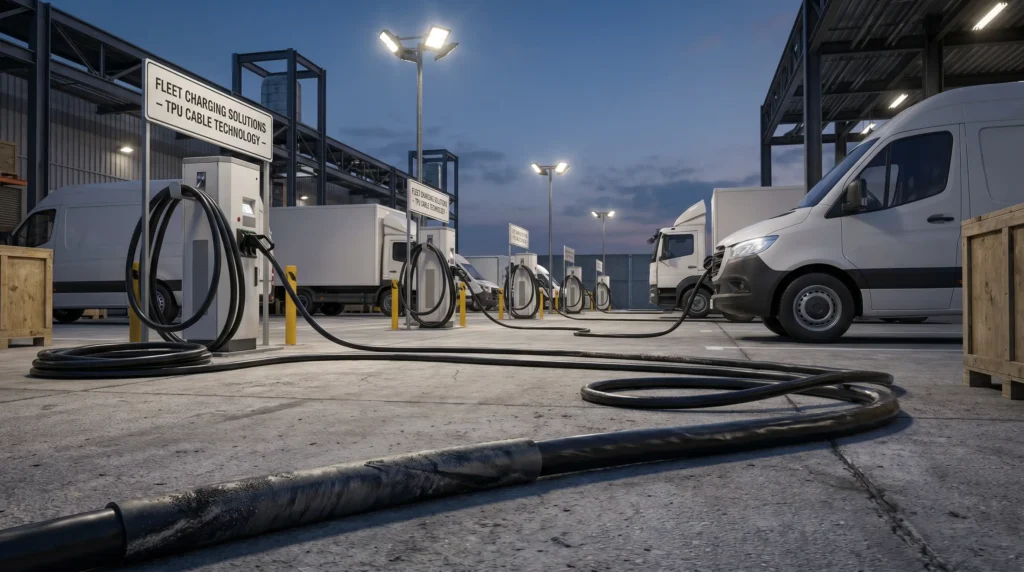
Se você fornece cabos para Operadores de Pontos de Carregamento (CPOs), frotas logísticas, empresas de táxi ou municípios públicos, o TPU é a única escolha lógica.
Nesses ambientes, os cabos são submetidos a uso de alta frequência (frequentemente 10+ sessões de carregamento por dia). Eles são derrubados, arrastados, passados por cima e expostos a condições climáticas severas durante todo o ano. A superior resistência ao rasgo e à abrasão do TPU reduz significativamente a taxa de falha e a frequência de substituição. Embora os cabos de TPU custem aproximadamente 20% a 30% mais na compra inicial do que o TPE, seu custo total de propriedade (TCO) ao longo de um ciclo de vida comercial de 5 anos é vastamente menor.
Cenário B: O Mercado de Carregamento Residencial
O Vencedor: TPE
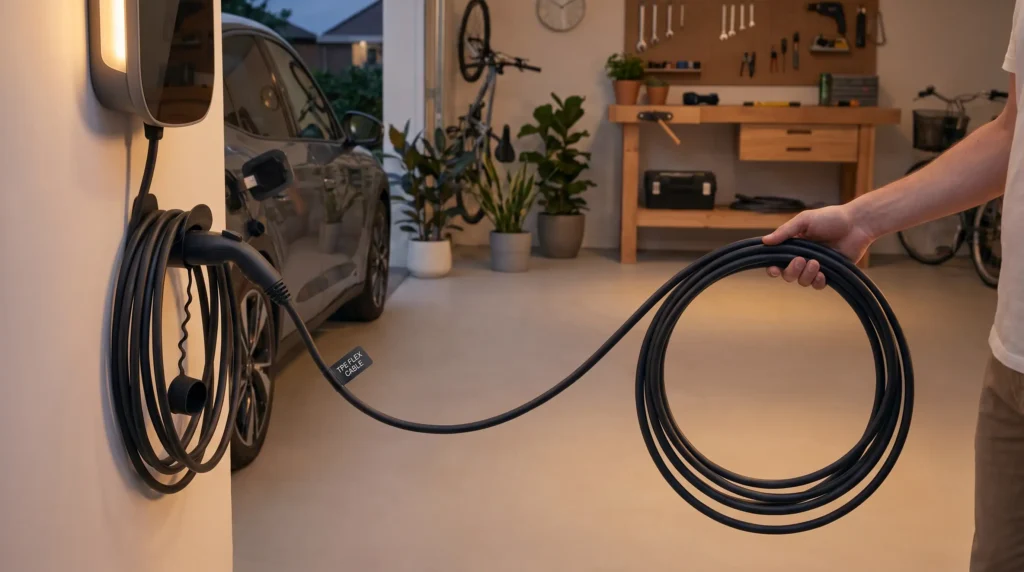
Se seus principais clientes são proprietários individuais de VE comprando um cabo secundário para seu wallbox residencial ou um carregador de VE portátil para manter no porta-malas, o TPE é altamente recomendado.
Usuários residenciais normalmente conectam seus veículos uma vez por dia em um ambiente controlado (uma garagem ou entrada privativa). O cabo raramente é submetido a estresse mecânico severo. O TPE proporciona uma sensação tátil mais macia e premium, é mais fácil de enrolar e é significativamente mais econômico. Para distribuidores de varejo, oferecer um cabo de TPE de alta qualidade permite atingir um ponto de preço atraente para o consumidor enquanto mantém margens de lucro saudáveis.
Cenário C: Mercados de Clima Extremamente Frio (Escandinávia, Canadá, Rússia)
O Vencedor: TPU
Se você está distribuindo para regiões onde as temperaturas de inverno regularmente caem abaixo de -20°C, o TPU é obrigatório. A formulação de TPU Poliéter mantém sua flexibilidade até -50°C. Um cabo de TPE nessas condições se tornará rígido e difícil de manusear, levando a uma má experiência do usuário e potencial microfissuração da capa ao longo do tempo.
O Ângulo da Sustentabilidade: Reciclabilidade e Impacto Ambiental
À medida que a indústria de VE avança em direção a uma economia circular, o impacto ambiental dos acessórios de carregamento está sob crescente escrutínio.
Tanto o TPU quanto o TPE são termoplásticos, o que significa que podem ser derretidos e reformados, tornando-os inerentemente mais recicláveis do que borrachas termofixas (como silicone ou materiais reticulados). No entanto, O TPE geralmente tem uma ligeira vantagem na reciclabilidade no fim da vida útil devido ao seu processo de mistura de polímeros mais simples, exigindo menos energia para reprocessar [2].
Por outro lado, O TPU oferece longevidade superior. Porque um cabo de TPU pode durar vários anos mais do que um cabo de TPE num ambiente adverso, reduz o volume total de bens fabricados e de resíduos eletrónicos. Ao comercializar os seus produtos, pode posicionar o TPE como a opção “ecológica, altamente reciclável” e o TPU como a opção de “longevidade sustentável”.
Como Obter os Cabos Certos com a Yirox Auto Parts
Compreender a ciência dos materiais é apenas metade da batalha; encontrar um parceiro de fabrico capaz de executar estas especificações de forma consistente é a outra metade.
Na Yirox 汽车配件, somos especializados no fabrico OEM e ODM de Acessórios de carregamento de VE adaptados às necessidades específicas dos distribuidores B2B globais. Não acreditamos numa abordagem única para todos. Em vez disso, oferecemos um processo de fabrico consultivo:
- Seleção de Materiais Específica para o Mercado: Quer precise de cabos TPE económicos para o mercado residencial norte-americano ou de cabos híbridos XLPO/TPU premium para infraestruturas públicas europeias, obtemos as matérias-primas exatas necessárias.
- Conformidade Certificada: Todos os nossos materiais de cabos são submetidos a testes rigorosos para cumprir as normas CE, TUV Rheinland e RoHS. Fornecemos documentação completa, incluindo relatórios de testes de resistência de isolamento e impacto a baixa temperatura.
- Branding Personalizado (OEM/ODM): Oferecemos serviços OEM/ODM, abrangentes, permitindo-lhe personalizar a cor da bainha do cabo, imprimir o logótipo da sua marca diretamente nos conectores e conceber embalagens prontas para retalho.
- MOQs Flexíveis: Apoiamos distribuidores em todas as fases de crescimento, oferecendo MOQs escalonados que lhe permitem testar diferentes SKUs de materiais no seu mercado sem um enorme risco de capital inicial.
Conclusão
O debate entre TPU e TPE não é sobre qual material é universalmente “melhor” — é sobre qual material é adequado para o seu modelo de negócio específico e público-alvo.
TPU é o campeão para serviço pesado e clima frio, essencial para infraestruturas comerciais, operações de frotas e climas extremos. Tem um preço premium, mas oferece uma durabilidade incomparável. TPE é o desafiante versátil e económico, perfeito para o mercado residencial onde o toque e a acessibilidade determinam as decisões de compra.
Ao segmentar estrategicamente o seu portfólio de produtos para incluir ambas as opções — comunicando claramente a proposta de valor de cada uma — pode captar uma quota mais ampla do mercado de carregamento de VE.
Pronto para construir um portfólio personalizado de cabos de carregamento de VE específicos por material para a sua marca? Contacte a equipa da Yirox Auto Parts hoje para discutir os seus requisitos técnicos e solicitar amostras de materiais.
Perguntas Frequentes (FAQ)
Qual é a principal diferença entre cabos de carregamento EV de TPU e TPE?
O TPU (Poliuretano Termoplástico) é altamente durável, oferecendo resistência superior à abrasão, resistência ao rasgo e flexibilidade em condições climáticas extremamente frias (-50°C), tornando-o ideal para uso comercial e externo. O TPE (Elastômero Termoplástico) é mais macio, mais flexível à temperatura ambiente e mais econômico, tornando-o ideal para carregamento residencial doméstico.
Qual material é melhor para climas frios como a Escandinávia ou o Canadá?
O TPU é significativamente melhor para climas frios. O TPU à base de poliéter mantém a sua flexibilidade e não se torna quebradiço a temperaturas tão baixas como -50°C. O TPE tem um desempenho adequado até -40°C, mas parecerá visivelmente mais rígido do que o TPU em condições de congelamento.
Os cabos de TPU são mais caros do que os cabos de TPE?
Sim. Devido ao complexo processo de fabricação e às propriedades superiores da matéria-prima, os cabos com revestimento de TPU normalmente custam 20% a 30% mais para fabricar do que os cabos de TPE. No entanto, para aplicações comerciais, o TPU oferece um custo total de propriedade menor devido à sua vida útil mais longa.
O que é XLPO e como se relaciona com TPU e TPE?
XLPO (Poliolefina Reticulada) é um material altamente resistente ao calor, usado principalmente como a camada de isolamento interna que envolve os condutores de cobre dentro do cabo. O padrão premium para cabos de VE europeus é um isolamento interno de XLPO combinado com uma capa externa de TPU.
Os cabos de TPE e TPU podem ser reciclados?
Sim, ambos são termoplásticos, o que significa que podem ser derretidos e reutilizados. O TPE é geralmente considerado um pouco mais fácil e mais eficiente em termos energéticos de reciclar no final de sua vida útil em comparação com o TPU.
Qual material devo escolher para um carregador EV portátil?
Para um carregador EV portátil (frequentemente mantido no porta-malas para emergências ou uso em viagens), o TPE é geralmente a escolha preferida. É mais leve, mais fácil de enrolar firmemente e mais econômico para um produto que tem uso ocasional em vez de uso comercial de alta frequência.
Ambos os materiais atendem aos padrões de certificação CE e TUV?
Sim. Formulações de alta qualidade tanto de TPU quanto de TPE podem passar nos rigorosos testes de segurança elétrica, resistência a UV e mecânicos exigidos para as certificações CE e TUV Rheinland. O ponto crucial é garantir que seu fabricante utilize matérias-primas de qualidade premium em vez de misturas baratas e não certificadas.
Referências
[1] MarketsandMarkets. (2023). Tamanho, Relatório de Crescimento e Previsão do Mercado de Cabos de Carregamento de VE até 2030.
[2] Hexpol TPE. (2024). O que é TPE | Materiais Elastômeros Termoplásticos.
[3] NexwayEV. (2026). Vantagens do Material de Bainha de TPU para Cabos de Carregamento de VE.
[4] QC Solar. (2026). Guia de Compra de Cabos de Carregamento de VE: Materiais de Bainha TPE vs. TPU – Como Escolher?.