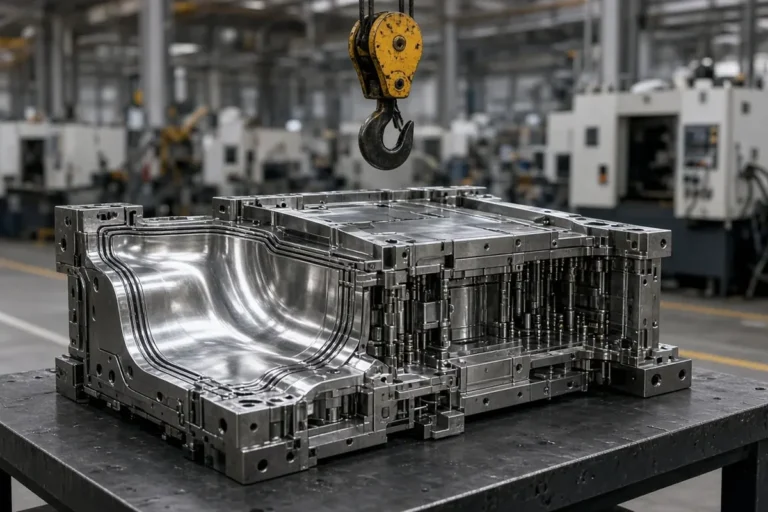





Alloy wheels are cast or forged from aluminum alloy; steel wheels are pressed from sheet steel and welded. In the alloy vs steel wheels choice, alloy is usually lighter, more styled and better at shedding brake heat, while steel is usually cheaper, bends instead of cracking and is easier to repair. Which to stock depends on the season, the vehicle and the sales channel.
Scope: this guide compares the two wheel materials and helps shops and distributors decide what to stock. Wheel offset is explained in What Is Wheel Offset?, and balancing weights for steel rims are covered in pesos de roda para rodas de aço.
What is the difference between alloy and steel wheels?
Rodas de liga leve are wheels cast, flow-formed or forged from aluminum alloy, while steel wheels are pressed and welded from steel sheet. The difference starts with the material and the way each wheel is made, and that drives everything else: weight, strength, cost, looks and repair. The table puts the main points side by side for a typical passenger-car or light-truck wheel of the same size.
| Fator | Rodas de liga leve | Rodas de aço |
|---|---|---|
| Material | Aluminum alloy (magnesium alloy on some specialty wheels) | Carbon steel sheet |
| How it is made | Cast, flow-formed or forged, then machined and coated | Rim and center disc pressed, rolled and welded, then coated |
| Weight (same size) | Usually lighter, but it depends on design | Usually heavier |
| Behavior on a hard impact | Can bend, chip or crack; cast designs are more likely to crack | Usually bends or dents |
| Repair | Cosmetic repair is common; structural repair rules vary | Bent rims can often be straightened |
| Corrosion | Coating protects it; damage under the coating can spread | Rusts where the coating is chipped |
| Estilo | Wide range of spoke designs, finishes and sizes | Plain face; styled with wheel covers or paint |
| Purchase price | Geralmente maior | Geralmente menor |
| Typical use | Most new passenger cars, upgrades, performance and premium trims | Base trims, fleets, vans, trailers, winter and spare sets |
One naming point clears up a lot of confusion. “Alloy” on a wheel almost always means aluminum alloy. Steel itself is technically an alloy of iron and carbon, but in the wheel trade “steel wheel” and “alloy wheel” are the two standard terms. Chrome is a finish, not a material: there are chrome-plated steel wheels and chrome-finished alloy wheels.
How are alloy and steel wheels made?
Alloy wheels are formed from molten or heated aluminum in one main piece, while steel wheels are assembled from pressed steel parts. The process explains a lot about the cost and the strength differences that come later.
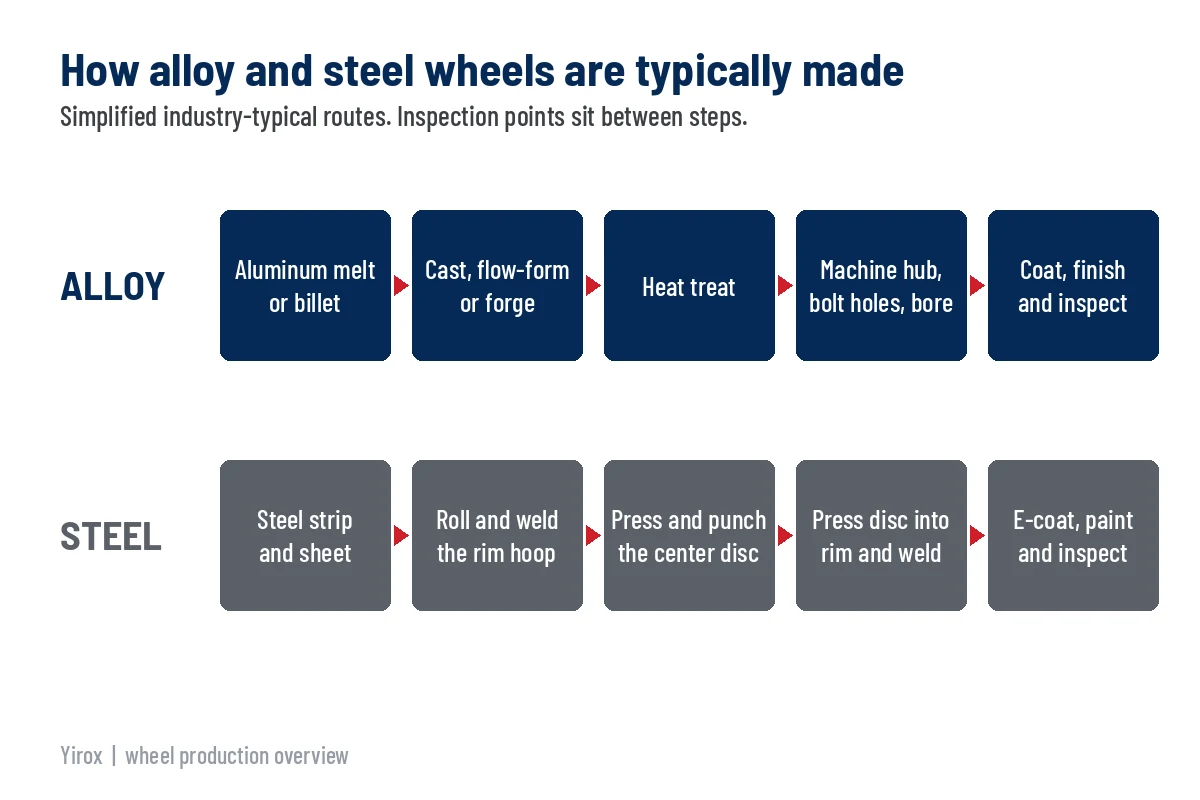
Typical production for alloy wheels involves one of three routes:
- Casting: molten aluminum is poured or pushed into a mold. Low-pressure casting is the common route for volume aftermarket and OEM wheels; gravity casting is simpler and used on some lower-cost designs.
- Flow forming: a cast blank is spun and pressed with rollers to stretch and thin the rim barrel. The barrel ends up denser and thinner than a standard cast barrel.
- Forging: a solid aluminum billet is pressed into shape under very high force, then machined. Forged wheels are usually the lightest and most expensive.
After forming, alloy wheels are heat-treated (on most routes), machined at the hub face, bolt holes and center bore, then painted, powder-coated, machined on the face or otherwise finished.
Typical production for steel wheels involves rolling a strip of steel into a hoop and welding it, then roll-forming it into the rim profile. A separate center disc is pressed from sheet steel, with the bolt holes and center bore punched. The disc is pressed into the rim and welded, then the wheel is coated, often by electrocoating and paint.
These routes explain the trade-offs. Steel wheel tooling turns out large volumes of one plain design at low cost per wheel. Alloy routes allow far more design freedom, but each wheel takes more machining and finishing time, and each new design needs its own mold.
Are alloy wheels lighter, and does it matter?
For the same diameter and width, an alloy wheel is usually lighter than a steel wheel, but not always. A large-diameter, heavily styled cast alloy can weigh as much as or more than a simple steel wheel. Compare the published weight of the actual SKUs, not the material.
Wheel weight matters in two ways. It is unsprung mass, which the suspension has to control over bumps, and it is rotating mass, which the engine or motor has to spin up and the brakes have to slow down. Lighter wheels help ride and response on both counts.
The fuel economy effect is real but small, because wheels are a small share of total vehicle weight. The U.S. Department of Energy states that a 10% reduction in vehicle weight can result in a 6% to 8% fuel economy improvement [1]. Here is a worked, hypothetical example using that ratio:
| Step (hypothetical example) | Valor |
|---|---|
| Vehicle curb weight | 1,500 kg |
| Weight saved per wheel, steel to alloy | 3 kg |
| Total saved, four wheels | 12 kg |
| Share of vehicle weight | 0.8% |
| Estimated fuel economy change, using the DOE 6–8% per 10% ratio | About 0.5% to 0.6% |
How we put this together: the table is our own calculation using the DOE ratio [1]. The vehicle and wheel weights are illustrative, not measured values for any product. Rotating mass can make the real-world effect slightly larger than a static weight calculation suggests, and tire choice usually matters more.
The takeaway for buyers: weight is a good reason to choose alloy for ride and response, but a weak reason on fuel cost alone. For electric vehicles, where efficiency and range are closely watched, the same logic applies, and aerodynamic wheel design also plays a part.
Which is stronger, steel or alloy?
Neither is simply “stronger”; they fail differently. Steel wheels tend to bend and dent on a hard impact, while alloy wheels are stiffer and can crack, especially cast designs. A properly engineered wheel of either material is strong enough for the load it is rated for.
Test standards reflect the difference. UN Regulation No. 124, which covers replacement wheels for passenger cars in the markets that apply it, requires steel disc wheels to pass a rotating bending test and a rolling test, while one-piece aluminum alloy wheels must also pass a corrosion test and an impact test [3]. In the United States, aftermarket wheels are commonly validated to SAE J2530, which sets performance, sampling, test and marking requirements for aftermarket wheels on passenger cars, light trucks and multipurpose vehicles [2].
In daily use, strength shows up as three questions:
- Will it survive a pothole? Both can, if the wheel and tire are rated for the vehicle. Low-profile tires on large alloys give the rim less protection than taller tires on steel wheels.
- What happens when it is damaged? A bent steel rim often still holds air and can be straightened. A cracked alloy wheel should be taken out of service.
- Can it carry the load? This depends on the wheel’s load rating, not on the material. Always check the rating against the vehicle’s axle load.
Which costs more over the life of the wheel?
Alloy wheels usually cost more to buy, and steel wheels usually cost less to own in harsh conditions. The full picture includes the extra parts and services each wheel needs, which is where buyers often get caught.
| Linha de custo | Rodas de liga leve | Rodas de aço |
|---|---|---|
| Wheel purchase | Higher per wheel | Lower per wheel |
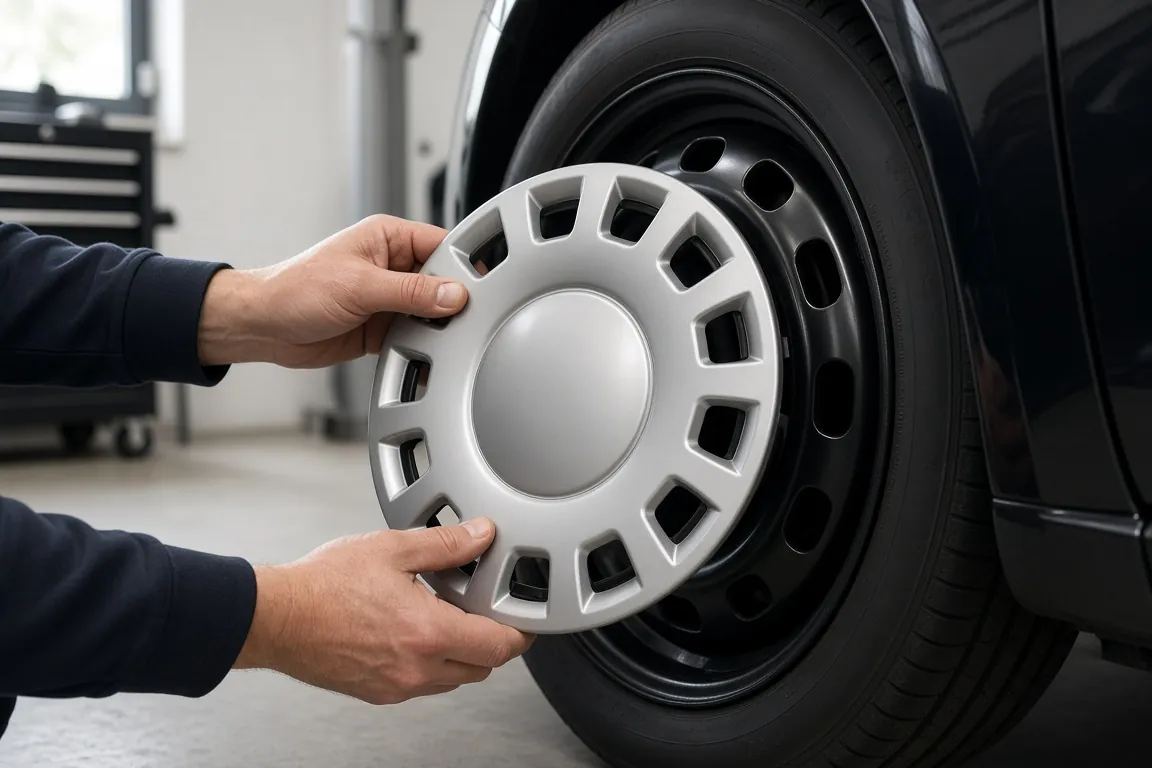
| Styling parts | Center caps | Wheel covers, if a styled look is wanted |
| Balancing weights | Mostly adhesive weights on the inner barrel | Mostly clip-on weights on the rim flange |
| Lug nuts or bolts | May need a different seat type or length | Often the vehicle’s original nuts |
| Damage | Refinishing or replacement after curb rash or cracks | Straightening, repainting or low-cost replacement |
| Corrosion over time | Coating damage needs attention | Rust on chips; repaint or replace |
For a retail customer, the deciding cost is usually the purchase price. For a fleet or a winter-tire program, replacement and repair cost often decide it, which is why steel wheels stay common there. Balancing weights are a small line, but the type changes with the wheel, as our guides to clip-on weights for steel wheels e stick-on weights for alloy wheels explain.
Which is better for winter, off-road and towing?
Steel is the common choice for dedicated winter sets and for rough work, alloy is the common choice for year-round use and upgrades, and for towing the load rating matters more than the material. The table summarizes the usual reasoning.
| Usar | Usual choice | Por quê | Exception |
|---|---|---|---|
| Dedicated winter set | Aço | Low cost, and salt or curb damage hurts less | Winter-rated alloys with durable coatings suit buyers who want looks |
| All-season daily use | Alloy | Lighter, styled, matches most factory fitments | Base trims and fleets often stay on steel |
| Off-road and overland | Either | Steel can be straightened on the trail; alloy saves weight | Rocky terrain buyers often carry a steel spare |
| Towing and heavy loads | Either, by rating | Load rating decides; both materials come in high ratings | Check the rating against the axle load on every SKU |
| Fleets and vans | Aço | Low replacement cost, easy to stock | Customer-facing fleets may choose alloy for image |
| Spare wheel | Aço | Low cost; rarely seen | Spares must still match bolt pattern, center bore and load |
In winter, the real issue is road salt and slush. Steel wheels rust where the coating chips, but they are cheap enough to repaint or replace. Alloy wheels do not rust like steel, but salt can attack the metal under chipped or damaged coating, so coating quality and regular washing matter.
Two steel styles sell beyond the basic winter set. Black steel wheels with a durable powder or e-coat finish give a plain, rugged look that pairs with black trim and wheel covers, and they hide brake dust well. Off-road steel wheels, usually in 15 to 17 inch truck and SUV fitments, appeal to buyers who value a wheel that can be hammered back into shape on the trail; check the load rating and offset for lifted vehicles with larger tires.
Do alloy wheels improve handling and braking?
Lighter alloy wheels can improve steering response and ride a little, and aluminum conducts heat better than steel, which helps carry brake heat away. On most daily-driven cars, though, the difference is small compared with the effect of tires.
Two other factors are often confused with the material. Larger alloy wheels usually come with lower-profile tires, which sharpen steering but make the ride firmer and the rim easier to damage. And open spoke designs leave more space for larger brake calipers, which is a design benefit, not a material one.
For a buyer stocking wheels, the honest summary is that alloy offers a modest performance gain plus a large styling gain, while steel offers durability and low cost. Neither material makes an unsuitable tire or a poor fitment work.
What changes when you switch from steel to alloy?
Switching material usually changes more than the wheel. Treat a steel-to-alloy swap, or the reverse, as a fitment job, and check each item below before the customer drives away.

- Lug nuts or bolts: alloy and steel wheels can use different seat shapes (conical, ball or flat) and different stud engagement lengths. Use the fasteners specified for the new wheel.
- Center bore and hub rings: aftermarket alloys often have a larger center bore than the hub and need a hub-centric ring. Steel wheels for the vehicle usually fit the hub directly.
- Offset and width: a new wheel may sit further in or out. Check clearance using the offset method in What Is Wheel Offset?
- Brake clearance: some steel wheels for small cars do not clear larger brake calipers, and some alloy spoke designs sit close to calipers.
- Tire pressure sensors: FMVSS No. 138 requires a tire pressure monitoring system on passenger cars, multipurpose vehicles, trucks and buses with a gross vehicle weight rating of 4,536 kg (10,000 lb) or less, apart from vehicles with dual wheels on an axle [4]. A second wheel set needs its own compatible sensors or a sensor transfer.
- Balancing weights: clip-on weights for steel rim flanges and adhesive weights for alloy barrels are different products; see the de pesos de balanceamento de roda.
- Styling parts: steel wheels may need wheel covers; alloys need the right wheel center caps.
Which should a shop or distributor stock?
Stock steel wheels where buyers want low cost and durability, and alloy wheels where buyers want looks and an upgrade. Most wheel businesses carry both, weighted by their channel and climate.
| Canal | Lead with | Typical add-ons | Nota de estocagem |
|---|---|---|---|
| Tire shop with winter packages | Steel, plus a few winter-rated alloys | Wheel covers, clip-on weights, TPMS sensors | Stock by bolt pattern and center bore families to cover many models with few SKUs |
| Accessory or tuning retailer | Alloy | Center caps, lug nuts, hub rings, adhesive weights | Fewer designs in more finishes often sells better than many designs |
| Fleet and van supplier | Aço | Wheel covers or bolt-on covers, clip-on weights | Match load rating to the van’s axle load |
| Off-road and 4×4 store | Both | Bolt-on center caps, heavy-duty lug nuts | Offer steel spares alongside alloy sets |
| Online marketplace seller | Alloy | Fitment guide, center caps, hub rings | Clear spec sheets reduce returns more than extra photos |
A practical check before adding a SKU: can you state its size, bolt pattern, center bore, offset, load rating and weight on one line? If the supplier cannot give all six, the listing will produce fitment questions and returns. Our rodas de liga leve range is a starting point for the alloy side of that list.
Quais são os riscos e exceções?
The biggest risks come from assuming a material guarantees a property. Weight, strength and cost all depend on the specific wheel, and market rules differ.
- Heavy alloys: some large or heavily styled cast alloys are not lighter than steel. Always compare published weights.
- Cracked alloys: whether structural repair of a cracked alloy wheel is acceptable depends on the wheel maker and local rules; many shops will not repair cracks.
- Replica and replacement wheels: in markets that apply UN Regulation No. 124, replica and pattern-part replacement wheels must pass the tests listed for their material [3]. Check approval requirements in each destination market before you import.
- Load and fitment: a wheel’s load rating, bolt pattern, center bore, offset and seat type must all match. Material does not change these rules.
- Magnesium wheels: some specialty “alloy” wheels are magnesium, which has different corrosion and care needs from aluminum.
- Coatings: both materials depend on their coating. Chips from tire tools, curb contact and wheel weights left on too long are the usual starting points for corrosion.
What should a wheel RFQ specify?
A wheel RFQ should state the fitment data, the construction and the finish, so the supplier quotes the same wheel you will receive. Missing data is the main cause of samples that fail fit checks.
- Target vehicles or hub data: bolt pattern, center bore, stud size and seat type.
- Wheel size: diameter, width and offset, plus any backspacing limits.
- Construction: steel, cast alloy, flow-formed or forged.
- Load rating required per wheel and the target market’s approval or marking needs, such as SAE J2530 testing in the United States or UN R124 approval where it applies [2][3].
- Finish and color, with a physical sample or a color reference.
- TPMS compatibility and valve hole type.
- Accessories: center caps or covers, lug nuts, hub rings and balancing weights.
- Packaging and labeling: face protectors, carton strength, barcodes.
- Quantities by SKU and the planned reorder pattern.
Conclusão
Alloy and steel wheels solve different problems. Alloy wheels are usually lighter, more varied in design and better at moving brake heat, which makes them the default for most new cars and upgrades. Steel wheels cost less, bend rather than crack and are easy to repair or replace, which keeps them in winter programs, fleets, vans and spares.
The material is only the starting point. Weight, strength and fit depend on the specific wheel, so the right decision comes from the spec sheet: size, bolt pattern, center bore, offset, load rating and weight. A shop or distributor that stocks by channel and climate, and checks every switch as a fitment job, gets the benefits of both materials without the returns.
Próximo passo
List your top-selling vehicles and their hub data, then decide which ones need steel winter or fleet wheels and which need alloy upgrades. That list becomes your first stocking plan.
Yirox makes both alloy and steel wheels, along with the steel-wheel accessories covered here, such as wheel covers and clip-on balancing weights, so a mixed alloy and steel winter-wheel program can be quoted as one project. Send your vehicle list and hub data through our Veja soluções de sourcing. page, or see the rodas e acessórios de pneus range.
Perguntas frequentes
As rodas de liga leve são melhores do que as rodas de aço?
Não em todos os casos. As rodas de liga leve são geralmente mais leves e mais estilizadas, enquanto as rodas de aço são mais baratas, dobram em vez de rachar e são mais fáceis de reparar, então a melhor escolha depende do uso e do orçamento.
As rodas de aço são mais pesadas do que as rodas de liga leve?
Normalmente, para o mesmo tamanho. Algumas ligas fundidas grandes ou com estilo pesado pesam tanto quanto o aço, então compare o peso publicado de cada roda.
As rodas de liga leve melhoram a economia de combustível?
Ligeiramente. O DOE afirma que uma redução de 10% no peso do veículo pode melhorar a economia de combustível em 6% a 8%, e rodas mais leves representam apenas uma pequena parte do peso do veículo, então o ganho geralmente é bem inferior a 1%.
As rodas de aço são melhores para o inverno?
Eles são a escolha comum para conjuntos dedicados de inverno porque são baratos e os custos de danos por sal ou guias são menores. Ligas com classificação para inverno com um revestimento durável também funcionam bem.
Posso colocar rodas de liga leve em um carro que veio com rodas de aço?
Normalmente, se o padrão de parafusos, o furo central, o offset, a capacidade de carga e a folga do freio coincidirem. Você também pode precisar de porcas de roda, anéis de cubo e sensores de TPMS diferentes.
Quais são as desvantagens das rodas de aço?
Os aros de aço são mais pesados, enferrujam onde o revestimento lasca e oferecem poucas opções de estilo, por isso muitos proprietários adicionam calotas. Eles também custam menos e são fáceis de endireitar, razão pela qual frotas e conjuntos de inverno os mantêm.
Quais são as desvantagens das rodas de liga leve?
As rodas de liga leve geralmente custam mais, podem rachar em um impacto severo e custam mais para reparar ou repintar. Danos por atrito em guias e danos no revestimento são problemas estéticos comuns.
Aluminum vs steel wheels: which is better?
“Aluminum vs steel wheels” is the same comparison as alloy vs steel, since alloy wheels are aluminum alloy. Aluminum suits weight and styling; steel suits low cost, winter sets and rough use.
Do alloy wheels crack more easily than steel?
Alloy wheels are more likely to crack on a severe impact, especially cast designs, while steel wheels tend to bend. A cracked wheel should be taken out of service.
Referências
[1] U.S. Department of Energy, Vehicle Technologies Office. “Lightweight Materials for Cars and Trucks.” Weight reduction and fuel economy.
[2] SAE International. “SAE J2530 (December 2024): Aftermarket Wheels, Passenger Cars and Light Truck, Performance Requirements and Test Procedures.” Recommended practice, scope.
[3] UNECE, published in the Official Journal of the EU. “Regulation No 124: Uniform provisions concerning the approval of wheels for passenger cars and their trailers.” Paragraph 6.5, tests for steel and light alloy replacement wheels.
[4] U.S. eCFR. “49 CFR 571.138, Standard No. 138: Tire pressure monitoring systems.” Section S2, application.