




As cotações de pesos de roda devem ser normalizadas em relação a um produto e um briefing comercial antes de os seus preços serem comparados. Os compradores devem alinhar os campos de fixação, material, incrementos, embalagem, evidência, MOQ e entrega; classificar cada omissão ou alternativa; e pontuar o risco da cotação não resolvida separadamente da capacidade geral do fornecedor ou do custo landed.
Depois de os fornecedores responderem, é tentador ordenar as cotações por preço e percorrer a lista. Essa abordagem é rápida, mas pode transformar uma declaração de material em falta, um perfil de clipe diferente ou uma caixa sem preço numa exceção invisível. Um método melhor é fazer com que cada fornecedor responda à mesma lista de requisitos, registar o que é diferente ou está em falta e depois decidir se essa diferença é aceitável para o mercado a que se destina.
Índice
- Como é uma cotação comparável de pesos de roda?
- Como normaliza as cotações antes de as comparar?
- Como compara o âmbito do produto em cada cotação?
- Que evidências devem os compradores verificar antes de escolher um fornecedor?
- Como devem ser comparados o MOQ, a entrega e os termos comerciais?
- Que omissões e exceções devem alterar a decisão?
- Como devem os compradores pontuar o risco da cotação?
- Conclusão: selecionar a cotação que corresponde ao requisito
- Perguntas Frequentes
- Referências
Como é uma cotação comparável de pesos de roda?
Uma cotação comparável responde às mesmas perguntas de produto, quantidade, embalagem, evidência, entrega e comerciais que as outras ofertas. Não precisa de usar formatação idêntica, mas deve deixar claro o que está incluído, o que é opcional, o que é assumido e o que difere do âmbito solicitado pelo comprador.
Antes de pontuar qualquer resposta, verifique se o seu requisito subjacente é estável. O decisões de seleção que já devem estar resolvidas antes de uma cotação ser pontuada ajudam o comprador a definir aplicações, formatos de fixação, materiais, incrementos e famílias de produtos antes de começar uma comparação numérica. Uma cotação não pode ser tornada comparável se o comprador ainda não tiver a certeza se o mercado precisa de um perfil clip-on, fita adesiva, aço, zinco ou uma gama mista.
O princípio básico é simples: comparar o semelhante com o semelhante, rotular cada item não semelhante e não transformar um campo sem resposta numa inclusão assumida. Uma linha em branco é comercialmente significativa. Pode significar que o fornecedor não compreendeu o pedido, não oferece esse âmbito, espera cobrar mais tarde ou precisa de esclarecimento. Nenhuma dessas possibilidades deve tornar-se silenciosamente em “sim”.”
Use uma folha de comparação principal com o requisito do comprador na primeira coluna e uma coluna separada para cada fornecedor. A folha pode ser uma folha de cálculo, um sistema de compras ou um documento controlado. A disciplina importa mais do que o software.
| Área de comparação | Requisito do comprador | Resposta do fornecedor a registar | Regra de decisão |
|---|---|---|---|
| Identidade do produto | Fixação, material, acabamento, perfil ou construção da tira, incrementos | Peça exata cotada, peça alternativa ou sem resposta | Marcar “diferente” em vez de aceitar silenciosamente um substituto |
| Quantidade e unidade | Quantidades de SKU necessárias e unidade de preço | MOQ, unidade, regra de mistura e conversão de embalagem | Normalizar para a mesma unidade utilizável e quantidade de encomenda |
| Embalagem | Contagem interna e externa, etiquetas, caixas, paletes | Embalagem incluída, embalagem opcional ou padrão do fornecedor | Verificar se a receção e a revenda podem funcionar conforme cotado |
| Evidência | Amostras, desenhos, testes, documentos, inspeção e controlo de alterações | Incluído, opcional, indisponível ou sem resposta | Não pontuar evidência em falta como igual à evidência fornecida |
| Entrega e termos | Moeda, termo de entrega nomeado e local, prazo de entrega, pedido de pagamento | Termo real, local, inclusões de custos, validade e exceções | Mostrar os custos e responsabilidades restantes do comprador separadamente |
| Risco e serviço | Tratamento de reclamações, processo de reencomenda, propriedade de materiais personalizados | Processo escrito, contacto nomeado ou pressuposto | Tratar responsabilidade pouco clara como risco de decisão, não como item neutro |
Como normaliza as cotações antes de as comparar?
Normalizar as cotações convertendo-as na mesma definição de produto, base unitária, quantidade, plano de embalagem, termo de entrega e âmbito de evidência. Só então o comprador pode dizer se uma diferença de preço é uma vantagem comercial genuína ou simplesmente uma oferta diferente.
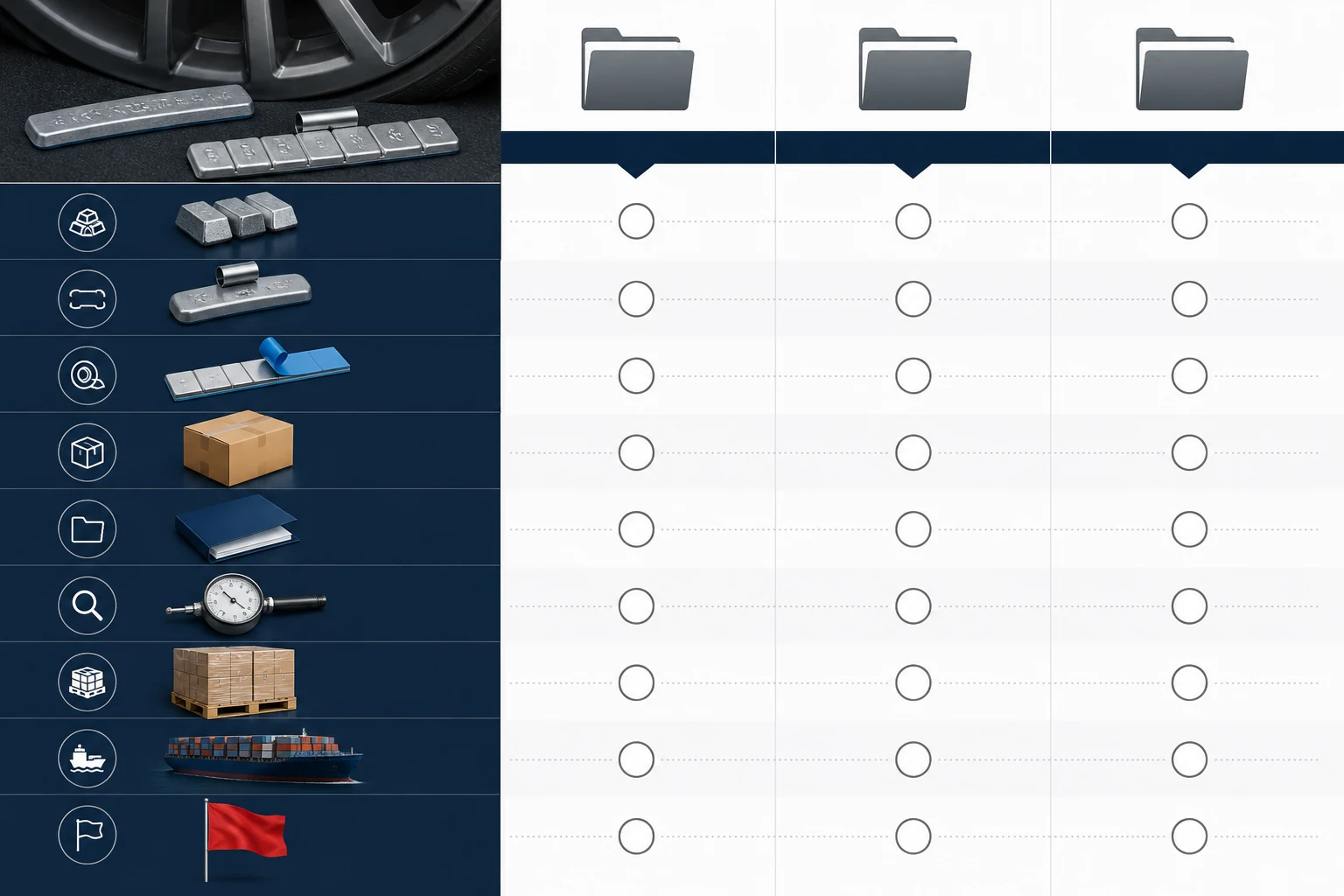
Comece com as quantidades que o negócio vai realmente encomendar, não com a quantidade que dá a um fornecedor o seu melhor preço teórico. Se o pedido for para uma assortimento de lançamento, registe tanto o requisito por SKU como o total; se for uma encomenda de reposição, registe o padrão normal de caixa e palete. Depois traduza cada preço para a mesma unidade acordada, como preço por peça identificada, por tira definida ou por caixa especificada, mantendo a unidade original do fornecedor numa coluna de notas.
As diferenças de unidade e incremento são fáceis de perder. Uma tira pode conter um número diferente de segmentos destacáveis; uma caixa mista pode omitir valores comuns no mercado de serviço do comprador; um preço por quilograma pode não refletir o mesmo número de peças utilizáveis. O referência de unidade de peso e incremento para verificar a cobertura da cotação ajuda os compradores a verificar se a cobertura em gramas ou onças e a lógica de segmentos estão alinhadas antes de o preço ser normalizado.
Faça o mesmo com os termos de entrega. A Câmara de Comércio Internacional explica que as regras Incoterms atribuem tarefas, custos e riscos entre as partes em pontos especificados. Uma cotação deve, portanto, indicar tanto o Incoterm como o local nomeado, em vez de usar expressões como “entregue” ou “envio incluído” sem um limite.1
Normalize estes itens primeiro:
- Produto e SKU: fixação, material, acabamento, perfil ou construção da tira e conjunto de incrementos.
- Unidade comercial: peça, segmento, tira, rolo, embalagem interna, caixa, quilograma ou assortimento misto.
- Quantidade: quantidade por SKU, mistura permitida, base de MOQ, contagem de caixas e quantidade total do pedido.
- Embalagem: embalagem interna, caixa, campos de etiqueta, padrão de palete e quaisquer componentes de marca.
- Âmbito de qualidade: amostras, desenhos, inspeção, declarações de material ou conformidade e base de ensaio.
- Âmbito de entrega: moeda, condição de pagamento, validade da cotação, Incoterm e local designado, prazo de entrega e custos excluídos.
Se um fornecedor propuser uma alternativa tecnicamente válida, mantenha-a na folha como coluna de alternativa ou linha separada. Pode tornar-se a melhor solução, mas não deve ser confundida com o SKU originalmente solicitado.
Catálogos diretos de pesos de roda demonstram por que uma cotação precisa de identidade precisa do item. O catálogo da Perfect Equipment utiliza referências de produto, seleções de gramagem, distinções de material e família de produto em vez de uma linha genérica de "peso de roda".5 Um comprador não precisa de copiar essa estrutura de catálogo, mas cada linha cotada deve ser identificável a um nível comparável antes de os preços numéricos serem colocados lado a lado.
Como compara o âmbito do produto em cada cotação?
Compare o âmbito do produto verificando se cada fornecedor está a oferecer o mesmo acessório, material, perfil ou geometria de fita, cobertura de incrementos, acabamento e aplicação pretendida. O título da cotação não é suficiente; um “peso de roda” pode descrever produtos com ajuste e comportamento de serviço muito diferentes.
Para ofertas de encaixe por mola, confirme o perfil ou família de jante pretendida, corpo do peso, configuração do clipe quando relevante, material, acabamento, intervalo de valores e configuração da embalagem. Um clipe com aspeto diferente ou uma declaração genérica de “universal” deve desencadear uma pergunta sobre amostra ou desenho, não uma substituição automática. Para ofertas adesivas, verifique dimensões da fita, padrão de segmentos, material do peso, revestimento, fita adesiva, película protetora, condições esperadas de armazenamento ou aplicação e formato da embalagem.
Quando a oferta mistura famílias de fixação, utilize a decisão de fixação que impede que ofertas de encaixe por mola e adesivas sejam misturadas para separar as questões da aba da jante e da superfície da roda. Um comprador pode decidir comprar ambos os tipos, mas cada um necessita da sua própria comparação de ajuste e comercial em vez de um preço unitário combinado.
A linguagem do material exige o mesmo cuidado. Um programa sem chumbo deve identificar o material cotado, qualquer declaração relevante, o SKU específico ao qual se aplica e se está incluído no preço indicado. As verificações de material e declaração para um programa de fornecimento sem chumbo ajudam os compradores a fazer as perguntas certas antes de tratarem uma opção de material não especificada como equivalente ao intervalo solicitado.
| Verificação do âmbito | O que procurar | O que fazer quando as respostas diferem |
|---|---|---|
| Fixação | Mesmo perfil de clipe ou construção de fita adesiva para a aplicação pretendida | Solicitar uma alternativa identificada, amostra física ou desenho antes de a pontuar como igual |
| Material e acabamento | Material exato, revestimento ou galvanoplastia e configuração declarada | Manter uma linha separada para um metal ou acabamento diferente, mesmo que o preço seja mais baixo |
| Cobertura de incrementos | Valores solicitados, unidades, segmentos e proporção de sortimento | Calcular se o intervalo cotado suporta o trabalho de serviço pretendido |
| Detalhe da fita ou do clipe | Fita e película protetora nomeadas para adesivo; detalhe de perfil e retenção para encaixe por mola | Perguntar se o componente proposto é padrão, substituído ou correspondido por amostra |
| Embalagem | Conteúdo real e etiquetas ao nível interno, de caixa e de palete | Normalizar para a mesma embalagem utilizável e anotar o trabalho de reembalagem |
| Alternativas | Alteração de material, embalagem ou entrega proposta pelo fornecedor | Tratá-la como uma opção com o seu próprio preço e risco, não como uma resposta ao pedido original |
Os fornecedores mais prestáveis tornam as exceções visíveis por si próprios. Um comprador deve recompensar essa clareza, mesmo quando revela uma limitação, porque é mais fácil gerir uma diferença conhecida antes de uma encomenda do que descobri-la quando as mercadorias chegam.
Que evidências devem os compradores verificar antes de escolher um fornecedor?
Os compradores devem verificar evidências que liguem o produto cotado a uma configuração identificável e a um processo de aprovação repetível. Fotografias, certificados genéricos e um preço baixo podem apoiar uma conversa, mas não provam que o perfil, fita, acabamento, caixa e documentação cotados permanecerão os mesmos ao longo da produção e encomendas repetidas.
Comece pela resposta do fornecedor ao requisito real. Consegue fornecer uma amostra identificada para o perfil ou fita cotados? Sabe o que será medido e o que é simplesmente uma imagem de referência? Distingue uma declaração de material de uma declaração geral? Consegue mostrar a configuração embalada, não apenas o produto solto sobre uma mesa?
Para trabalho de marca própria, os controlos de embalagem de marca e aprovação que pertencem à comparação de cotações ajudam a separar o trabalho pontual de revisão de arte e embalagem de amostra do programa recorrente de produto e caixa. Isto é importante porque duas cotações podem mostrar o mesmo preço base mas oferecer controlo muito diferente sobre etiquetas de caixa, SKUs do comprador, campos de código de barras, aprovações e alterações posteriores.
Os requisitos para fornecedores de sub-nível do International Automotive Task Force enfatizam a comunicação dos requisitos do cliente, o controlo de alterações e a rastreabilidade ao longo da cadeia de fornecimento. Um comprador não precisa de exigir todos os documentos internos para usar essa lição: pergunte como o fornecedor liga a amostra aprovada, a especificação do produto, os pontos de inspeção e o lote embalado à encomenda.2
As evidências a comparar incluem:
- Uma amostra de produto identificada, desenho ou registo de peça para cada configuração crítica de clipe ou adesivo para a aplicação.
- Declaração de material e acabamento para o SKU cotado, especialmente quando o destino ou o cliente exige uma opção definida.
- Método de inspeção, base de amostragem e registos disponíveis para massa, dimensões, características do clipe ou fita, acabamento, fita adesiva e embalagem, conforme relevante.
- Evidência de embalagem de amostra ou de acondicionamento que mostre contagem interna, construção da caixa, campos de etiqueta e proteção.
- Processo para aprovar arte, etiquetas ou novas variantes de produto e notificar o comprador sobre alterações.
- Abordagem de rastreabilidade ou de lote suficiente para o processo de receção e reclamação do comprador.
A ISO 9001 inclui o controle de informações documentadas. Em uma decisão de cotação, isso sustenta uma regra prática: não deixe a amostra, a especificação e a oferta comercial se dispersarem em três registros desconectados.3
Como devem ser comparados o MOQ, a entrega e os termos comerciais?
MOQ, prazo de entrega e condições comerciais devem ser comparados como condições da oferta cotada, não como letras miúdas após o preço do produto. Eles determinam o caixa necessário para o primeiro pedido, a exposição logística do comprador, a capacidade de reposição e o custo de qualquer alteração tardia.
Primeiro, identifique o limite do MOQ. O mínimo é por SKU, material, acabamento, perfil, fita, arte da caixa ou pedido total? Os valores podem ser misturados? Um mínimo de caixa master ainda se aplica após o MOQ do produto ser atingido? Um preço baixo pode ser menos útil se depender de uma quantidade que cria estoque indesejado ou divide o range de lançamento em mínimos demais.
Para um programa de caixa de cartão ou contentor, o pressupostos de caixa de cartão e palete por trás de uma oferta de peso de roda a granel ajudam um comprador a comparar embalagens internas, caixas de cartão, pesos brutos, paletes, etiquetas e mistura de SKU em relação às necessidades reais de receção e reposição. Esse contexto facilita ver quando a proposta de embalagem de um fornecedor é uma eficiência genuína e quando transfere trabalho para o armazém do comprador.
Depois, compare os termos comerciais num bloco separado:
| Campo comercial | O que registar | Risco se não for claro |
|---|---|---|
| MOQ e mistura | Mínimo por SKU ou encomenda, regras de mistura, requisitos de caixa de cartão e política de material personalizado não utilizado | A primeira encomenda pode exigir stock indesejado ou desencadear encargos posteriores |
| Prazo de entrega | Tempo para amostras, aprovação, produção, embalagem e expedição | O comprador pode prometer stock antes de o prazo total da encomenda ser realista |
| Moeda e validade | Moeda da cotação, expiração, calendário de pagamento e pressupostos | O preço pode mudar antes da aprovação ou tornar-se difícil de reconciliar |
| Termo de entrega | Incoterm nomeado e local nomeado, inclusões do vendedor e exclusões do comprador | A responsabilidade por frete, seguro, manuseamento ou desalfandegamento pode ser mal interpretada |
| Reclamações e alterações | Via de contacto, evidência necessária para uma reclamação, notificação de alteração e abordagem de reparação | Uma não conformidade pode tornar-se um litígio sobre o que foi aprovado |
| Encomenda repetida | Revisão de preço, equilíbrio de embalagem, MOQ revisto e controlo de revisão de especificação | Uma primeira encomenda bem-sucedida pode não ser repetível na mesma base |
As etiquetas logísticas também fazem parte desta comparação. A orientação da GS1 sobre etiquetas logísticas reforça por que a identificação da unidade de manuseamento de uma encomenda precisa de permanecer clara durante o armazenamento e o transporte. Um preço que omite etiquetagem viável de caixa de cartão e palete pode criar um problema de receção mesmo quando o produto em si é aceitável.4
Que omissões e exceções devem alterar a decisão?
Uma omissão ou exceção deve alterar a decisão sempre que afete a adaptação do produto, o material, a manutenção, a rastreabilidade, um requisito legal ou do cliente, o custo da primeira encomenda ou a parte responsável por um problema previsível. Nem todas as lacunas são uma rejeição, mas todas as lacunas precisam de um responsável, um caminho de resolução e um lugar explícito na comparação.

Classifique as conclusões como um de quatro tipos:
| Tipo de conclusão | Exemplo | Como tratá-la |
|---|---|---|
| Esclarecimento necessário | A cotação mostra uma tira com suporte adesivo, mas não identifica a fita ou o forro | Peça um esclarecimento por escrito antes de atribuir uma pontuação |
| Alternativa aceitável | Um fornecedor propõe uma caixa de cartão padrão que satisfaz a necessidade de manuseamento do comprador | Prece e pontue-a como uma alternativa identificada, não como a embalagem solicitada |
| Exceção comercial | Inspeção, arte final, embalagem de exportação ou frete é opcional ou tem preço separado | Adicione o custo real e a responsabilidade à comparação total |
| Risco de material | O perfil do clipe, a declaração de material, a contagem da embalagem ou o termo de entrega não podem ser confirmados | Não trate a cotação como comparável até receber evidência ou uma oferta revista |
Evite reagir de forma exagerada a uma divulgação honesta. Um fornecedor que diz precisar de um MOQ diferente para caixas de cartão impressas pode ser mais fácil de trabalhar do que um que deixa a linha de embalagem em branco. A prioridade é tornar visíveis os âmbitos solicitado e oferecido, depois decidir se a alternativa ainda satisfaz a necessidade comercial e técnica do comprador.
Como devem os compradores pontuar o risco da cotação?
O risco da cotação deve ser pontuado por campo após normalização, com falhas de limiar mantidas separadas de omissões corrigíveis. Esta pontuação avalia a completude e comparabilidade da oferta; não é um cartão de avaliação do fornecedor e não deve decidir a aprovação da fábrica por si só.
Use uma escala simples de quatro níveis:
| Pontuação de risco | Condição da cotação | Tratamento necessário |
|---|---|---|
| 0 | O requisito está declarado e alinhado | Aceite o campo para comparação |
| 1 | Uma alternativa claramente declarada parece comercialmente utilizável | Registrar a diferença e obter a aceitação do comprador |
| 2 | Um campo material está ausente, ambíguo ou não suportado | Esclarecer antes de tratar a cotação como comparável |
| 3 | A oferta entra em conflito com um requisito limite ou atribui uma responsabilidade inaceitável | Excluir essa linha ou solicitar uma cotação revista |
Pontuar a identidade do produto, unidade, quantidade/MOQ, embalagem, evidência e limite de entrega separadamente. Não diluir uma pontuação de 3 em aplicação, material ou outro campo obrigatório. Uma cotação com cinco secções completas e um perfil de clipe errado não é 83% aceitável; é inadequada até que a linha de produto em conflito seja corrigida.
Por exemplo, uma cotação pode pontuar 0 para material e unidade de preço, 1 para uma caixa de cartão simples diferente mas aceitável, 2 para uma fita adesiva não identificada e 3 para um perfil de encaixe que não corresponde à família de aros exigida. A questão da fita requer esclarecimento. A linha de encaixe requer substituição ou exclusão. A caixa de cartão simples pode permanecer como uma alternativa aceite com qualquer consequência de manuseamento registada.
A evidência física é apropriada quando um risco de cotação não pode ser resolvido em papel. Solicitar amostras de encaixe e adesivas correspondentes às especificações para resolver o risco da cotação quando a oferta depende de um perfil não verificado, construção de tira, acabamento, fita ou embalagem. A amostra deve responder à incerteza nomeada em vez de se tornar um teste geral ao fornecedor.
A folha de comparação preenchida deve registar a revisão da cotação, campo normalizado, resposta do fornecedor, pontuação de risco, responsável pelo esclarecimento, data limite e disposição final. Uma vez que as cotações sejam comparáveis, a análise de custo landed e a pré-seleção de fornecedores podem ser realizadas nos seus próprios registos de decisão sem serem misturadas nesta folha de trabalho.
Conclusão: selecionar a cotação que corresponde ao requisito
As cotações de pesos de roda devem ser comparadas depois de o comprador normalizar o âmbito do produto, unidade, quantidade, embalagem, evidência, responsabilidades de entrega e termos comerciais. Uma oferta mais baixa pode ser excelente, mas apenas se o seu material, configuração de clipe ou fita, documentos, inspeção, caixas de cartão e alocação de risco cumprirem o mesmo requisito que as alternativas.
Utilizar a folha de comparação de cotações antes de calcular o custo landed ou selecionar um fornecedor. Marcar campos sem resposta, separar alternativas do SKU solicitado, pontuar riscos não resolvidos e registar exceções aceites. O resultado é um conjunto limpo de ofertas comparáveis que pode alimentar a próxima decisão de compra sem ocultar diferenças de âmbito.
Perguntas Frequentes
Qual é a primeira coisa a verificar ao comparar cotações de pesos de roda?
Verificar se todos os fornecedores cotaram o mesmo produto e unidade de preço. Confirmar o tipo de fixação, material, perfil ou construção de tira, cobertura de incremento, quantidade e unidade de embalagem antes de comparar o preço numérico.
Como devo tratar uma cotação de fornecedor com campos em falta?
Tratar os campos em falta como itens de esclarecimento, não como inclusões implícitas. Pedir ao fornecedor para confirmar o requisito por escrito ou indicar uma alternativa. Não classificar uma cotação como totalmente comparável até que os campos críticos de produto, embalagem, evidência e entrega sejam resolvidos.
Uma cotação de pesos de roda mais baixa deve ser sempre rejeitada se usar uma embalagem diferente?
Não. Uma embalagem diferente pode ser uma alternativa aceitável se cumprir as necessidades de receção, armazém e canal de venda. Registá-la separadamente, calcular qualquer efeito de reembalagem ou manuseamento e decidir se continua adequada em vez de assumir que é igual à embalagem solicitada.
Que documentos importam ao comparar fornecedores de pesos de roda?
Os documentos relevantes dependem do produto e do destino, mas os compradores comparam habitualmente declarações de material ou conformidade, registos ou desenhos de produto, identificação de amostras, informações de inspeção, etiquetas de embalagem e o processo do fornecedor para aprovar alterações. Pedir os documentos que suportam o requisito que efetivamente tem.
Como é que os Incoterms afetam a comparação de cotações de pesos de roda?
O Incoterm nomeado e o local mostram onde as tarefas, custos e riscos do vendedor e do comprador mudam de mãos. Comparar as cotações no mesmo ponto de entrega ou listar o frete, seguro, desalfandegamento, direitos, impostos e custos locais adicionais necessários para trazer cada oferta ao mesmo destino.
Referências
[1] Câmara de Comércio Internacional. “Regras Incoterms 2020.” 2020.
[2] International Automotive Task Force. “Requisitos Mínimos do Sistema de Gestão da Qualidade Automotiva para Fornecedores de Subcamadas.” 2017.
[3] International Organization for Standardization. “ISO 9001:2015 – Sistemas de gestão da qualidade – Requisitos.” 2015.
[4] GS1. “Diretriz de Etiqueta Logística GS1.” s.d.
[5] WEGMANN automotive. “Catálogo de Produtos da Perfect Equipment.” 2023.