



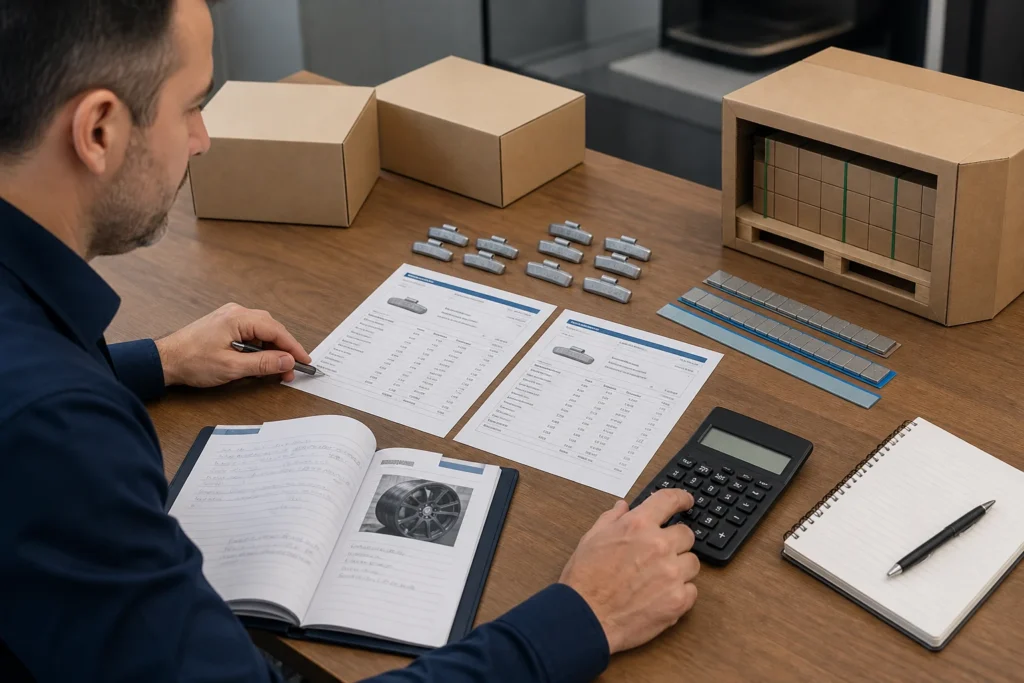
O preço do peso de balanceamento deve ser comparado como uma especificação total e custo de serviço, não como um valor unitário de destaque. Material, construção de clipe ou fita, revestimento, embalagem, documentos, MOQ, inspeção e requisitos de destino podem tornar dois preços aparentemente semelhantes comercialmente diferentes.
É por isso que um “preço por peça” público raramente responde à pergunta real de um distribuidor ou importador. Uma cotação pode cobrir um peso de encaixe de aço padrão em uma caixa simples na porta da fábrica. Outra pode incluir uma fita adesiva, embalagens de marca própria, registros de inspeção, paletes de exportação e um termo de entrega nomeado. A comparação útil começa quando ambas as ofertas são traduzidas para o mesmo produto, unidade, embalagem e escopo de entrega.
Índice
- O que o preço do peso de balanceamento realmente significa?
- O que um preço de destaque do peso de balanceamento pode deixar de fora?
- Como o material e os componentes afetam o preço cotado?
- Por que documentos de embalagem e termos de entrega alteram o custo total?
- Como o MOQ e a estrutura do pedido afetam a comparação comercial?
- Como os compradores podem calcular o custo desembarcado para um pedido de peso de balanceamento?
- Como os compradores devem comparar o custo total antes de escolher uma cotação?
- O que deve estar em uma RFQ de custo total?
- Conclusão: compare um pedido definido, não um fragmento de preço
- Perguntas Frequentes
- Referências
O que o preço do peso de balanceamento realmente significa?
O preço do peso de balanceamento significa o custo atribuído a um escopo de fornecimento específico e definido. Só é útil quando o comprador conhece a versão do produto, a unidade de quantidade, qual embalagem e serviço estão incluídos, quais custos de destino estão excluídos e quem carrega a responsabilidade em cada ponto de transferência.
Um fornecedor pode cotar por peça, por tira, por rolo, por caixa, por quilograma ou por sortimento misto. Cada um pode ser válido. O problema começa quando um comprador compara esses valores como se todos descrevessem a mesma quantidade e o mesmo produto acabado. Um número baixo por quilograma para pesos sem caixa, por exemplo, não é automaticamente comparável com um preço por caixa para pacotes rotulados, mistos e paletizados.
Comece fixando a faixa de produtos antes de pedir a qualquer um que precifique. O decisões de faixa de produtos que devem ser fixadas antes de o preço ser solicitado ajudam um comprador a conectar as aplicações de rodas pretendidas aos formatos de fixação, materiais, incrementos e lógica de embalagem que pertencem a uma solicitação real. Após clicar, o comprador pode reduzir o número de variáveis indefinidas antes que um fornecedor as transforme em suposições.
Use esta linha de base ao coletar um preço:
| Campo de preço | O que registrar | Por que isso altera a comparação |
|---|---|---|
| Identidade do produto | Encaixe ou adesivo, design de perfil ou tira, material, acabamento, sistema de incremento e aplicação pretendida | Impede que uma família de produtos diferente seja precificada como substituta sem aviso |
| Unidade de preço | Peça, segmento, tira, rolo, quilograma, embalagem interna, caixa ou pedido | Dá ao comprador uma base comum para cálculo |
| Escopo de quantidade | Quantidade por SKU, família de produtos, caixa ou pedido completo | Mostra se um preço cotado depende de uma mistura ou mínimo específico |
| Escopo de embalagem | Contagem interna, contagem de caixas, rótulos, paletes e materiais de proteção | Identifica o que o comprador recebe e o que deve adquirir ou pagar depois |
| Evidência e serviço | Amostras, inspeção, declaração de material, evidência de teste, verificação de arte ou suporte de carregamento | Mostra se o trabalho de controle de produto está incluído, é opcional ou está ausente |
| Escopo de entrega | Coleta na fábrica, entrega no porto, Incoterm nomeado, frete, seguro, imposto, entrega local ou outras cobranças | Impede que uma oferta aparentemente mais barata exclua o próximo custo inevitável |
O objetivo não é forçar cada fornecedor a oferecer o mesmo serviço. É nomear as diferenças para que o comprador possa escolhê-las conscientemente.
O que um preço de destaque do peso de balanceamento pode deixar de fora?
Um preço de destaque pode deixar de fora os detalhes do produto, embalagem, verificação e custos de transferência que determinam o que realmente chega ao comprador. Também pode ocultar uma unidade diferente, uma quantidade de pedido diferente, um material diferente ou uma suposição de entrega não declarada.
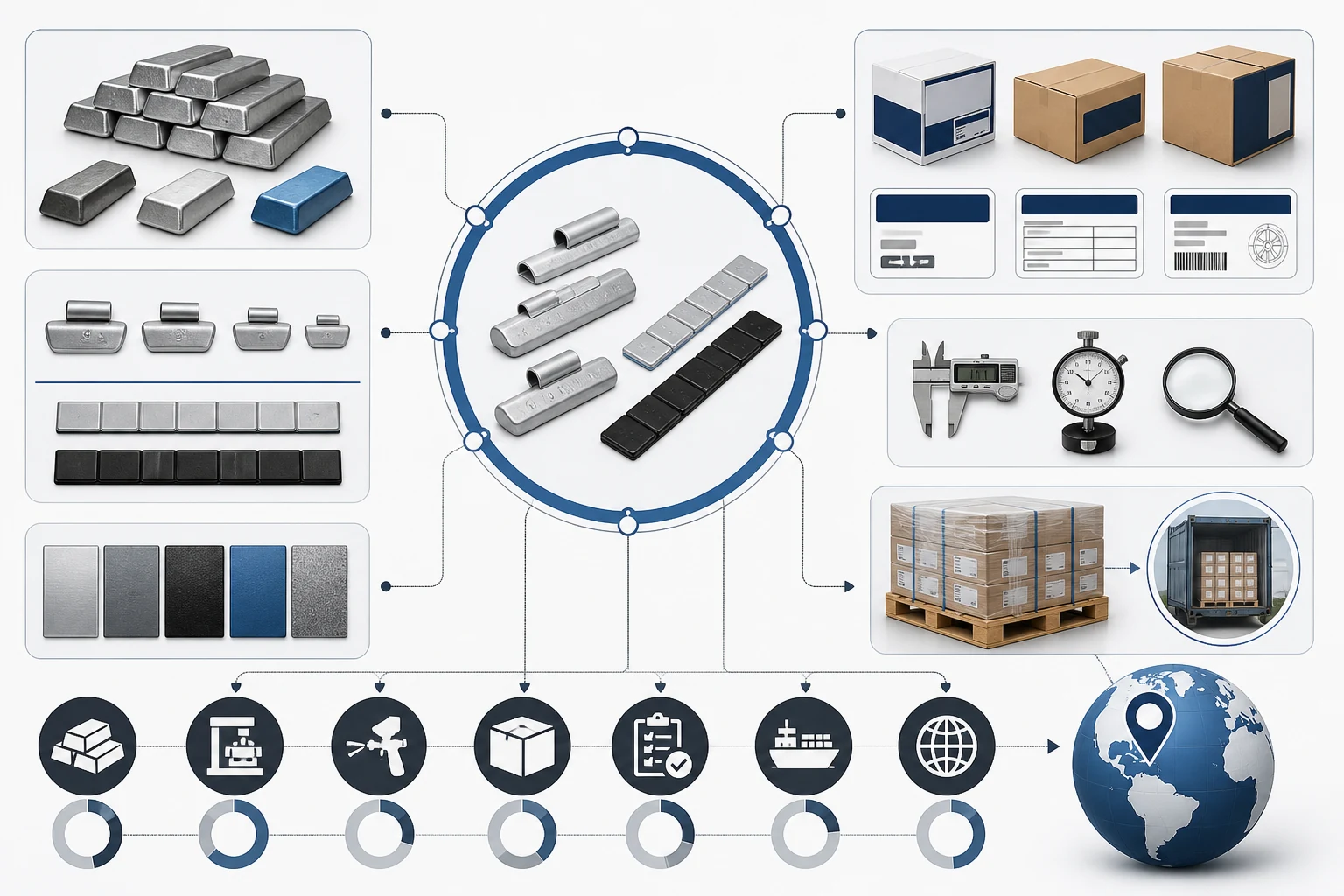
Antes de comparar números, pergunte a que o número está vinculado. É para um peso padrão simples, uma tira com fita adesiva com forro identificado, uma peça de encaixe revestida acabada ou uma caixa que o distribuidor pode colocar em estoque? A quantidade é algumas amostras, uma caixa completa, um mínimo por SKU ou um programa de contêiner repetido? Um preço sem essas respostas é um sinal de partida, não uma decisão de compra.
Omissões comuns incluem:
- Um material, revestimento, clipe, fita, forro, distribuição de incremento ou espessura de tira diferente do que o comprador pretendia.
- Embalagem que é simples, solta, sem marca ou fornecida em uma contagem interna e externa diferente.
- Amostra, inspeção, revisão de rótulo, documentação ou trabalho pré-embarque cobrado separadamente ou não oferecido.
- Frete, manuseio de exportação, seguro, imposto, taxa, desembaraço local ou entrega final fora do preço nomeado.
- Um MOQ que se aplica por SKU ou embalagem impressa em vez de ao pedido completo.
- Uma moeda, termo de pagamento, período de validade ou suposição de taxa de câmbio que torna a comparação posterior instável.
A conversão de unidades merece cuidado especial. Compradores comparando gramas e onças, pesos individuais e tiras quebráveis, ou quantidades de caixas e quilogramas podem usar as verificações de unidade e incremento antes que um preço seja normalizado para garantir que a cobertura de valor de balanceamento subjacente permaneça comparável. Um preço mais baixo para uma tira com menos segmentos utilizáveis ou uma faixa de incremento inadequada não é uma economia equivalente.
Não transforme isto num pedido interminável de detalhes antes de uma conversa inicial. Um primeiro orçamento útil pode mostrar o âmbito padrão e as opções. O comprador só precisa que cada opção seja identificada para que um cálculo posterior “tudo incluído” não misture o produto padrão de um fornecedor com o pacote ou serviço de entrega melhorado de outro fornecedor.
Como o material e os componentes afetam o preço cotado?
As escolhas de materiais e componentes afetam o preço porque determinam o que é comprado, processado, controlado e embalado no SKU acabado. Um orçamento deve identificar essas escolhas com clareza suficiente para o comprador decidir se um preço mais baixo vem de uma configuração padrão legítima ou de um produto diferente.
Para pesos de encaixe, variáveis de preço significativas podem incluir o corpo e o material do clipe, o perfil do clipe, a forma do peso, o revestimento ou galvanoplastia, a mistura de incrementos e a disposição na caixa. Para pesos adesivos, variáveis relevantes podem incluir o material do peso, o acabamento, as dimensões da tira, o padrão dos segmentos, a fita, o forro e o formato em que a tira é embalada. Um termo genérico como “peso de roda” não consegue, por si só, carregar essas diferenças.
Alterações de material também podem trazer requisitos documentais. Quando um comprador serve um destino ou cliente que está a afastar-se do chumbo, deve alinhar o material solicitado, qualquer declaração e o âmbito de preço desde a primeira consulta. O âmbito de material e documentos para um programa de pesos de roda sem chumbo ajuda um comprador a identificar o que deve verificar antes de tratar uma alternativa de aço ou zinco como comercialmente equivalente a uma linha à base de chumbo orçamentada ou não especificada.
O formato do produto pode alterar a unidade económica, bem como o preço do produto. A 3M identifica um rolo de pesos de roda como tendo 11,0 metros de comprimento e 12,32 libras, concebido para ser cortado no peso exato e substituir vários tamanhos individuais.4 Um orçamento de rolo, portanto, não deve ser comparado com uma tira, caixa ou sortimento de encaixe apenas por quilogramas; o comprador também precisa de produção de balanceamento utilizável, desperdício, equipamento, mão de obra e implicações de inventário.
O processo por trás do componente também importa. Os compradores que precisam de compreender porque duas peças aparentemente semelhantes têm termos comerciais diferentes podem usar etapas de processo e controlo de qualidade por trás de um preço de produto repetido para ver onde a estampagem, o revestimento, a aplicação de fita, a medição e o controlo de embalagem criam trabalho real. Isto não é um argumento de que um processo mais complexo vale sempre mais; é uma forma de perguntar se o preço inclui a configuração e os controlos exigidos.
| Elemento do produto | Pergunta de comparação | Porque uma oferta mais baixa pode diferir |
|---|---|---|
| Vidro traseiro lateral / pilar C | Que opção exata de material é orçamentada, e é sustentada pela declaração solicitada? | Um metal diferente ou material não confirmado pode alterar a conformidade, o comportamento da massa e o custo |
| Perfil do clipe ou geometria da tira | Está a ser oferecido o mesmo perfil, espessura, padrão de segmentos ou aplicação de roda pretendida? | Ferramentas, ajuste e cobertura de balanceamento utilizável podem não corresponder |
| Revestimento ou acabamento | Que acabamento está incluído e qual é a base de desempenho acordada, se exigida? | “Revestido” pode descrever processos e controlos de lote diferentes |
| Sistema adesivo | A fita, o forro, o armazenamento e a expectativa de aplicação são os mesmos? | Uma tira visualmente semelhante pode usar uma fita ou método de conversão diferente |
| Cobertura de incrementos | Que valores, peças, segmentos ou rolos estão no preço? | Um pacote misto mais barato pode omitir os valores que impulsionam a procura real de serviço |
A resposta correta a um orçamento pouco claro não é assumir má qualidade. Peça ao fornecedor para nomear a configuração e indicar uma alternativa separadamente. Isso torna a negociação mais precisa e mais respeitadora do tempo de ambas as partes.
Por que documentos de embalagem e termos de entrega alteram o custo total?
A embalagem, os documentos e as condições de entrega alteram o custo total porque afetam a forma como o produto é recebido, contado, rastreado, protegido, movimentado e desalfandegado. Não são complementos depois de a encomenda atravessar um armazém ou uma fronteira; fazem parte do resultado operacional pelo qual o comprador está a pagar.
Uma embalagem interna pronta para retalho, uma caixa exterior controlada, um plano de paletes e uma etiqueta de manuseamento podem custar mais do que o produto solto, mas podem reduzir reembalagem, erros de receção, danos ou confusão de stock. A orientação da GS1 sobre etiquetas logísticas trata a identidade da unidade de manuseamento como um requisito logístico, o que é um lembrete útil de que uma caixa exterior e uma etiqueta de palete devem ser suficientemente claras para a parte que as recebe.1
Para programas de marca, separe o custo base do produto do desenvolvimento e aprovação da embalagem. Os compradores podem usar custos separados de aprovação e embalagem numa encomenda de pesos de roda de marca para identificar o que pertence ao SKU normal, o que é uma tarefa única de arte ou amostra, e o que deve repetir-se com cada caixa. Isso evita penalizar o preço base do produto por um custo de lançamento que deve ser apresentado independentemente.
A estrutura da encomenda importa da mesma forma. As escolhas de caixa, palete e mistura de SKU numa encomenda a granel de pesos de roda ajudam os compradores a ver se um preço usa uma contagem de caixas útil, uma palete viável e uma mistura que corresponde à procura real. Uma caixa menos dispendiosa pode ser cara de manusear se for demasiado pesada, combinar SKUs não relacionados ou forçar um distribuidor a abrir e reetiquetar cada unidade.
As condições de entrega são especialmente importantes na compra para exportação. As regras Incoterms atribuem tarefas, custos e riscos entre comprador e vendedor em pontos definidos; a regra nomeada e o local nomeado pertencem ao orçamento, em vez de uma afirmação vaga de que “o transporte está incluído”.”2 O comprador também deve identificar custos que ainda podem ficar fora do Incoterm, como direitos de importação, impostos, taxas de despachante, armazenamento local ou entrega na última milha, dependendo do termo e destino escolhidos.
Peça a cada fornecedor para mostrar:
- Moeda do preço, período de validade, condição de pagamento e a unidade orçamentada.
- Contagens de embalagem interna e caixas, pesos líquidos e brutos, dimensões da caixa, padrão de palete e etiquetas.
- Encargos ou inclusões de amostras, arte, inspeção, testes e documentos.
- Incoterm nomeado e local nomeado, além de se o frete, seguro, desalfandegamento de exportação ou carregamento estão incluídos.
- Qualquer encargo único de ferramentas, configuração, embalagem ou administração separadamente do preço unitário recorrente.
Como o MOQ e a estrutura do pedido afetam a comparação comercial?
O MOQ e a estrutura do pedido afetam a comparação porque determinam a quantidade à qual um preço unitário cotado está disponível e quanto estoque indesejado, embalagem ou capital de giro o comprador deve carregar. Um preço unitário mais baixo em um mínimo maior ou mais fragmentado pode ter um custo de primeiro pedido mais alto do que um preço ligeiramente superior para um sortimento equilibrado e reabastecível.
No mínimo, registre se a quantidade é por SKU, por família de produtos, por material e acabamento, por caixa impressa ou para o pedido inteiro. Em seguida, registre quais valores podem ser misturados, quais precisam de caixas separadas e o que acontece com etiquetas personalizadas ou embalagens não utilizadas. Isso é particularmente importante quando um fornecedor oferece um preço total atraente, mas exige quantidades iguais de incrementos de baixo giro ou adiciona um mínimo de pacote por SKU que não foi mostrado no título.
O comprador deve comparar duas visões:
- Necessidade de caixa do primeiro pedido: produto, embalagem especial, amostras, inspeção, frete, seguro e todos os outros custos necessários para lançar o sortimento escolhido.
- Custo operacional de pedidos recorrentes: preço recorrente do produto e da embalagem, frete e manuseio normais, giro de estoque, prováveis quantidades de reposição e o custo de carregar variantes que não se movem.
Não use uma fórmula simplista que pretenda que todo risco pode ser reduzido a um número preciso. Em vez disso, declare o que é conhecido, torne as opções visíveis e mantenha uma coluna de notas para premissas. Um fornecedor disposto a cotar uma configuração padrão e uma personalização separadamente frequentemente dá ao comprador mais valor de decisão do que um preço aparentemente mais baixo sem detalhamento de escopo.
Como os compradores podem calcular o custo desembarcado para um pedido de peso de balanceamento?
Calcule o custo desembarcado somando todo custo não recuperável necessário para mover o pedido definido de peso de roda até o estoque utilizável do armazém, depois divida esse total pela mesma unidade comercial usada para inventário e vendas. Mantenha impostos, taxas alfandegárias e encargos que dependem do destino em linhas separadas para que possam ser substituídos sem reconstruir a comparação.
Um modelo prático é:
Custo desembarcado = mercadorias + embalagem recorrente + encargos únicos + inspeção + manuseio de exportação + frete + seguro + imposto de importação + imposto não recuperável + encargos de despachante/porto + entrega interna
Não presuma que o Incoterm nomeado fornece todos os números após o ponto de transferência. Obtenha insumos de frete, imposto de importação, imposto, despachante, armazenagem e entrega no destino junto ao provedor responsável pela rota real. Se o imposto for recuperável, mantenha-o fora do custo desembarcado econômico, mas mostre-o separadamente no plano de fluxo de caixa.
Exemplo prático de custo desembarcado
Os números a seguir são apenas ilustrativos. Presuma que ambos os fornecedores cotem o mesmo pedido de 1.000 caixas de peso de roda adesivo, com quatro caixas por caixa master. O exemplo usa uma alíquota de imposto de importação assumida de 4% apenas para demonstrar o cálculo; o comprador deve substituí-la pela classificação aplicável, valor aduaneiro, alíquota de destino e tratamento tributário.
| Linha de custo | Fornecedor A | Fornecedor B |
|---|---|---|
| Mercadorias | $24,000 | $23,000 |
| Embalagem/configuração | $600 | $1,500 |
| Inspeção | $300 | $300 |
| Manuseio de exportação | $700 | $700 |
| Frete e seguro | $2,400 | $2,900 |
| Valor aduaneiro ilustrativo usado para imposto de importação | $27,000 | $27,400 |
| Imposto de importação à alíquota assumida de 4% | $1,080 | $1,096 |
| Encargos de despachante e porto | $620 | $620 |
| Entrega interna | $900 | $900 |
| Custo desembarcado total | $30,600 | $31,016 |
| Custo desembarcado por caixa master | $30.60 | $31.02 |
| Custo desembarcado por caixa | $7.65 | $7.75 |
O Fornecedor B começa com um preço de mercadorias $1.000 mais baixo, mas as premissas declaradas produzem um total desembarcado $416 mais alto. Isso não torna o Fornecedor A universalmente melhor: o Fornecedor B pode oferecer fita mais forte, embalagem mais útil, melhores condições de pagamento ou menor risco de falha. Isso mostra por que o comprador deve separar o custo desembarcado mensurável do risco qualitativo do fornecedor, em vez de tratar o preço na porta da fábrica como a resposta final.
Faça uma verificação de sensibilidade nas linhas incertas. Por exemplo, altere frete, taxa de câmbio, imposto de importação, armazenagem ou utilização de caixa master e observe qual cotação se torna mais cara. Também calcule o primeiro pedido separadamente de um pedido repetido quando ferramental, arte ou configuração de embalagem não se repetirem.
Como os compradores devem comparar o custo total antes de escolher uma cotação?
Os compradores devem normalizar as cotações para o mesmo briefing de SKU, unidade de preço, plano de embalagem, termo de entrega e escopo de evidências antes de escolherem. A comparação só é justa depois que as diferenças forem eliminadas ou declaradas como alternativas deliberadas.
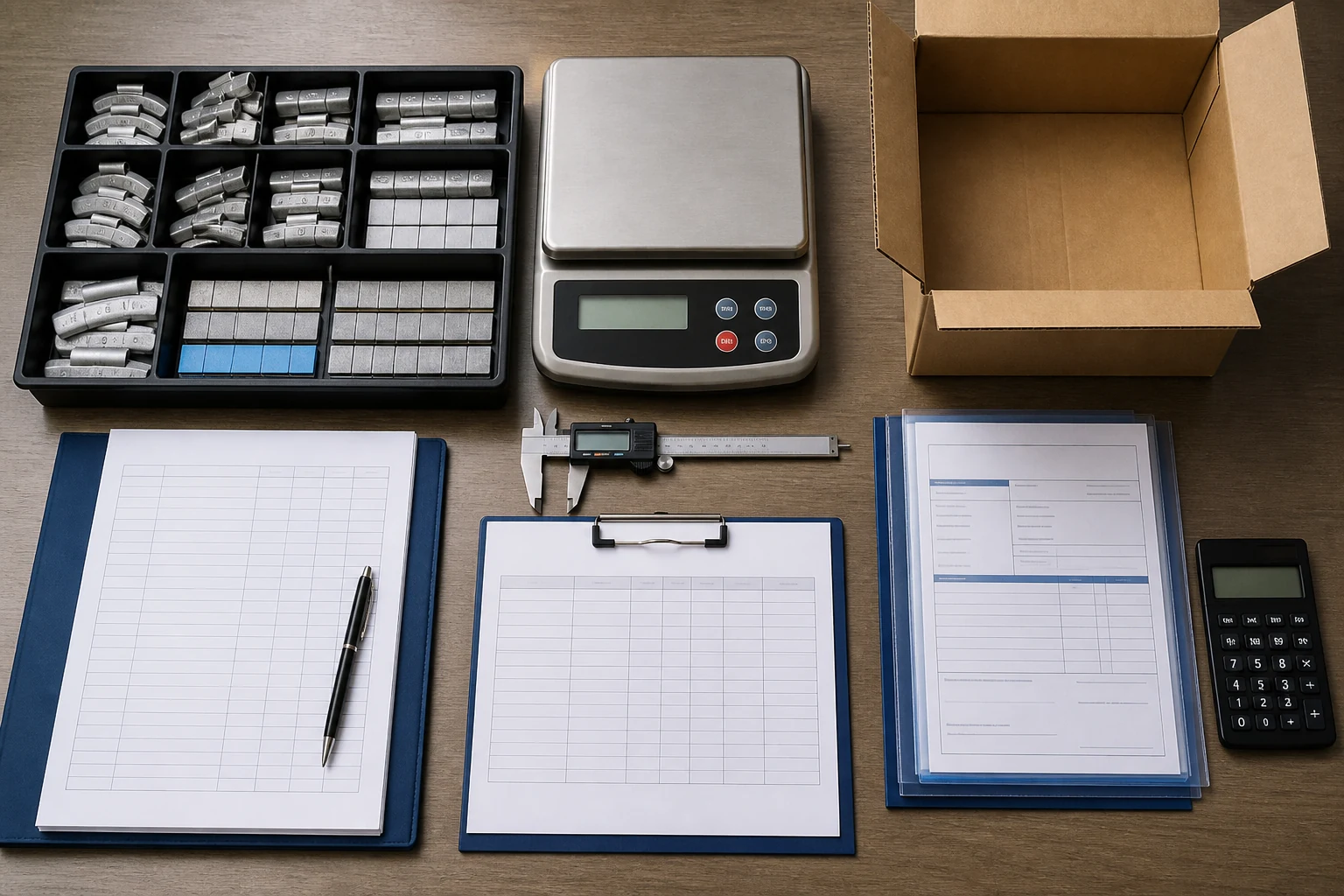
Crie uma planilha de comparação para cada fornecedor. Liste a especificação solicitada na primeira coluna, depois copie apenas a resposta declarada do fornecedor nas colunas seguintes. Não preencha silenciosamente valores ausentes com o que outro fornecedor cotou.
| Área de comparação | Normalize este campo | Pergunta de decisão |
|---|---|---|
| Produto | Tipo de fixação, material, acabamento, perfil ou construção em tira, incrementos e aplicação pretendida | Todos os fornecedores estão cotando o mesmo produto utilizável? |
| Quantidade | Base do preço unitário, quantidade solicitada, mínimo de SKU, mix permitido e quantidade total do pedido | O preço declarado se aplica ao plano real do pedido? |
| Embalagem | Embalagem interna, contagem de caixas master, dimensões, etiquetas, paletes e componentes de marca | O produto pode entrar no armazém e no canal de vendas do comprador conforme cotado? |
| Quality and evidence | Identidade da amostra, escopo de inspeção, documentos, base de teste e notificação de alteração | Que trabalho de controle de produto está incluído antes e depois do pedido? |
| Entrega | Moeda, condição de pagamento, Incoterm e local nomeado, frete, seguro e custos locais | Onde o preço do vendedor termina e o custo do comprador começa? |
| Risco comercial | Validade da cotação, prazo de entrega, saldo de material personalizado, condições de reposição e exceções | O que muda se demanda, design ou condições de envio se alterarem? |
A documentação de qualidade deve ser tratada como um escopo declarado, não como um certificado mágico. A ISO 9001 aborda informações documentadas controladas; para um comprador, a implicação útil é vincular a cotação, a amostra aprovada, o requisito de inspeção e a versão da embalagem a um SKU identificável. Isso reduz a chance de que um primeiro preço baixo seja posteriormente associado a um produto pouco claro ou alterado.3
Depois que cada fornecedor estiver precificado na mesma base comercial, use os fatores de comparação de fornecedores além do preço principal do peso de roda para avaliar cobertura de linha, prontidão de embalagem, documentos, controle de qualidade e estabilidade de reposição juntamente com o cálculo de custo. Após clicar, um distribuidor pode tomar uma decisão de compra que considera como a cotação funcionará no programa real de estoque.
Quando os números normalizados ainda deixarem ofertas concorrentes difíceis de comparar, use um processo de comparação de cotações para preço, escopo, evidências e risco de entrega para registrar o que cada fornecedor incluiu, omitiu ou propôs como alternativa antes da aprovação.
Para a avaliação inicial, solicite formatos de amostra de encaixe e adesivo para uma cotação compatível com a especificação em vez de uma variedade de amostras não especificada. As amostras físicas devem corresponder ao escopo do SKU em comparação, incluindo o perfil relevante, formato da tira, acabamento e embalagem onde estes forem importantes.
O que deve estar em uma RFQ de custo total?
Um RFQ de custo total deve fornecer a todos os fornecedores o mesmo briefing de produto e entrega, e então pedir a cada fornecedor que identifique suas premissas e alternativas. Não é uma exigência de um preço público fixo; é um método para transformar uma consulta comercial em uma escolha informada.
Inclua:
- O mercado-alvo, aplicações de rodas e famílias de produtos de encaixe ou adesivos necessárias.
- Material, acabamento, perfil ou construção da tira, sistema de incremento e quaisquer requisitos críticos para a aplicação.
- Quantidade por SKU ou a proporção de sortimento misto permitida, além dos volumes desejados de lançamento e de pedidos recorrentes, se conhecidos.
- Unidade de preço, moeda solicitada, validade da cotação e solicitação de prazo de pagamento.
- Embalagem interna, caixa, palete, etiquetas, componentes de marca própria e porto ou local de destino exigidos.
- Expectativas de amostra, inspeção, declaração de material, documentação, arte e controle de alterações.
- Solicitação do Incoterm nomeado, local nomeado, prazo de entrega, encargos únicos e todas as exceções a serem apresentadas separadamente.
Este briefing oferece aos fornecedores uma forma prática de propor uma alternativa padrão viável quando a primeira escolha do comprador causaria um MOQ ou mínimo de embalagem desnecessário. Também permite ao comprador enviar uma especificação para uma cotação de custo total comparável sem fingir que todo fornecedor deve estruturar sua oferta da mesma maneira.
Se você está comparando o custo total de cotações de contrapesos de roda, compartilhe a especificação do produto, volume, embalagem, premissas de frete, condições de pagamento e requisitos de qualidade. Podemos ajudá-lo a construir um briefing de custo comparável antes de escolher um fornecedor.
Conclusão: compare um pedido definido, não um fragmento de preço
O preço do contrapeso de roda só se torna significativo quando o produto cotado, a quantidade, a embalagem, as evidências e o escopo de entrega estão visíveis. Material, design do clipe ou da fita, revestimento, incrementos, inspeção, documentos, embalagem de marca, MOQ e termos de entrega nomeados podem todos alterar o resultado comercial mesmo quando dois preços unitários de destaque parecem próximos.
Fixe a especificação crítica para a aplicação, normalize a unidade e a estrutura do pedido, e peça a cada fornecedor que declare seu escopo de serviço e exceções. Em seguida, compare a exigência de caixa do primeiro pedido e o custo operacional de pedidos recorrentes lado a lado. Essa é a base sólida para uma cotação de custo total comparável.
Perguntas Frequentes
Por que não existe um único preço público de contrapeso de roda?
Os preços de contrapesos de roda dependem da configuração do produto, material, tipo de fixação, incrementos, embalagem, quantidade do pedido, evidências e escopo de entrega. Um número público sem esses detalhes pode enganar um comprador porque pode descrever um produto diferente ou excluir custos necessários para o pedido pretendido.
Devo comparar contrapesos de roda por preço por quilograma ou preço por peça?
Use a unidade que corresponda ao produto e à decisão comercial, depois normalize a comparação com peso líquido e conteúdo da embalagem. O preço por quilograma pode ser útil para produtos intensivos em material, enquanto o preço por peça, tira ou caixa pode refletir melhor um sortimento de oficina ou distribuidor. A configuração do produto ainda deve ser a mesma.
O que devo pedir a um fornecedor para incluir em uma cotação de contrapeso de roda?
Peça a descrição exata do produto, material, fixação, acabamento, cobertura de incremento, unidade de preço, escopo de quantidade, embalagem interna e externa, amostras e inspeção, documentos, moeda, prazo de pagamento, validade da cotação, prazo de entrega e termo e local de entrega nomeados. Peça que todas as alternativas e encargos únicos sejam apresentados separadamente.
Um MOQ mais baixo sempre significa um preço melhor de contrapeso de roda?
Não. Um MOQ mais baixo pode reduzir a exposição do primeiro pedido, mas o produto pode ter um preço unitário mais alto, uma mistura de SKUs menos adequada ou escopo limitado de embalagem e serviço. Compare o caixa exigido no primeiro pedido e os custos esperados de pedidos recorrentes com a necessidade real do mercado.
Como comparo o frete em duas cotações de contrapeso de roda?
Primeiro identifique o Incoterm nomeado e o local nomeado em cada cotação. Em seguida, liste o que está incluído até esse ponto e estime o custo restante até o mesmo destino. Não trate “frete incluído” como detalhe suficiente, porque frete, seguro, manuseio de exportação, imposto de importação, tributos e entrega local podem ser alocados de forma diferente.
Referências
[1] GS1. “Diretriz de Etiqueta Logística GS1.” s.d.
[2] Câmara de Comércio Internacional. “Regras Incoterms 2020.” 2020.
[3] International Organization for Standardization. “ISO 9001:2015 – Sistemas de gestão da qualidade – Requisitos.” 2015.
[4] 3M. “Contrapeso de Roda 3M PN61403 (TN4715P).” 2026.