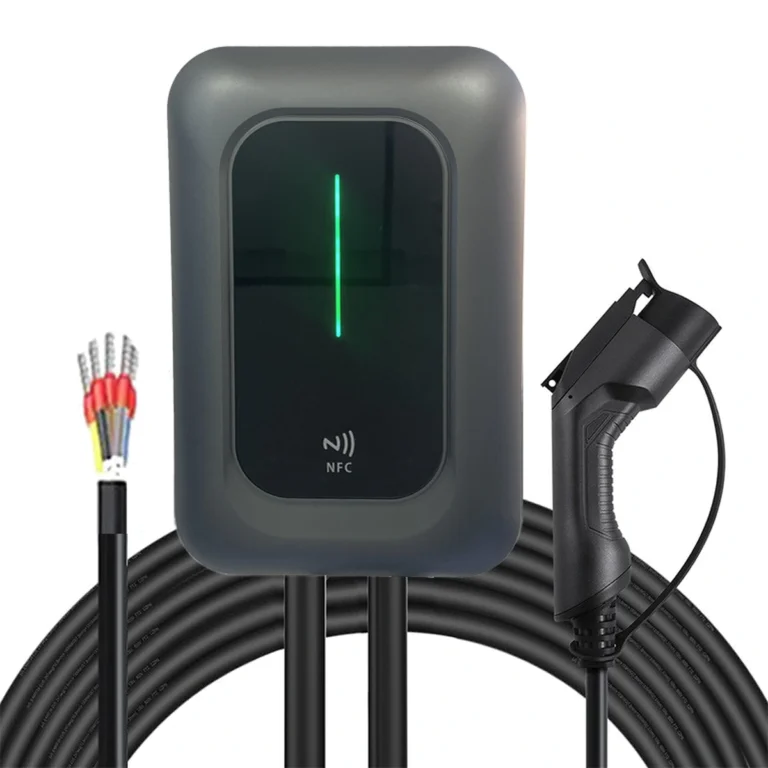
Exterior Styling Accessories

Leverage our advanced manufacturing facility and robust supply chain to scale your brand. Whether it’s custom molding or your own private-label part designs, we provide flexible production capacities and rapid prototyping to keep you ahead of the competition.
ISO/TS16949 Certified
Competitive Price
Fast & Reliable
7/24 Customer Service
Tell us your vehicle and the part you need. We develop OEM/ODM molds in-house and can source other parts through vetted partner factories.
Send an InquirySend your vehicle, part list or drawing. Our team checks fitment and replies within one business day.
Buying Guide
Charging products are not universal. The plug has to match the vehicles in the target market, the power level has to match the site’s electrical supply, and the product needs the certificates that market requires. Get those three right before comparing prices.
J1772 (Type 1): the long-standing AC plug in North America; CCS1 adds two DC pins below it for fast charging.
NACS (SAE J3400): the Tesla-originated connector that carries AC and DC through one compact plug and is being adopted by many North American automakers.
Type 2 (IEC 62196-2): the AC plug used across Europe and many other regions, single or three phase; CCS2 is its DC fast-charging version.
GB/T: China’s standard, with separate AC and DC inlets. CHAdeMO is an older DC standard now found on fewer new vehicles.
Level 1 (120 V): a portable cord on a household outlet, about 1.4–1.9 kW. Slow, but needs no installation.
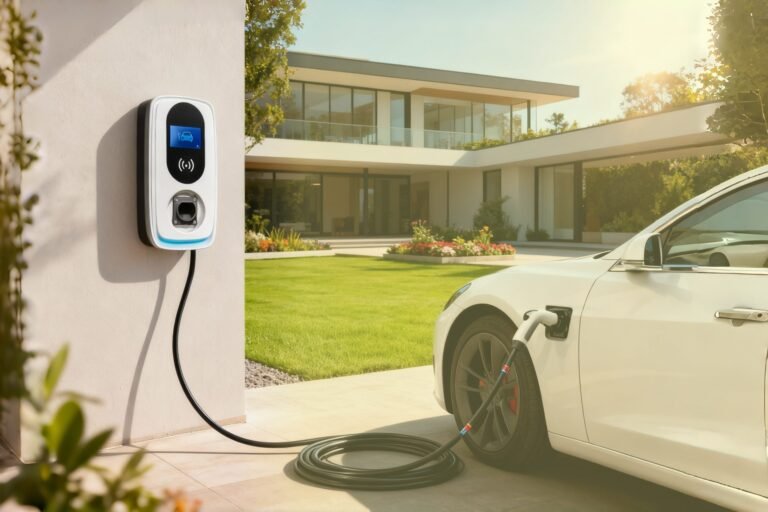
Level 2 / AC: 208–240 V single phase in North America, often 7–11.5 kW; three-phase supply in Europe and elsewhere allows 11 kW or 22 kW. The car’s onboard charger caps the real speed.
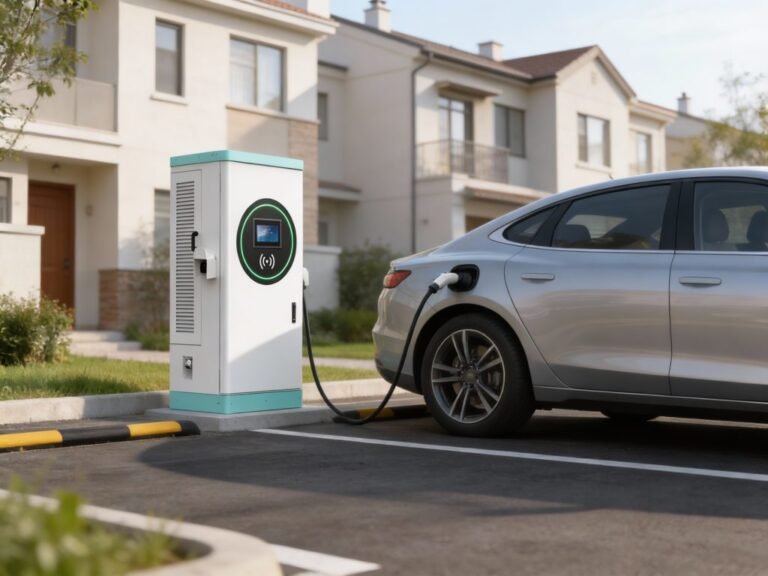
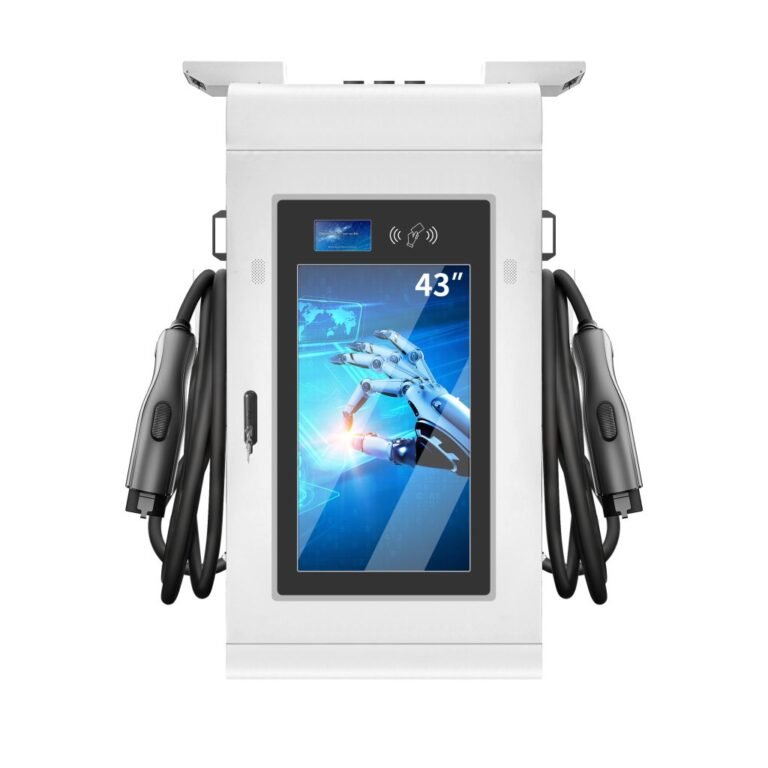
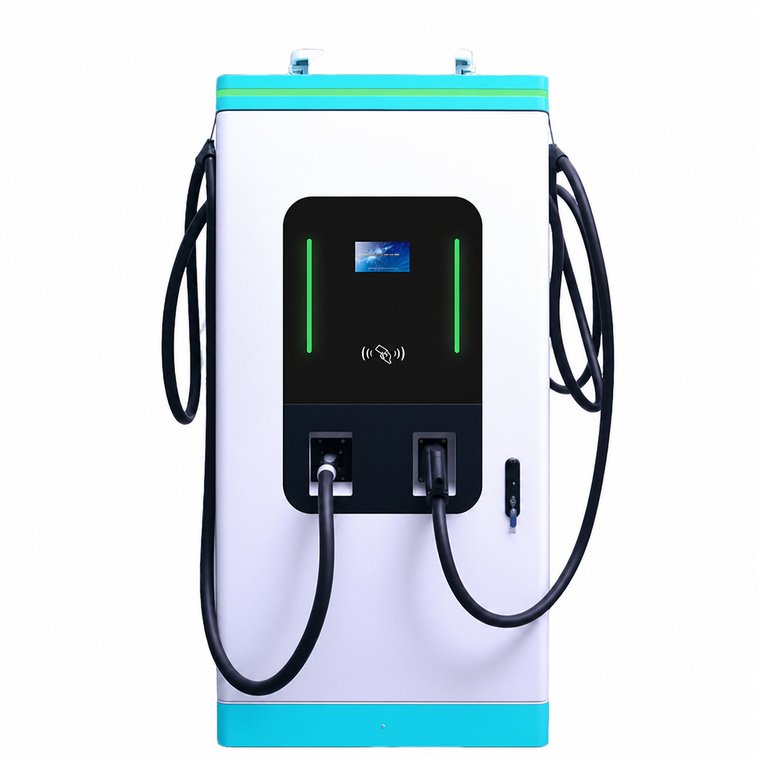
DC fast charging: the charger converts power itself, from about 60 kW for compact units to 360 kW and above for highway and fleet sites, and needs a three-phase supply sized by an electrician.
Typical requirements include product safety listings such as UL or ETL marks in North America and CE or UKCA conformity in Europe, plus test reports against standards like IEC 61851 and IEC 62196.
Look for an enclosure ingress protection (IP) rating suited to outdoor use, residual current protection, over-current and over-temperature protection, and a clear current rating on cables and adapters.
Certificates are issued per model and per market. Ask for the certificate and test report for the exact model you plan to sell, and do not assume one listing covers every version.
Reference
| Connector | Charging Type | Main Markets | Notes |
|---|---|---|---|
| J1772 (Type 1) | AC | North America, Japan, Korea | Single phase only |
| CCS1 | DC (plus AC via J1772 top) | North America | Being joined by NACS on many new vehicles |
| NACS / SAE J3400 | AC and DC in one plug | North America | Compact plug; adapters bridge to J1772 and CCS1 |
| Type 2 (Mennekes) | AC, single or three phase | Europe, UK, Australia, many others | Up to 22 kW on three-phase supply |
| CCS2 | DC (plus AC via Type 2 top) | Europe and many other regions | The main DC standard outside North America and China |
| GB/T | Separate AC and DC inlets | China | Common on vehicles built for the Chinese market |
| CHAdeMO | DC | Japan, some older vehicles | Fewer new vehicles use it |
| Level | Supply | Typical Power | Typical Use |
|---|---|---|---|
| Level 1 / portable | 120 V household outlet | About 1.4–1.9 kW | Overnight top-up, travel backup |
| Level 2 single phase | 208–240 V | About 7–11.5 kW | Homes, workplaces, hotels |
| AC three phase | About 400 V | 11 kW or 22 kW | European homes, offices, fleet depots |
| DC fast | Three-phase grid connection | About 60–480 kW | Highways, fleet hubs, retail sites |
Each product page lists its connector options, power ratings and listed features. Ratings, certificates and connector versions differ by model, so confirm them for your market with your inquiry.
Installation and Safe Use
General guidance only. Fixed chargers must be installed by a licensed electrician to local code, following the manufacturer’s manual.
Why Yirox
Connector options for J1772, NACS, Type 2, CCS and GB/T markets in one supply channel.
Portable chargers, wall units and DC stations up to 480 kW let you serve home and commercial buyers.
We confirm the certificates and test reports available for each model and market before you order.
Your logo, labels and retail packaging for charging accessory programs.
Wholesale and OEM
Charging products carry more compliance work than most accessories, so documentation comes first in every quote. Founded in 2010, Yirox has 10+ years in auto parts, around 180 staff and buyers in 40+ countries. We run our own approximately 20,000 m² injection-molding factory in Wuxi and work with vetted partner factories, under a quality management system certified to ISO 9001 and IATF 16949. Those are company quality certifications, not product listings; product certificates are confirmed model by model.
Connector type, cable length, plug type and power version set to match your target market.
OCPP-capable models for operators who manage chargers from their own platform.
Logo, labels, manuals and cartons for dealer, installer and online channels.
Low MOQ on selected items. Lead time is confirmed with each quote.
FAQ
J1772 and CCS1 in North America, now joined by NACS (SAE J3400); Type 2 and CCS2 in Europe and many other regions; GB/T in China; and CHAdeMO on some older vehicles.
No. CCS1 uses the J1772 shape on top and adds two large DC pins below, so a CCS1 inlet accepts a J1772 plug for AC charging, but not the other way round.
A well-made adapter used within its rating is safe. Check that the voltage and current ratings match the charger, look for a product safety listing, and confirm the charging network allows adapters.
Yes, with a portable Level 2 charger designed for that outlet type, on a circuit sized for its current. Have an electrician confirm the outlet and wiring.
With AC charging, the car’s onboard charger converts power, which limits speed. A DC fast charger converts power itself and feeds the battery directly, so it is far faster.
Only if the supply is three phase and the vehicle’s onboard charger accepts 22 kW. Many cars charge at 11 kW or less on AC.
Open Charge Point Protocol, an open standard that lets chargers talk to a management platform for access control, billing and monitoring.
A vehicle-to-load adapter plugs into the charging inlet of a compatible EV and provides outlets to power tools or camping gear. Check the vehicle supports V2L first.
It depends on the model and market. We confirm the certificates and test reports available for each product before you order and do not assume one covers all versions.
Your target market, connector standard, power level, quantities, whether you need networked (OCPP) units and any certificate requirements.
Keep Browsing
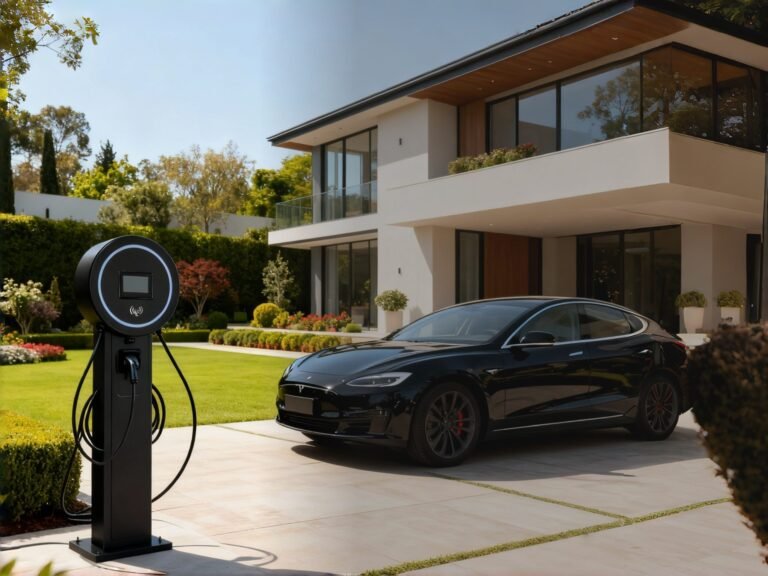
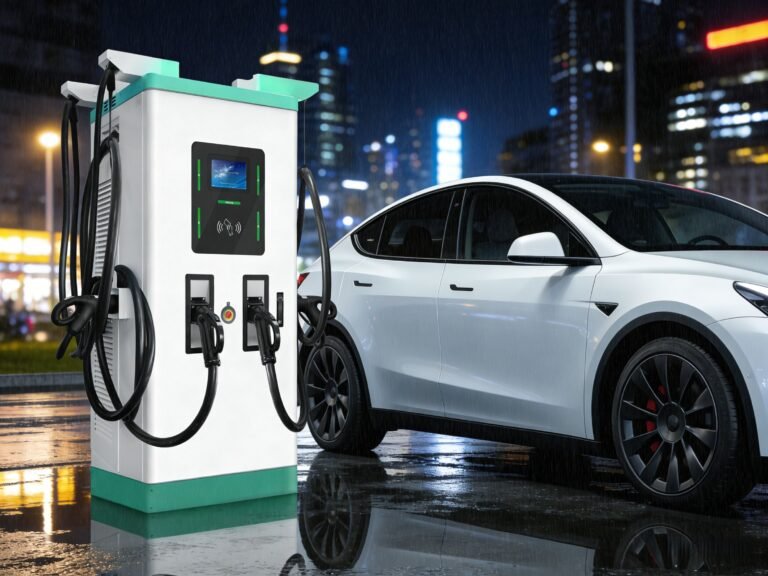

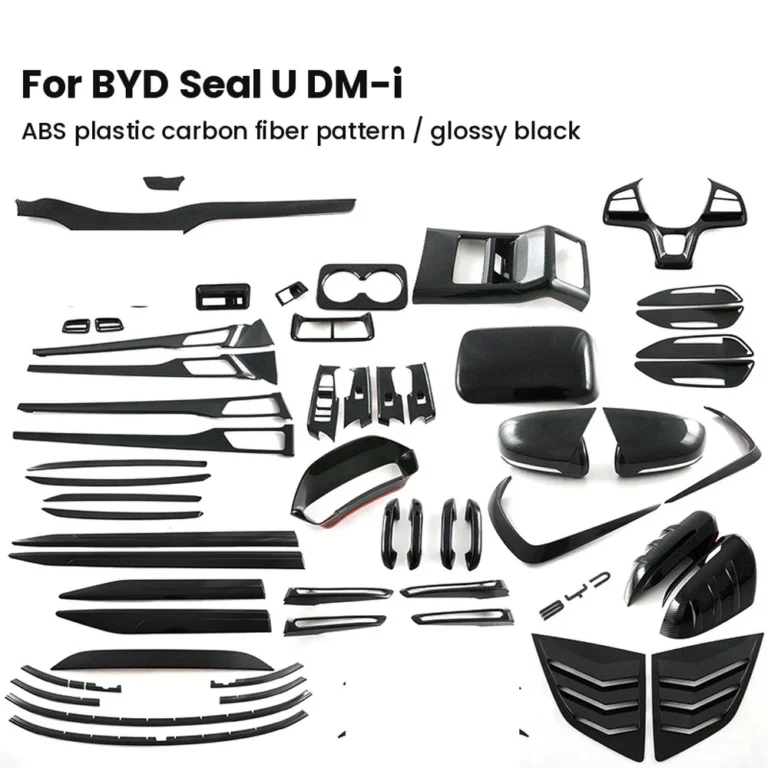
Tell us your vehicle model, year and the parts you need.
Yirox supports single-piece orders, wholesale, OEM/ODM and custom sourcing for any auto parts.