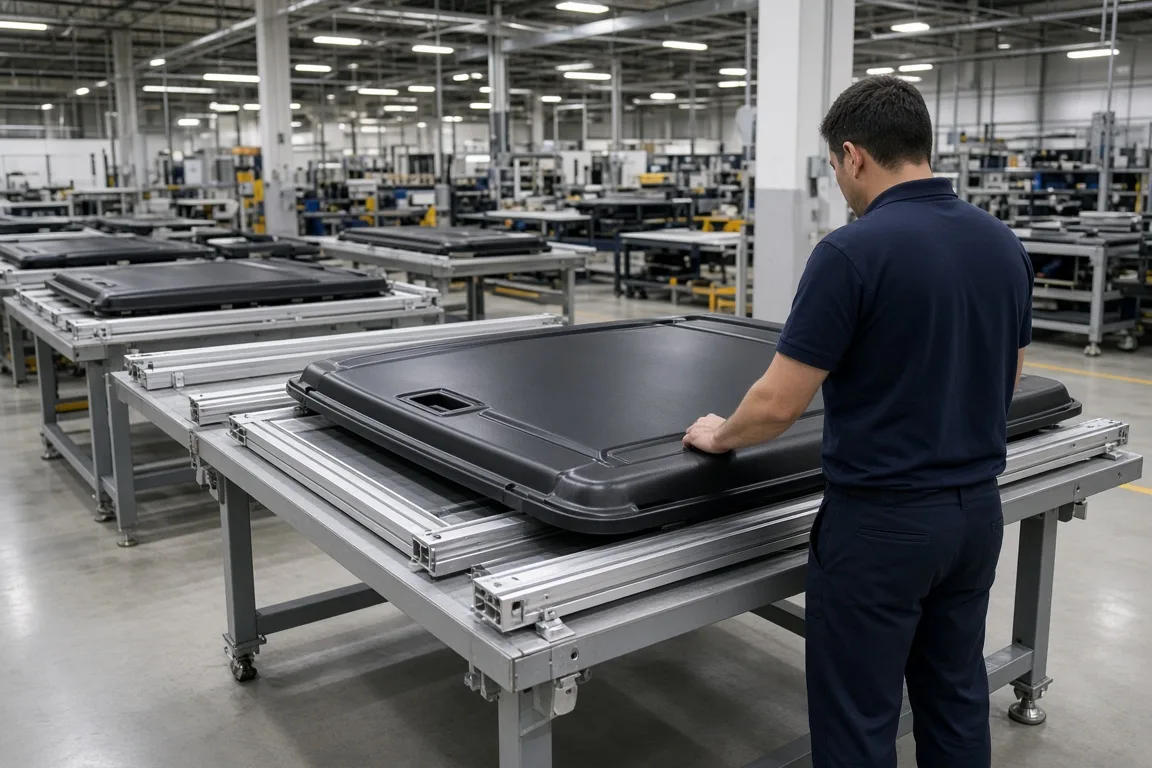


Soft Roll-Up
Vinyl over a clamp-on frame that rolls to the cab. The lowest-cost way to cover a bed.
View Products

Truck Accessories
Five tonneau cover types for pickup distributors, 4x4 retailers and private-label brands: soft roll-up, soft tri-fold, hard roll-up, hard tri-fold and retractable truck bed covers. Compare how each one opens, protects and sells, then go straight to the type you need. Low MOQ on selected items.
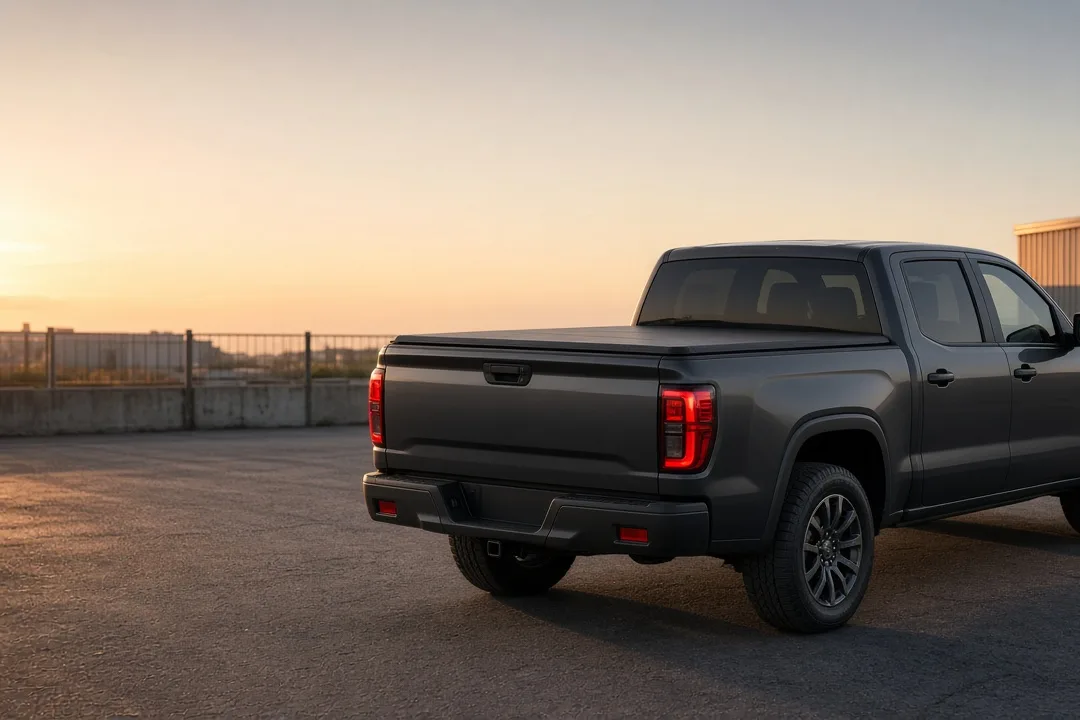
Shop by type
Each type has its own page with buying advice, specs and the full product list.
Vinyl over a clamp-on frame that rolls to the cab. The lowest-cost way to cover a bed.
View Products


Covers that glide in side tracks into a canister, in manual or electric versions.
View ProductsSide-by-side
A quick way to match a truck bed cover to a price point and use case.
| Feature | Soft Roll-Up | Soft Tri-Fold | Hard Roll-Up | Hard Tri-Fold | Retractable |
|---|---|---|---|---|---|
| Bed access when open | Full bed | About 2/3; full if removed | Full bed | Up to full | Nearly full; canister at cab |
| Security | Low | Low | High, locks | High, locks with tailgate | High, locks at any point |
| Weather resistance | Good | Good | Very good | Very good | Very good with clear drains |
| Load on top | No | No | Some designs | Light loads on many | Some designs |
| Typical install | About 30 min, clamp-on | About 20 min, clamp-on | About 1 hour | 30–45 min, clamp-on | 1–3 hours |
| Price tier | Entry | Entry to mid | Mid to premium | Mid to premium | Premium |
| Best buyer | Budget, daily use | Quick part-open access | Security plus full access | Best-selling all-rounder | Top trims, clean look |
Decision guide
There is no single best tonneau cover. A soft tonneau cover wins on price and weight; a hard tonneau cover wins on security and durability. The right answer depends on what the truck carries and where it parks.
More detail: hard vs soft tonneau cover guide and tonneau cover materials explained.
Materials and build
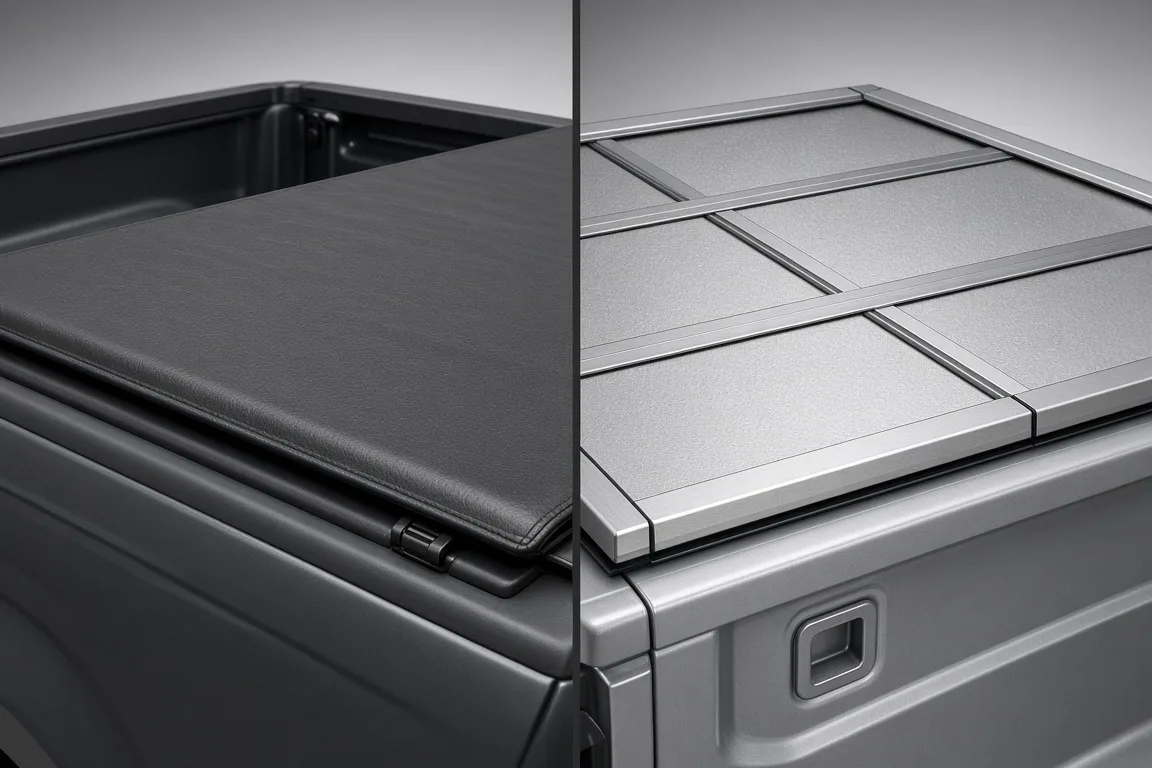
The material sets the price tier, the carton size and the kind of after-sales questions a seller will get.
| Material or part | Used on | What to check | Typical problem if missed |
|---|---|---|---|
| Vinyl or PVC-coated fabric | Soft roll-up and soft tri-fold | Fabric thickness, edge stitching, surface grain and how the tension system holds it flat | Sagging, crease marks from folding in the carton, flapping at highway speed |
| Aluminum panels and slats | Hard tri-fold, hard roll-up, retractable | Panel flatness, coating finish, slat joints and overall weight | Dents and scratches in transit, uneven gaps between panels |
| FRP or composite panels | Selected hard folding designs | Surface finish, stiffness and consistency from panel to panel | Heavier than expected, which changes carton and freight planning |
| Rubber seals | Side rails, bulkhead and tailgate edge | How evenly the seal compresses, corner fit and resistance to aging | Water getting in at rail joints or the tailgate gap |
| Rails, clamps and hardware | Almost every clamp-on cover | Rail length, clamp grip and a complete, clearly labeled hardware kit | Missing parts and installer complaints |
Fitment checklist
A tonneau cover fits a bed, not just a truck name. These details change how the cover clamps, seals and drains.
01
Make, model, year, cab type and the market the truck was sold in.
02
Common sizes are 5.5 ft, 6.5 ft and 8 ft, but markets vary, so measure inside the bed.
03
Spray-in liners, drop-in liners and rail caps all change where the clamps sit.
04
Sports bars, roll bars, racks and stake-pocket fittings can clash with rails or canisters.
05
The rear seal, latch reach and water control all depend on the tailgate design.
06
Retractable and hard roll-up covers need room for the canister and a clear path for drain tubes.
Range planning
Suggested starting points by sales channel. Mix types once you know what your customers buy.
Online and parcel sellers
Slim cartons, low price and easy DIY fitting keep returns and freight costs down.
View Products4x4 and accessory shops
The best-selling hard cover type, with soft tri-fold below it as a step-down option.
View ProductsPremium dealers and installers
High value per sale, with fitting service as part of the offer.
View ProductsFleets and work trucks
Lockable slats and full bed access for daily loading.
View ProductsMixed retail ranges
Entry, mid and premium types for each popular pickup.
New brands
Start with the most common bed sizes in two cover types and expand from sales data.
FAQ
No tonneau cover is completely waterproof, but a well-fitted one keeps most water out. Tight seals, correctly routed drain tubes on hard and retractable covers, and proper tension on soft covers make the biggest difference.
Check that the seals touch evenly at the bulkhead and tailgate, keep drain tubes clear, retension soft covers and adjust the tailgate seal if water enters at the rear.
Touchless car washes are the safest choice. Brush washes can catch soft vinyl edges and hard-cover latches, so check the cover maker's advice first.
No. Close and latch the cover first so brushes and high-pressure water cannot catch it.
Hard covers that lock with the tailgate or at the latch are the most secure: hard tri-fold, hard roll-up and retractable. Soft vinyl can be cut.
Hard folding covers with honeycomb or reinforced aluminum panels are generally the strongest, and some can carry light loads on top.
A closed cover can smooth airflow over the bed slightly, but the effect on fuel use is small. Most buyers choose a cover for security and weather protection.
Most soft and folding covers clamp on in under an hour with basic tools. Retractable and electric covers are best fitted by an installer.
Usually yes. Drop-in liners can need specific clamps or spacers; tell us the liner type when you send your inquiry.
Bed length sets the cover size, rail length, clamp positions and carton size. A cover for a 5.5 ft bed will not fit a 6.5 ft bed of the same truck.
Rails are wrapped, panel corners are guarded, anti-scratch layers sit between hard panels, soft covers are packed to avoid creases, and hardware goes in a labeled bag or box. Carton labels, barcodes and language can follow your market.
Product specifications, packing details, the agreed inspection scope, sample photos and installation instructions. Test or compliance documents are confirmed for the exact order and market.
Truck model and year, cab type, bed length measured inside the bed, any rails, liners or racks, the cover types you want and quantities.
Quality checks
Most returns come from fit, leaks, missing parts or shipping damage. These are the points we check and agree with buyers before shipment.
| Check | What is reviewed | Problem it prevents |
|---|---|---|
| Rail fit | Rail length, clamp position and mounting points | Wrong fit, returns and installer complaints |
| Panel flatness or fabric tension | How the closed cover looks and sits on the bed | Rattles, sagging and flutter |
| Hinges, latches and locks | Folding, locking and rear latch reach over repeated cycles | Hard-to-close covers and spare-part requests |
| Seals and drain path | Rail edges, tailgate gap, bulkhead and drain tube routing | Leak complaints |
| Hardware kit count | Clamps, bolts, washers, straps, keys, end caps and instructions | Missing parts and delayed installs |
| Carton and surface protection | Rail wrapping, panel corner guards and anti-scratch layers | Dents, bent rails and open-box complaints |
We describe covers as weather-resistant, not 100% waterproof or theft-proof, and confirm test or compliance documents for each order and destination market.
Wholesale and OEM
Founded in 2010, Yirox has 10+ years in auto parts, around 180 staff and buyers in 40+ countries. We run our own approximately 20,000 m² injection-molding factory and work with vetted partner factories, under ISO 9001 and IATF 16949 certification.
How an order runs