




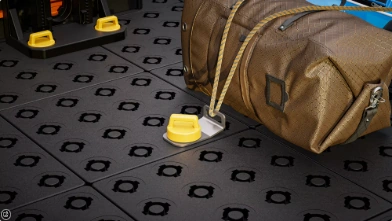
The problem every open truck bed has
An empty pickup bed is a flat, slick, oversized box. The moment a driver takes a corner, everything in it moves. Toolboxes slide into tailgates. Coolers tip. A single unsecured case can travel the full length of an 8-foot bed and hit the bulkhead hard enough to dent it.
The market’s existing answers all have a catch. Cargo bars divide the bed once, in one direction, and do nothing for a small item sitting alone in a large space. Cargo nets stretch over a load but don’t hold anything in position. Drawer and slide-out systems solve it properly but cost four figures and permanently eat bed height.
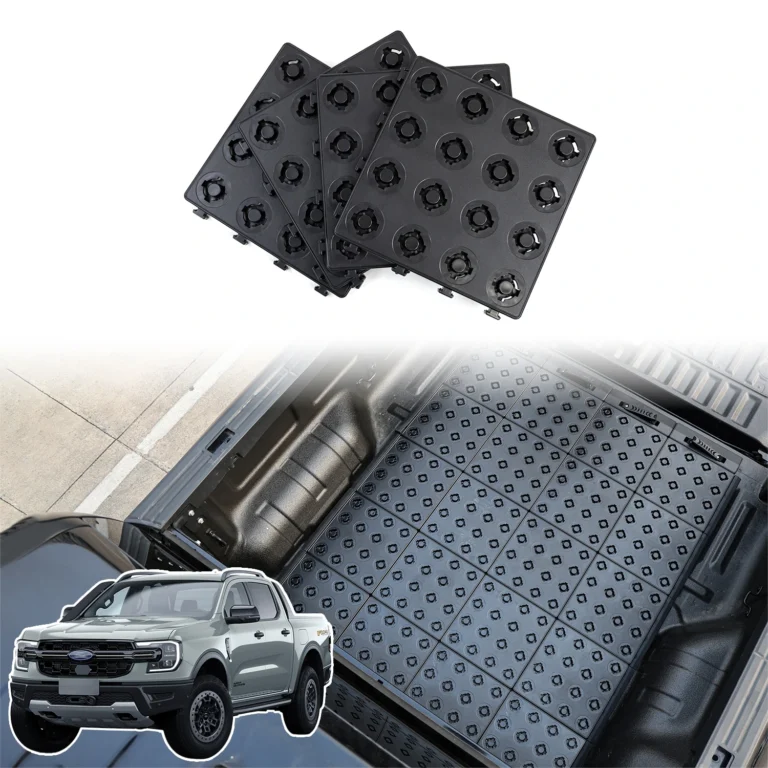
This system takes a different approach: turn the bed floor itself into an anchor surface.
interlocking truck bed panels · modular truck bed organizer · truck bed cargo blocks ·
wholesale truck bed organizer · truck bed grid panel system
How this truck bed cargo management system works
Three components, no tools.
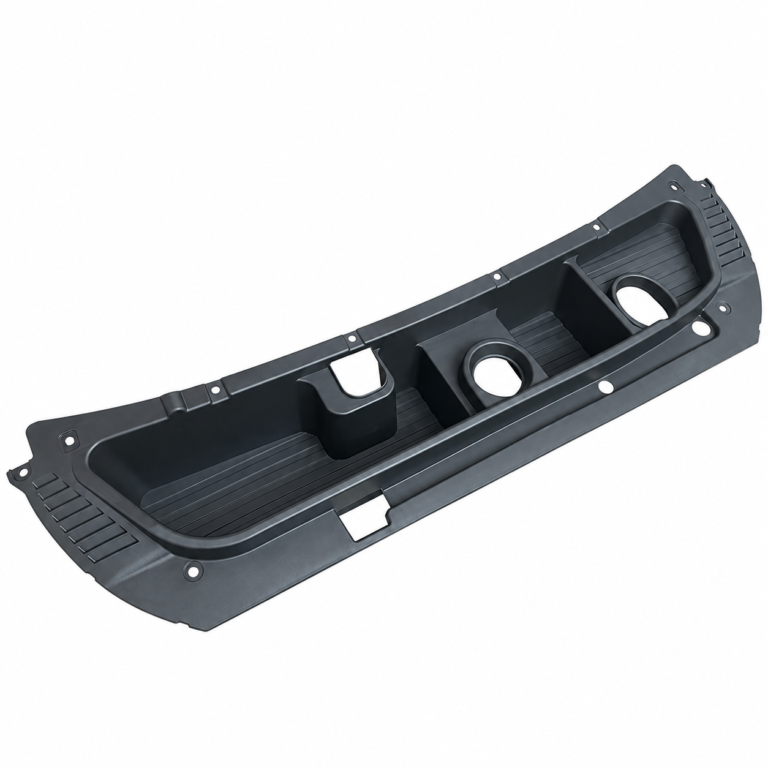
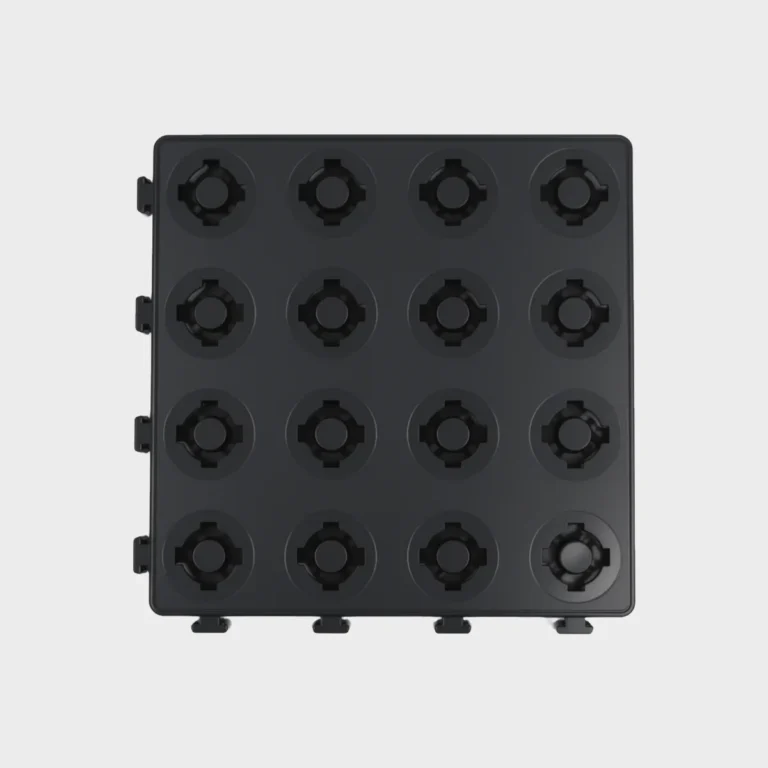
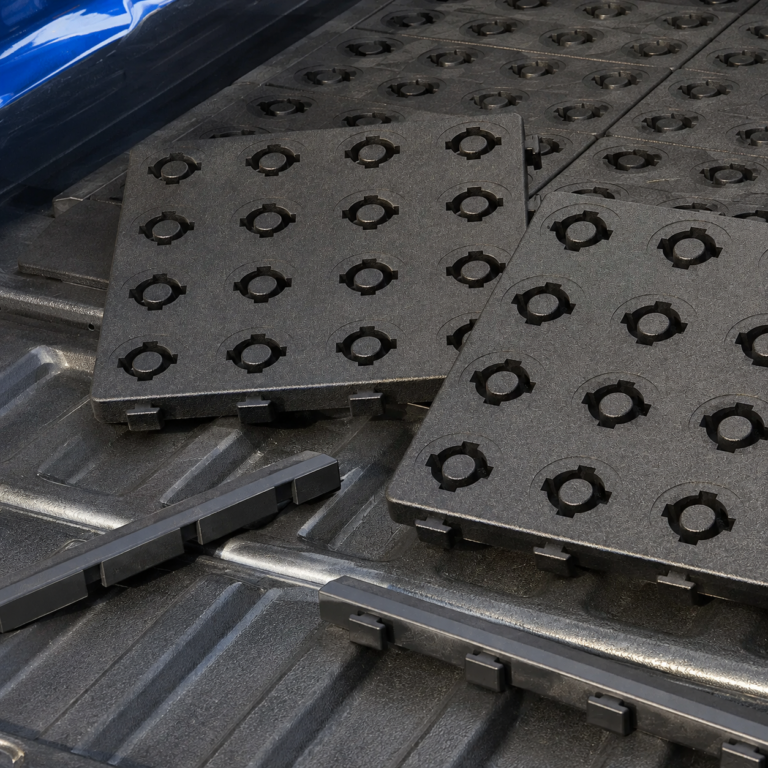
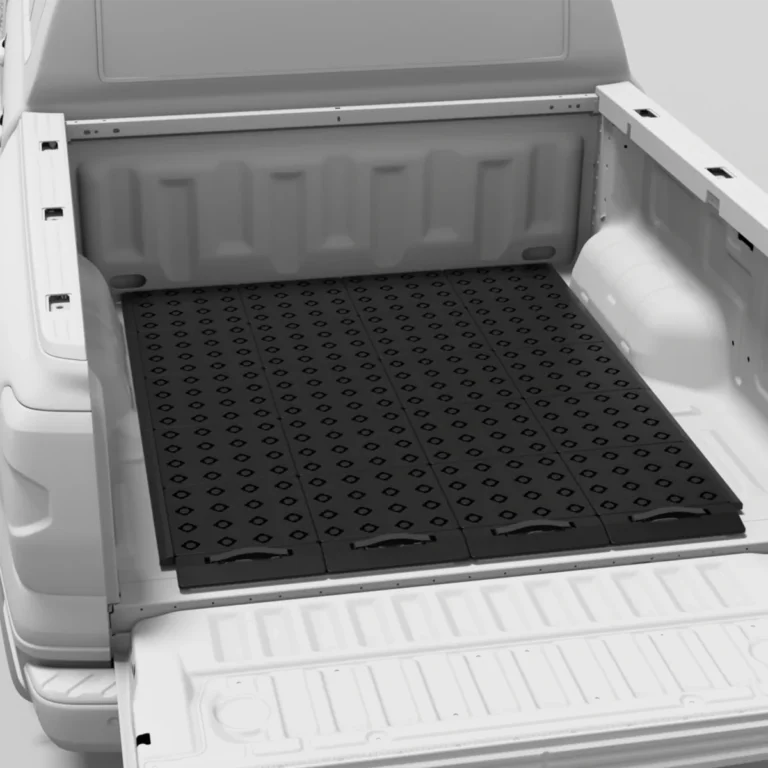
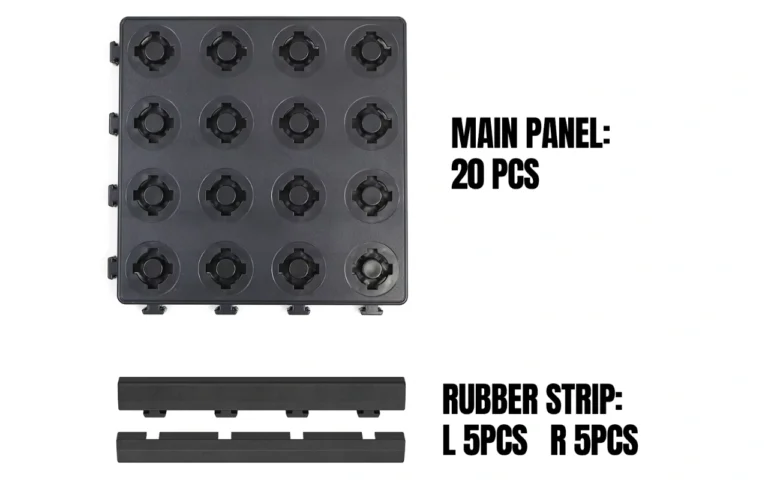
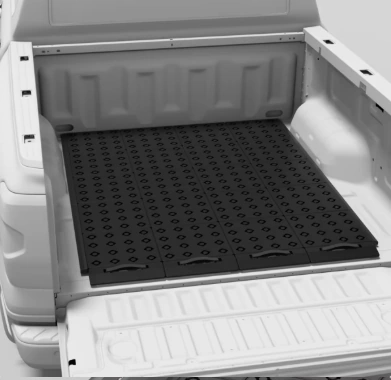
1 — Interlocking panels. Each panel connects to its neighbors on all sides, tiling into a continuous floor across the bed. The top face is a repeating slot grid.
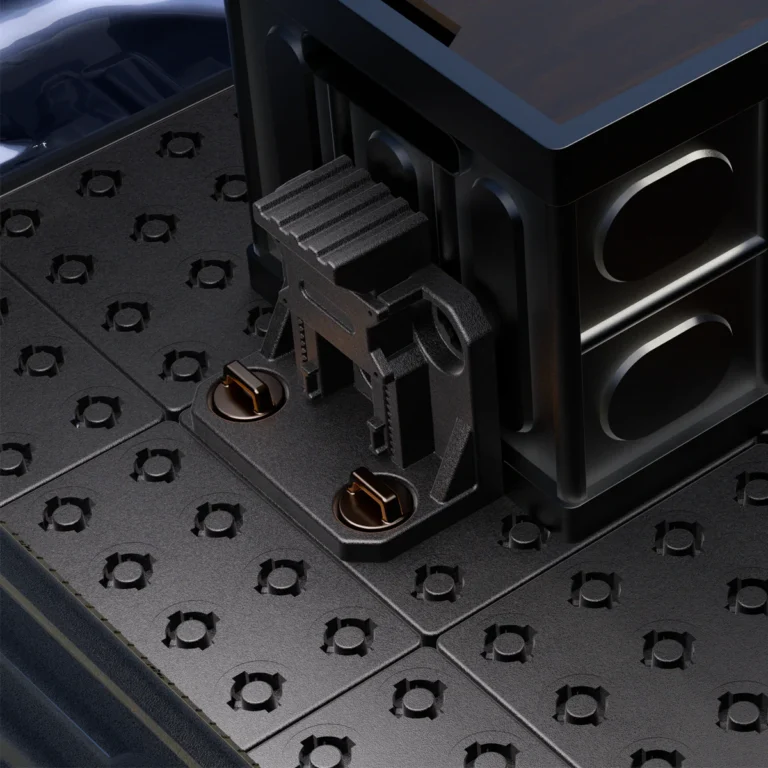
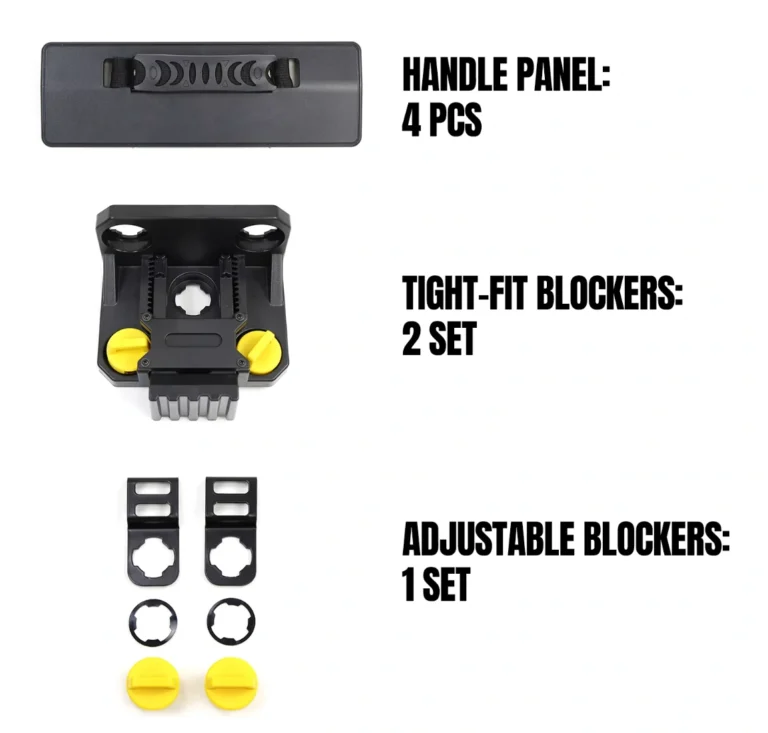
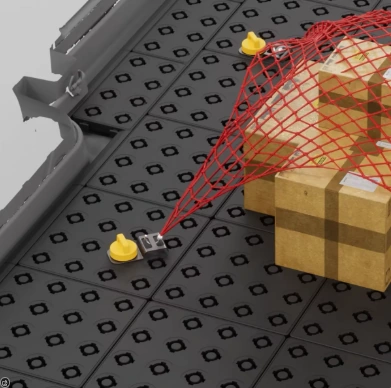
2 — Adjustable blockers. Blockers drop into any slot position in that grid. Put four around a toolbox and the toolbox cannot move. Move the blockers, and the compartment moves with them.
3 — Reconfiguration in seconds. The layout is not fixed at install. A crew that hauls tool cases on Monday and camping gear on Saturday rebuilds the compartments in under a minute, without removing anything from the truck.
Installation requires no drilling, no bolts, and no modification to the bed or the liner. The assembled floor lifts out whenever the bed is needed empty.
Panel count scales to the bed — not the other way around
This is where this system differs structurally from the fixed-kit products already on the market.
Most grid systems are sold as bed-length SKUs: a 5.5 ft kit, a 6.5 ft kit, an 8 ft kit, each with a locked panel count. If a customer’s bed is an odd size, or they only want to cover the front two-thirds, or they’re outfitting a service body or a trailer instead of a pickup, the fixed kit is either wasteful or doesn’t fit.
One product line therefore covers every pickup on the road — Ford F-150 and Ranger, Chevrolet Silverado, GMC Sierra, RAM 1500, Toyota Tacoma and Tundra, Nissan Frontier, Jeep Gladiator, and compact trucks like the Maverick and Santa Cruz — plus SUV cargo areas, cargo vans, campers and enclosed trailers. There is no vehicle-specific tooling and no fitment SKU to get wrong.
Built for resale
MOQ 10 sets. Low enough for a truck accessory shop, an installer, or a regional distributor to stock the line without committing to a container.
Flat-pack shipping. Panels nest. Freight cost per unit stays sane, which is the failure point of most bed-storage products at this price.
Simple SKU logic. Panels, blockers and connector strips are the only line items. No fitment matrix to maintain, no dead stock in the wrong bed length.
No installation service required. Because it drops in without drilling, a shop can sell it over the counter. That changes the economics versus drawer systems, which need an install bay and labor hours.