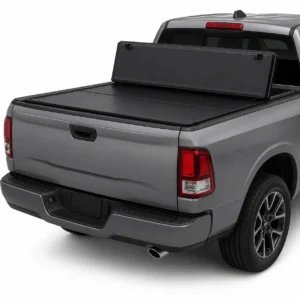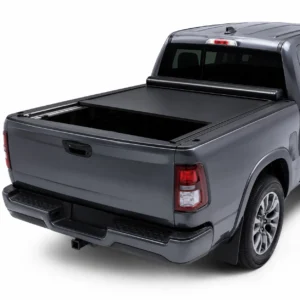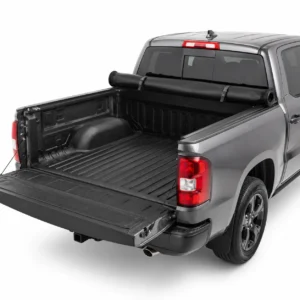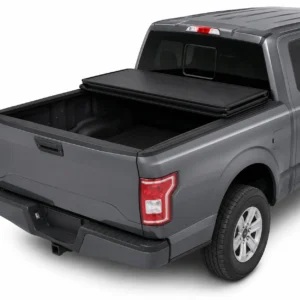

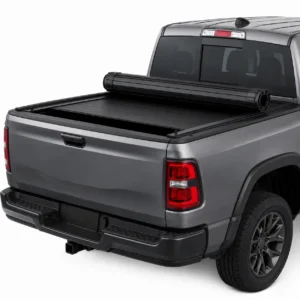
Hard Roll-Up Tonneau Covers
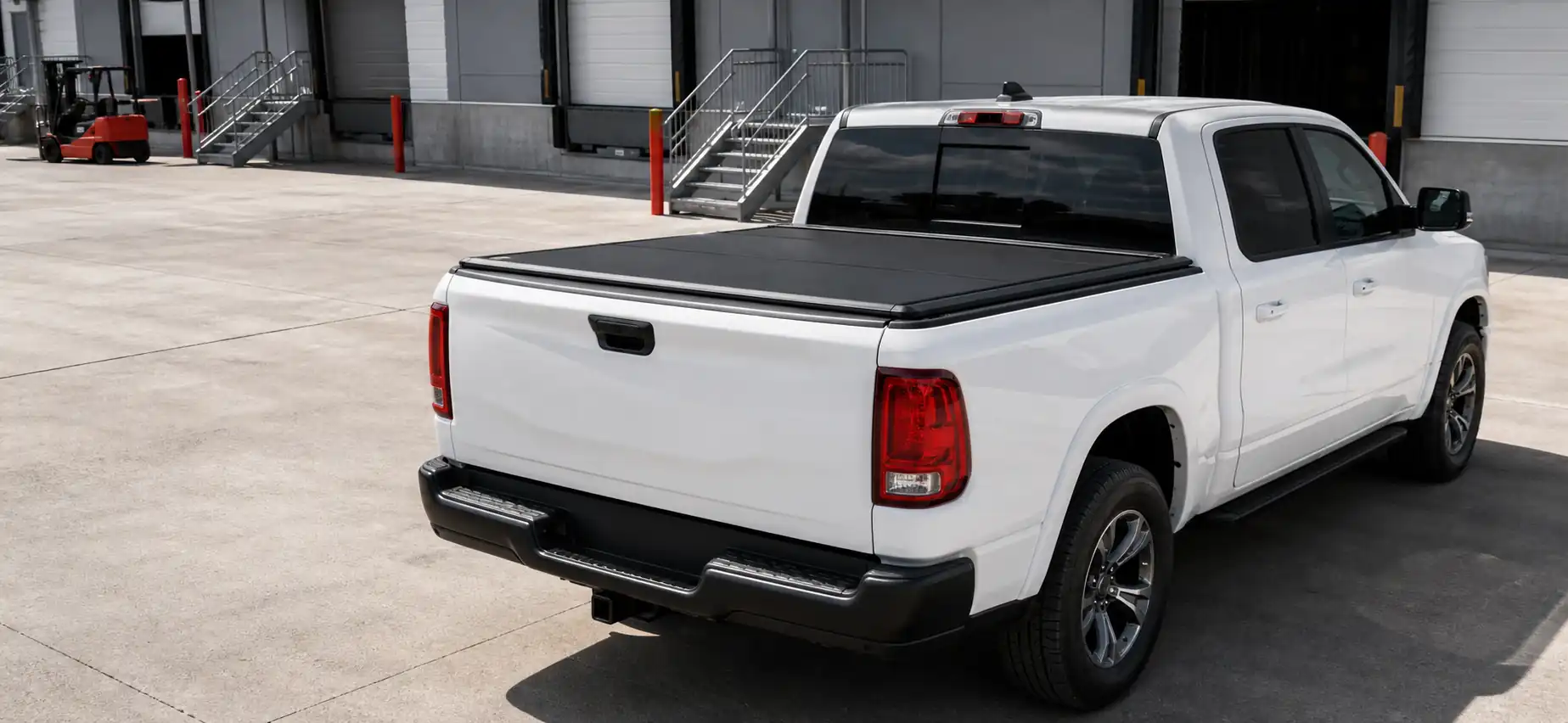
Hard roll-up tonneau covers use rigid slat construction with roll-up bed access. They are suitable for buyers who need stronger structure than soft covers while keeping flexible cargo access for daily pickup use.
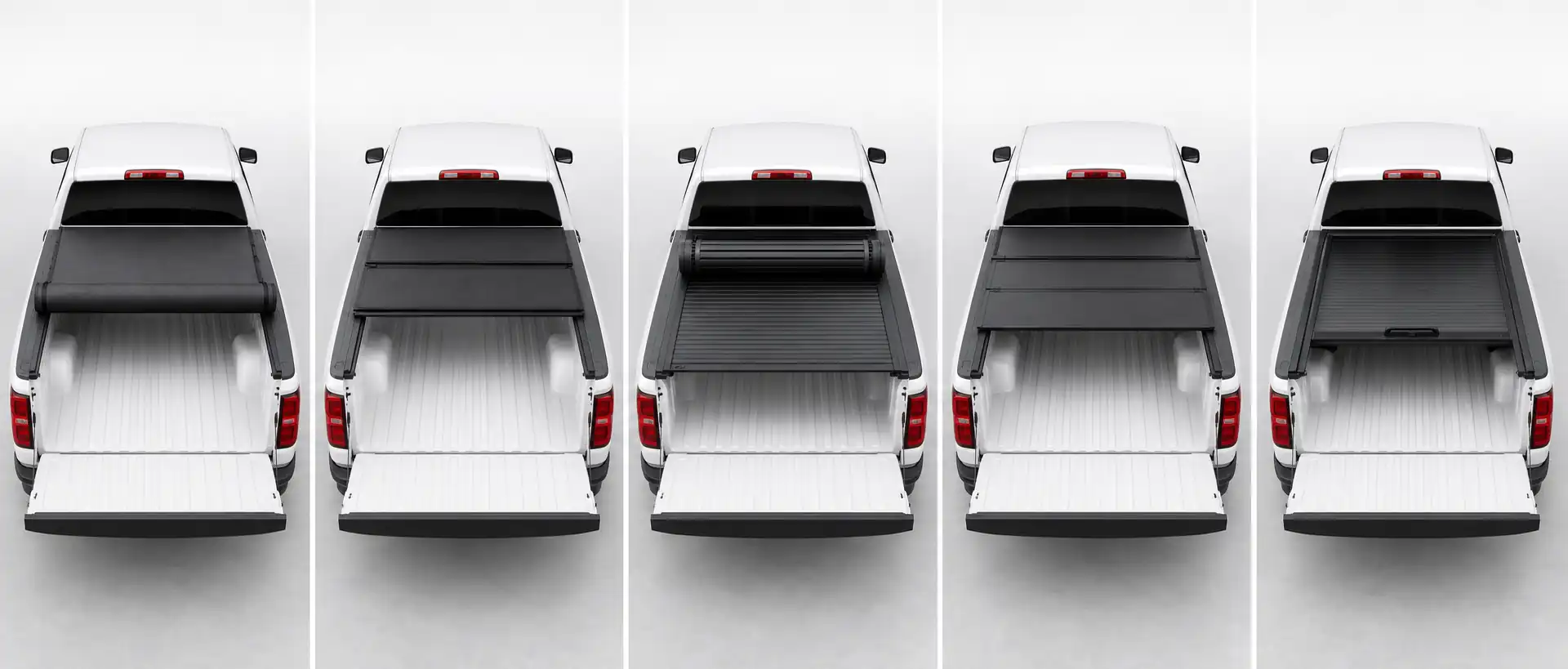
Yirox helps distributors, importers, ecommerce sellers and private-label brands source vehicle-specific pickup tonneau covers, including soft roll-up, soft tri-fold, hard roll-up, hard tri-fold, sliding or retractable, and hinged truck bed covers.
A product photo is not enough for an accurate quote. Buyers usually need to confirm pickup model, year, bed length, cab type, cover type, rail structure, sealing expectation, hardware kit, packing requirements and OEM/ODM needs before comparing price.
Each pickup tonneau cover type changes the buyer's price band, installation expectation, packaging risk, freight cost and after-sales pressure. Start by choosing the cover system first, then confirm vehicle fitment, bed length, hardware kit, sealing expectation and private-label requirements.

Hard roll-up tonneau covers use rigid slat construction with roll-up bed access. They are suitable for buyers who need stronger structure than soft covers while keeping flexible cargo access for daily pickup use.

Hard tri-fold tonneau covers are a popular premium option for pickup accessory programs. The folding operation is easy to understand, making this type useful for wholesale catalogs, retail displays and private-label product lines.

Sliding tonneau covers, including retractable-style cover systems, are designed for higher-end pickup accessory channels. They usually involve rails, slats and a more complex opening structure, so quotation review should be more detailed.

Soft roll-up tonneau covers are lightweight and price-friendly options for entry-level retail, ecommerce and fast-moving pickup accessory programs. They are often selected when buyers need broad vehicle coverage and practical shipping cost control.

Soft tri-fold tonneau covers balance simple installation, lower freight weight and practical truck bed protection. This type is useful for buyers who want an easy-to-understand folding cover without the cost and packaging pressure of hard tri-fold systems.
For distributors, wholesalers, pickup accessory retailers and private-label buyers, a sellable tonneau cover range starts with truck bed fitment, cover type, sealing expectation, hardware-kit consistency and packaging protection.

A pickup tonneau cover is a truck bed cover used to protect cargo, improve privacy, support daily pickup utility and create a cleaner finished appearance. In B2B sourcing, it should be treated as a vehicle-fitment product, not only a truck accessory photo. Buyers need to confirm pickup model, year, bed length, cab type, cover type, rail structure, sealing expectation, hardware kit and packaging requirement before comparing quotations.
Different tonneau cover types create different price bands, installation expectations, packaging risks and after-sales responsibilities. Buyers should compare the cover system before confirming vehicle fitment, material, hardware kit and private-label details.
| Cover Type | Best For | Price Band | Key Review Points | Common Sourcing Risks |
|---|---|---|---|---|
| Hard Roll-Up Tonneau Covers | Premium roll-up programs that need rigid slats and flexible bed access. | Mid to high | Slat material, rolling radius, rail structure, rear latch, side seals and scratch protection. | Slat scratches, rail bending, rolling resistance, latch misalignment and freight damage. |
| Hard Tri-Fold Tonneau Covers | Mainstream premium retail, wholesale and private-label truck accessory programs. | Mid to high | Panel flatness, hinge sealing, clamp quality, latch alignment, folded-stack stability and carton strength. | Panel dents, hinge leakage complaints, uneven gaps, missing clamps and surface scratches. |
| Sliding Tonneau Covers | Higher-ticket pickup accessory channels, premium distributors and project-based sourcing. | High | Rail parallelism, slat movement, drainage route, canister or stack-space design, latch reliability and service parts. | Drainage complaints, rail alignment issues, slat jamming, difficult installation and higher freight protection needs. |
| Soft Roll-Up Tonneau Covers | Entry-level retail, ecommerce, broad SKU coverage and price-sensitive wholesale programs. | Lower | Fabric thickness, tension system, rail straightness, rear latch feel, clamp kit and carton protection. | Fabric sagging, highway flapping, crease marks, weak latch feel and unrealistic waterproof claims. |
| Soft Tri-Fold Tonneau Covers | Lightweight folding cover programs with simple installation and lower product complexity. | Lower to mid | Frame alignment, fabric tension, hinge durability, clamp quality, rear seal position and instruction clarity. | Loose fabric, weak frame support, unstable folding feel, clamp complaints and water-entry expectations. |
Each cover type changes price band, freight weight, customer expectation, return risk and private-label positioning.

Lightweight and price-friendly for entry retail or ecommerce ranges. Review fabric tension, rear latch feel, side rail straightness and carton protection against fabric creases.
Simple folding operation with lower weight than hard covers. Review hinge durability, frame alignment, clamp quality and folded-stack stability.
Rigid slats with roll-up access. Confirm slat material, rolling radius, joint durability, rear seal design and scratch protection during shipment.
Popular for distributors and retail displays because buyers understand the folding operation quickly. Review panel flatness, hinge sealing, latch alignment and carton strength.
Premium opening feel with rails, slats and often a canister. Confirm rail parallelism, drainage route, bed-space loss, latch reliability and service-parts planning.
Material choice should be linked to the buyer's sales channel, installation expectation and return-risk tolerance.
| Material / Component | Where It Appears | B2B Review Point | Common Risk |
|---|---|---|---|
| Vinyl / PVC-coated fabric | Soft roll-up and soft tri-fold covers | Fabric thickness, surface texture, edge stitching and tension system | Sagging, crease marks, edge failure or highway flapping |
| Aluminum panels or slats | Hard tri-fold, hard roll-up and sliding covers | Panel flatness, coating, slat joints, weight and scratch protection | Dents, surface scratches, panel gaps or freight damage |
| FRP / composite panels | Selected hard cover projects | Surface finish, weight, rigidity and panel consistency | Uneven surfaces or unexpected weight and packing requirements |
| Rubber seals | Side rails, tailgate edge and front bed area | Seal compression, corner position and aging resistance | Water entry at rail joints or tailgate gaps |
| Rails, clamps and hardware | Most clamp-on tonneau cover systems | Rail length, clamp force, accessory-kit completeness and instructions | Fitment mismatch, missing hardware or installation complaints |
Truck bed length, rail condition, bed liner and added accessories can change the way the cover sits, seals and clamps.
A useful quote brief reduces wrong SKU planning, unclear sealing expectations and avoidable packaging disputes. Send the details below so Yirox can review product and order requirements by project.
Tonneau cover sourcing should use project-confirmed documents rather than unsupported claims. Buyers can ask for product specifications, packing details, available test references, inspection scope and sample photos when the exact order is confirmed.

The workflow helps both sides reduce fitment, packaging and expectation risk before the order moves forward.
Quality wording should stay practical: review points, test references and project-based document checks, not broad promises.
| Review Point | Purpose | Buyer Risk Reduced |
|---|---|---|
| Bed rail fitment check | Confirm rail length, clamp position and installation points. | Wrong fitment, return cost and installer complaints. |
| Panel flatness or fabric tension | Review hard cover surface, soft cover tension and closed-cover appearance. | Noise, sagging, fluttering or customer disappointment. |
| Hinge, latch and lock function | Check folding, locking, rear latch reach and repeated operation. | Difficult installation, unstable closure or service-parts demand. |
| Seal compression and drainage path | Review rail edge, tailgate gap, front bed area and drain tube routing. | Water-management complaints and unrealistic waterproof expectations. |
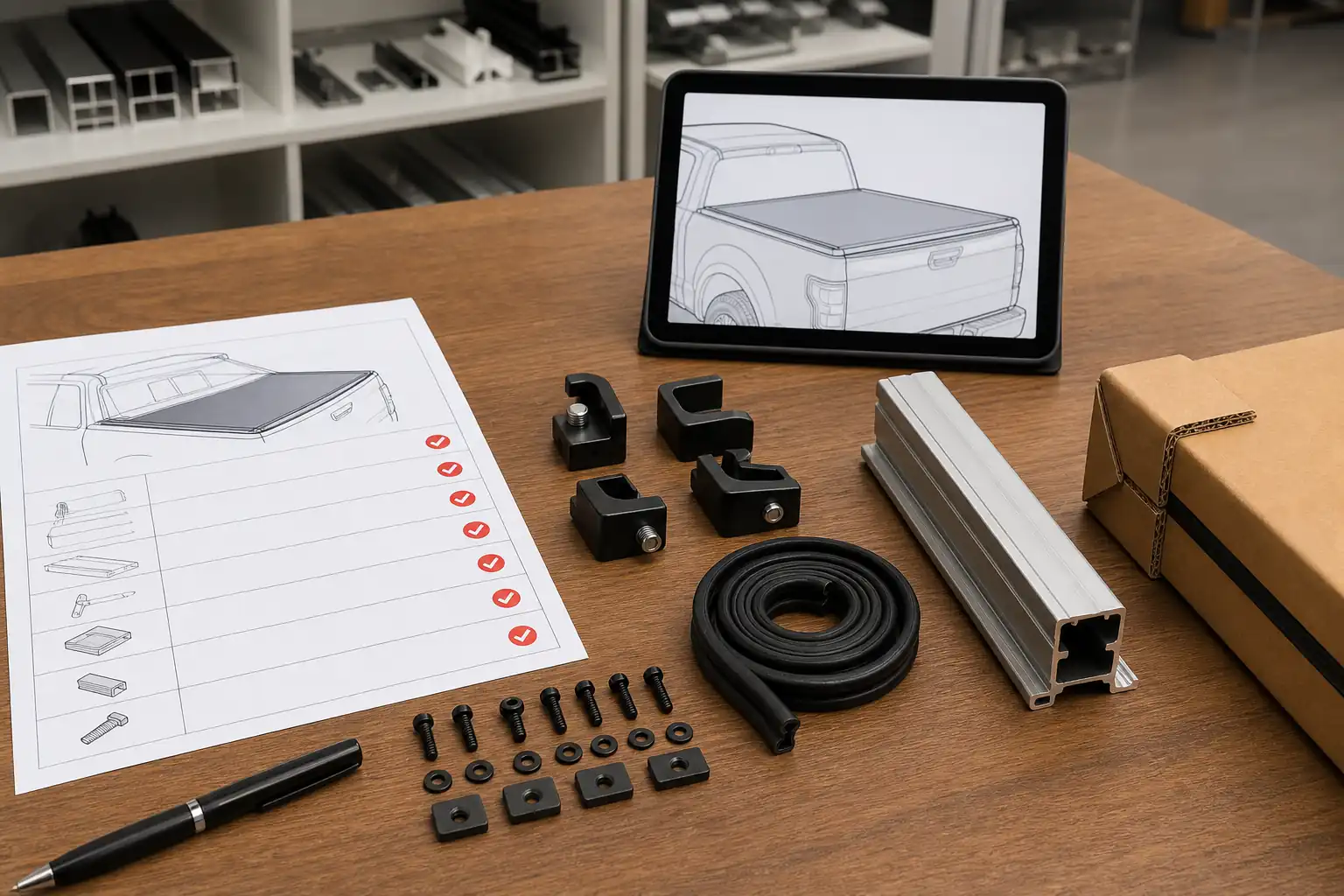
| Hardware kit check | Confirm clamps, bolts, washers, straps, keys, end caps and instructions. | Missing parts and delayed installation. |
| Carton and surface protection | Review long rail packaging, panel corner protection and anti-scratch layers. | Freight damage, panel dents, rail bending and open-box complaints. |
Certification and test references should be confirmed for the exact project, order and destination market. Avoid claims such as certified for all markets, 100% waterproof, theft-proof or guaranteed fuel saving unless verified evidence exists.
The right product option depends on channel, installation environment, freight cost, return tolerance and customer expectation.
Prioritize SKU coverage by vehicle and bed length, carton protection, hardware-kit consistency and repeat-order communication.
Compare hard tri-fold, soft roll-up and soft tri-fold ranges by customer education, installation time and display value.
Focus on clear fitment charts, packaging strength, missing-part prevention and realistic water-management wording.
Review installation speed, service parts, latch reliability, weather resistance and cargo-use expectations by project.
Confirm cover type positioning, packaging design, instruction style, branding details, sample photos and document needs.
Balance price band, container planning, carton dimensions, market claims and after-sales risk before order confirmation.
Price-first sourcing can look attractive until fitment, water expectations, packaging and missing hardware create returns.
Private-label tonneau cover projects should be discussed after the buyer confirms cover type, target vehicle range, destination market, order quantity and packaging expectations. Branding feasibility, cost and timing can vary between soft roll-up, soft tri-fold, hard roll-up, hard tri-fold and sliding tonneau cover projects.
These items can usually be reviewed during an OEM or private-label tonneau cover discussion, depending on the exact product type, order plan and destination market.
These points should be confirmed by project instead of being treated as default promises across all pickup tonneau cover types.
Official company, OEM and compliance pages can guide the first conversation. Tonneau cover details still need project confirmation before final quotation.
Before comparing tonneau cover prices, buyers often need to clarify fitment, cover type, bed length, sealing expectations, packaging details and private-label requirements. These answers help distributors, importers and truck accessory sellers prepare a more useful inquiry and reduce avoidable quotation or after-sales issues.
A pickup tonneau cover is a truck bed cover used to protect cargo, improve privacy and support daily pickup utility. In B2B sourcing, it should be treated as a fitment, sealing, hardware and packaging product, not only an exterior accessory photo.
Buyers should send pickup make, model, year, cab type, bed length, destination market, cover type, bed liner condition, rail cap condition, packaging needs and private-label requirements.
There is no single best type for every buyer. Soft roll-up and soft tri-fold covers are often useful for price coverage, while hard tri-fold covers are common for premium retail programs. Sliding tonneau covers usually need more detailed project review.
Soft tonneau covers are usually lighter and more price-friendly. Hard tonneau covers offer stronger structure and higher perceived cargo protection, but they require more careful packaging, surface protection and freight planning.
Tonneau covers should normally be described as weather-resistant or water-management products. Pickup beds have tailgate gaps, rail joints and installation variables, so 100% waterproof claims should not be used without project-specific test evidence.
Bed length affects cover size, rail length, clamp position, carton size and SKU planning. Buyers should confirm bed length before quotation, sampling or bulk order planning.
Yes, private-label options can be discussed by project. Possible items include branded cartons, product labels, instruction files, warning labels, barcode labels and packaging layout, depending on order requirements and cover type.
Common review points include rail fitment, panel flatness, fabric tension, hinge function, latch alignment, seal compression, drainage route, hardware-kit completeness and carton protection.
Buyers should confirm rail protection, panel corner protection, anti-scratch layers, fabric crease prevention, hardware-kit packing, carton labeling, barcode needs and destination-market language requirements.
Buyers can request project-based product specifications, packing details, inspection scope, sample photos, installation instruction files and available test or compliance references when verified for the exact order.
Share the target pickup models, bed lengths, cover type, material preference, sealing expectation, hardware kit, packaging needs, destination market and private-label requirements. Yirox can then review the quotation details, document needs and order requirements by project.
Tell us your packaging needs — our team will respond quickly with tailored solutions and competitive pricing.