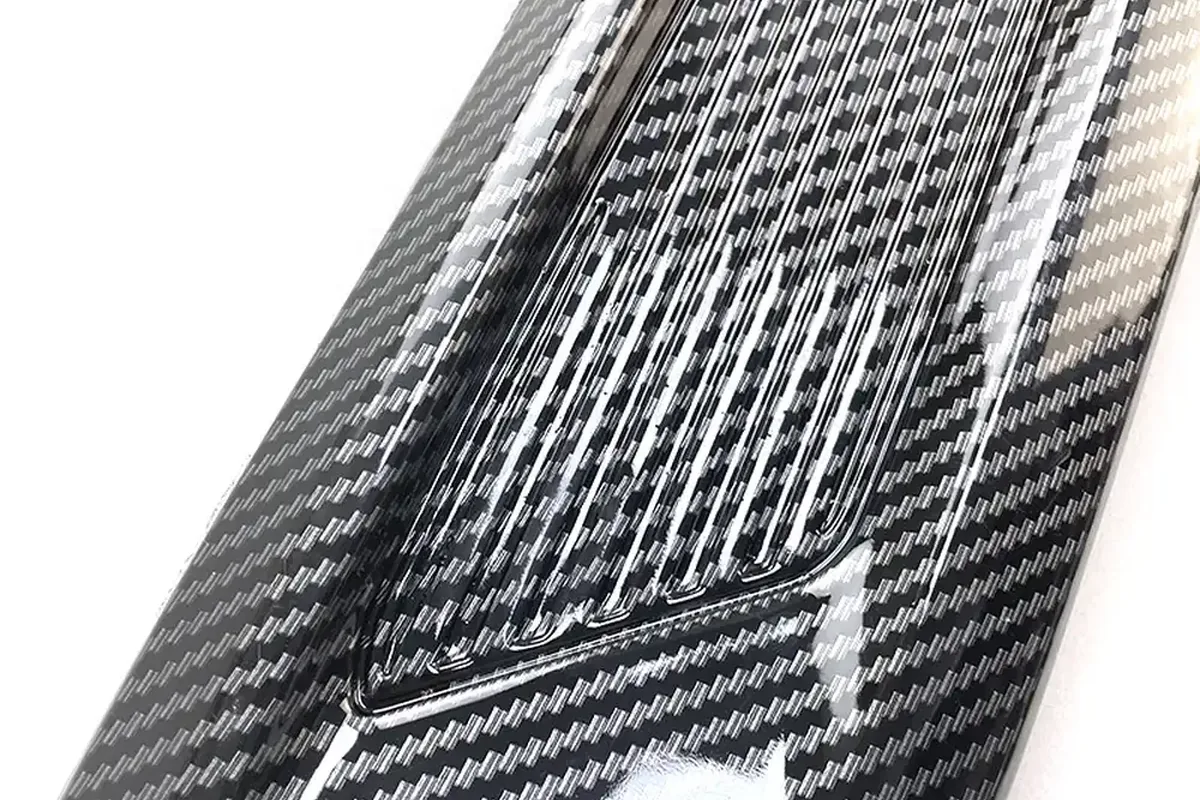
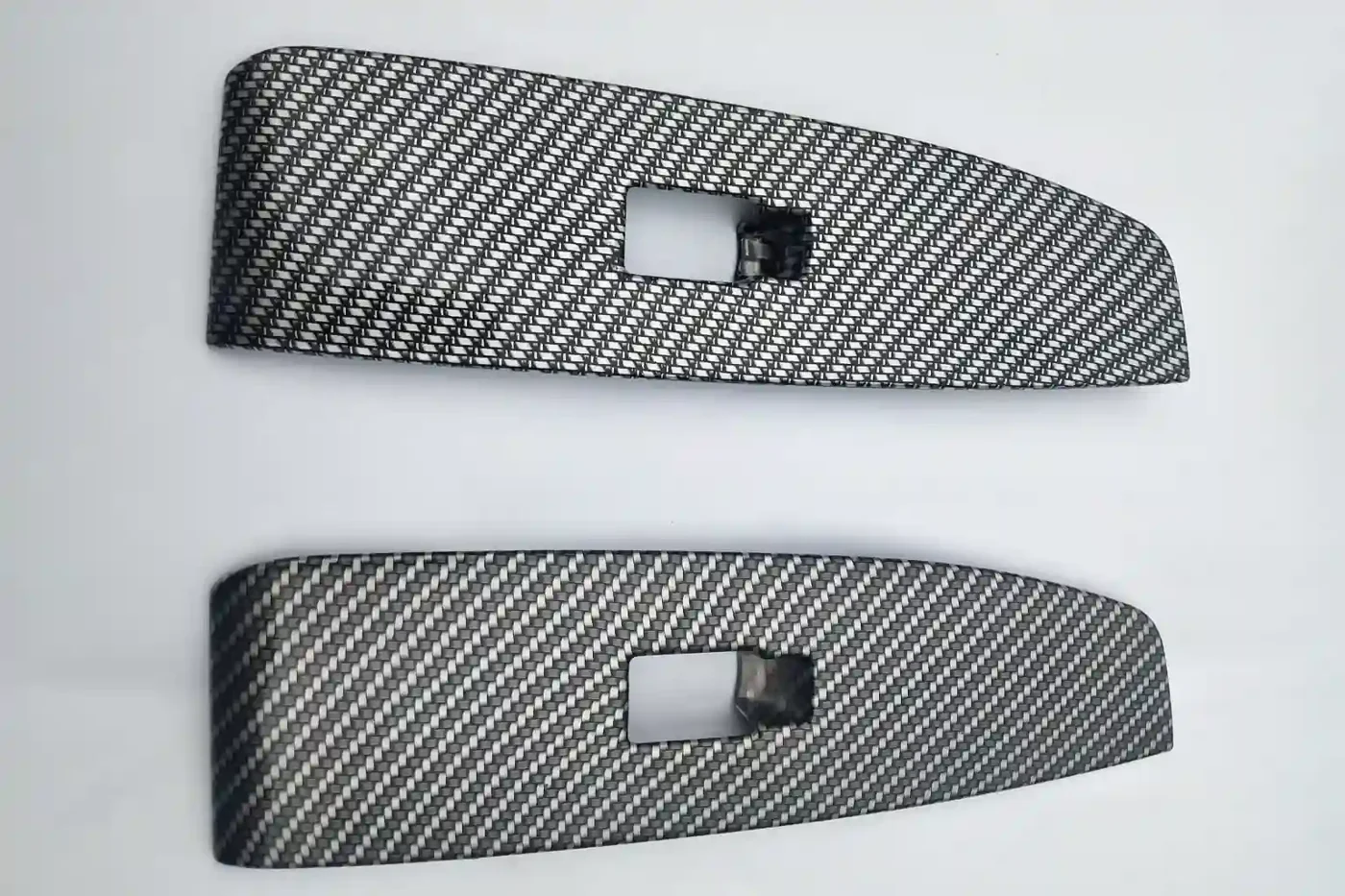
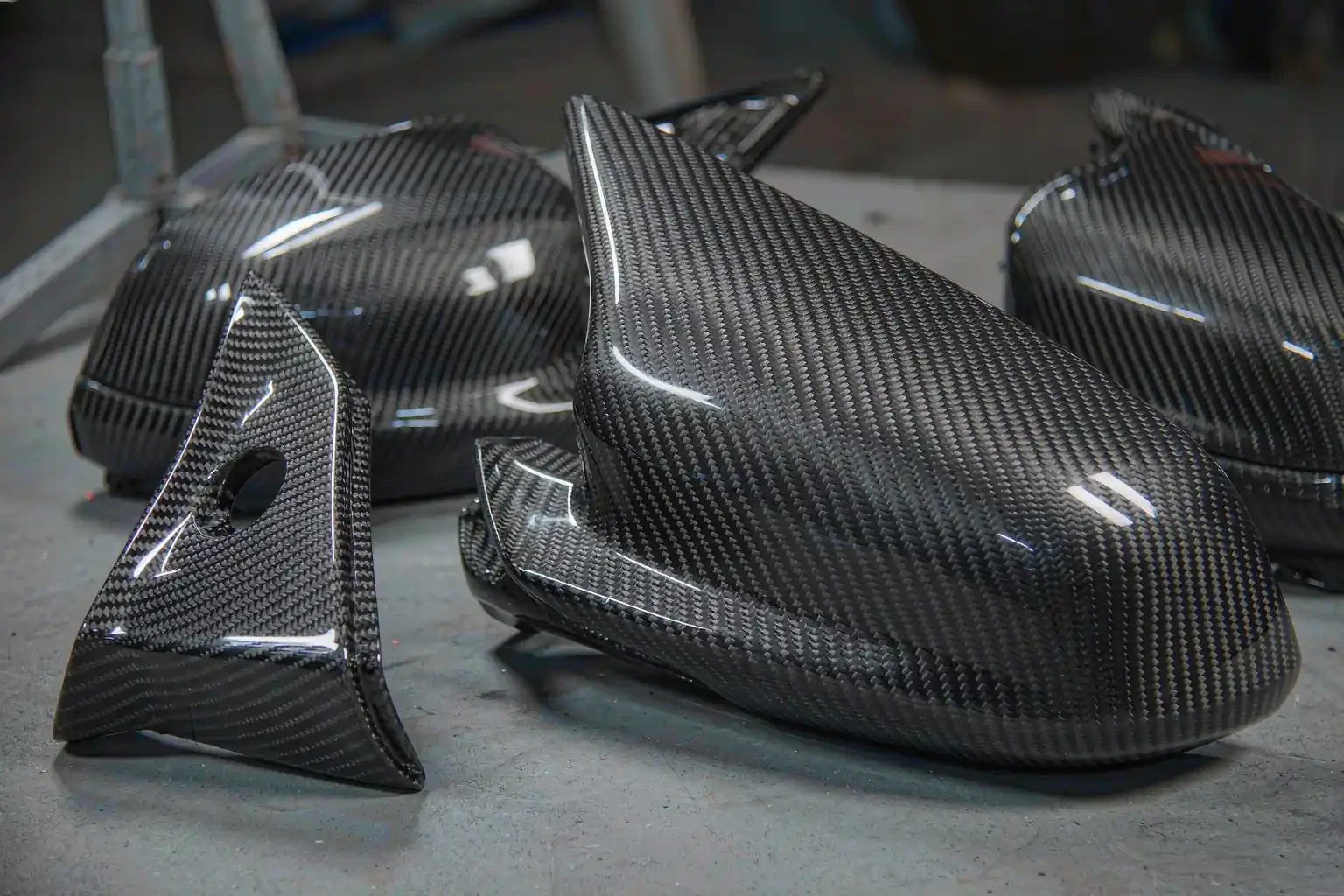
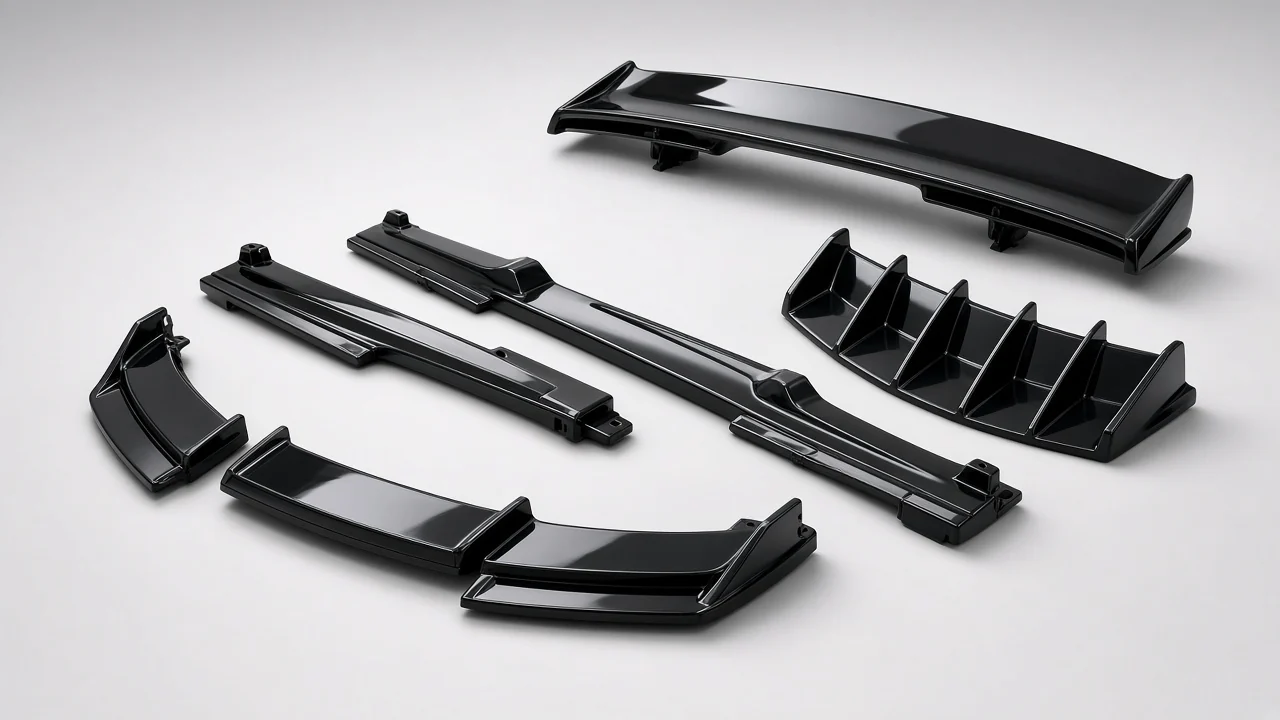
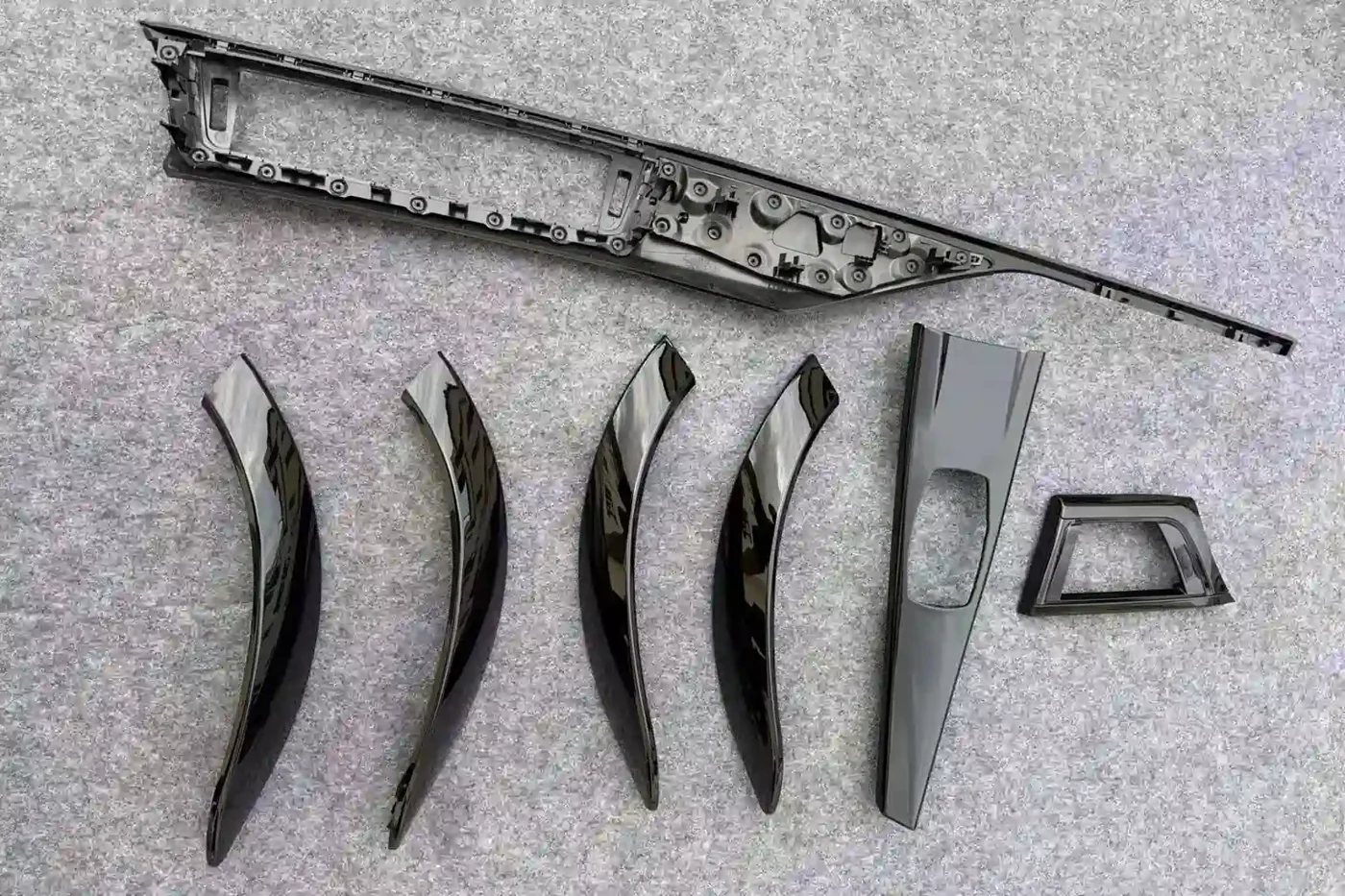
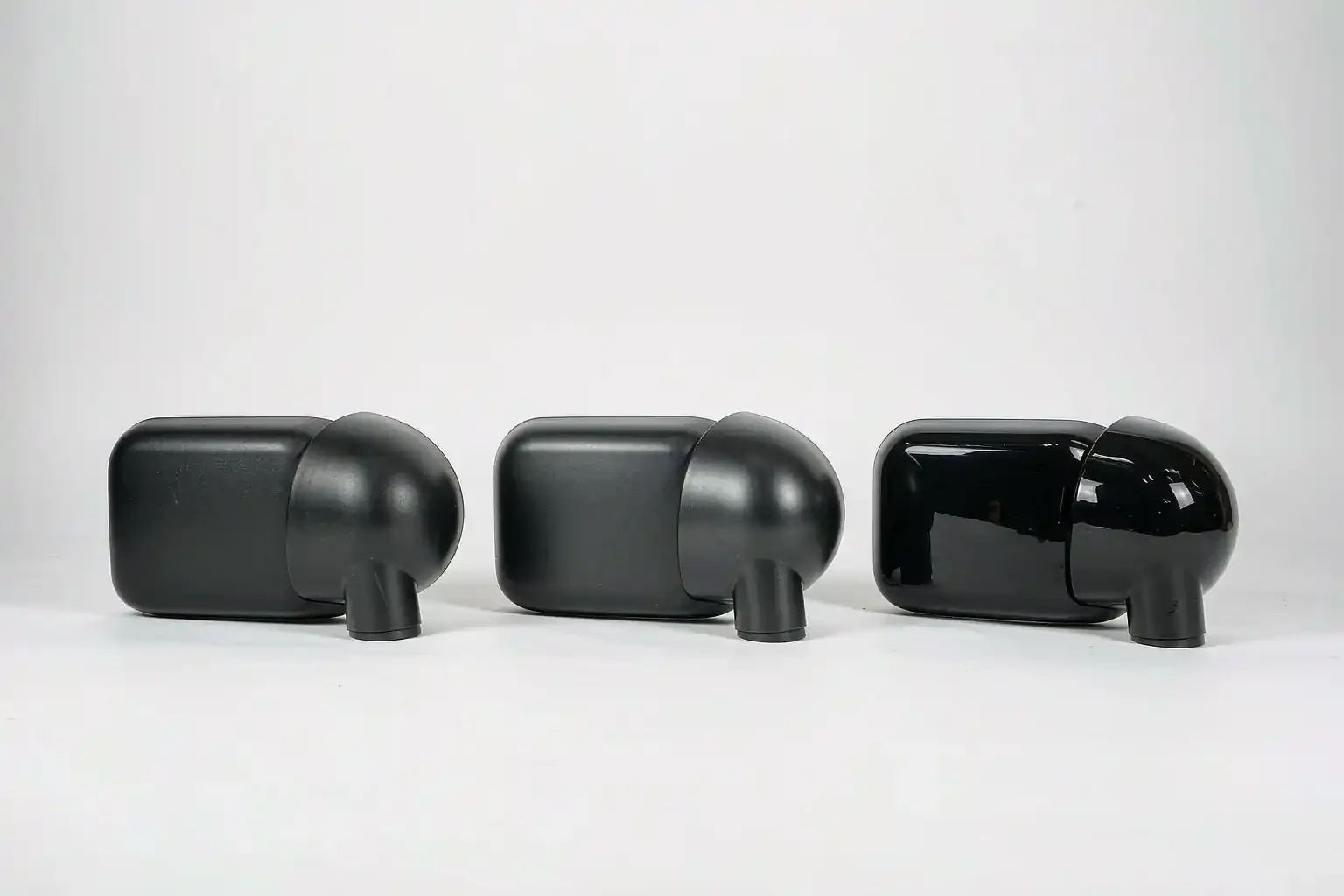
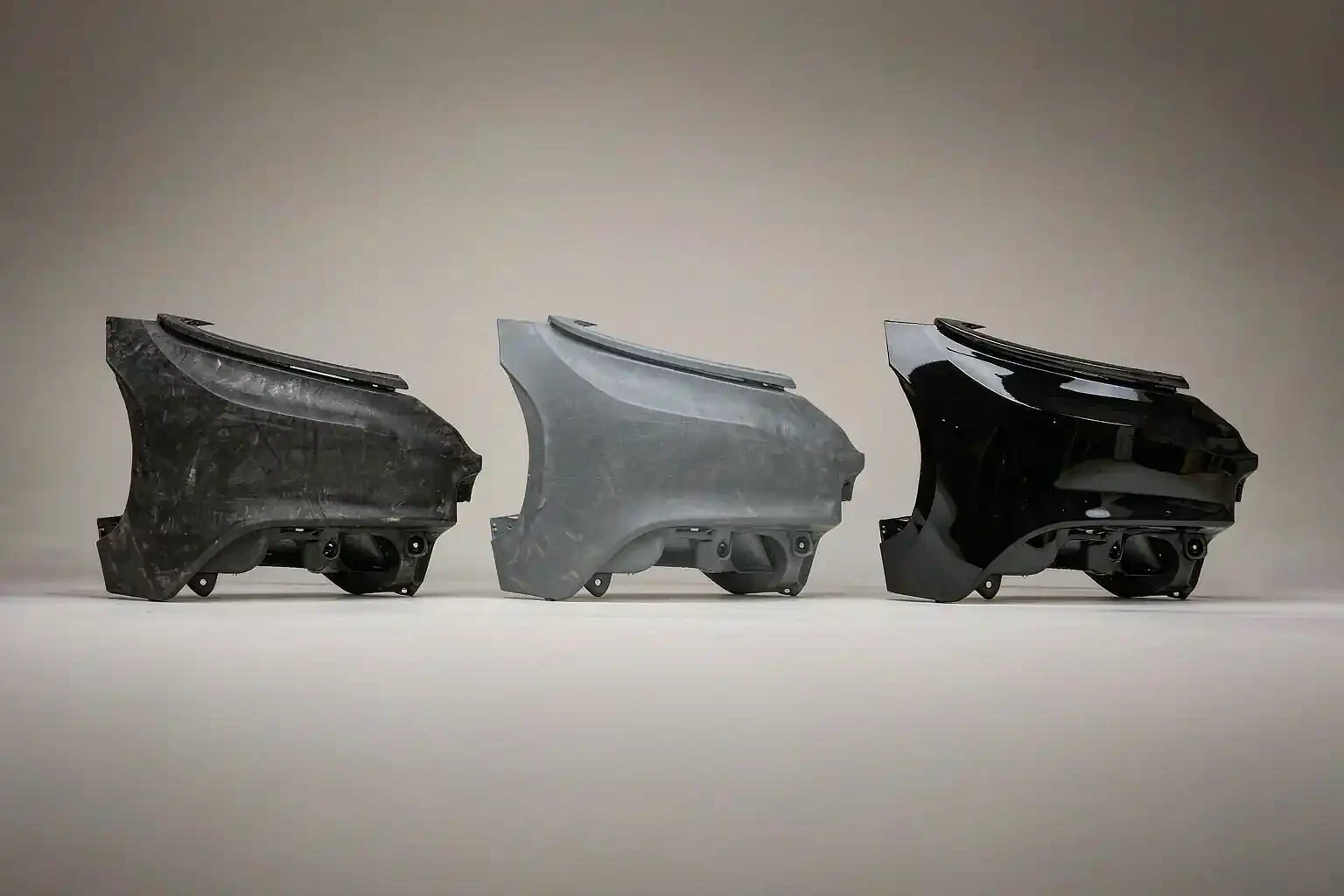
A carbon fiber look gives plastic parts a carbon fiber pattern at a fraction of the cost of real carbon. Yirox offers three routes: water transfer printing with UV-cured clearcoat, in-mold decoration or film lamination for large stable orders, and real carbon fiber parts through partner composites factories.

| Route | How it is made | Look | Cost | Best for |
|---|---|---|---|---|
| Water transfer printing | Printed carbon pattern film applied in a water tank, then clearcoat | Realistic carbon pattern, gloss or matte | Low to medium | Complex curved parts such as fenders and mirror caps |
| IMD / IML or film lamination | Film placed in the mold or laminated after molding | Very consistent pattern | Medium | Large, stable orders |
| Real carbon fiber (partner) | Prepreg, hand lay-up or RTM at partner composites factories | Best look and feel | High, with higher tooling cost | Premium custom projects, larger order quantities |
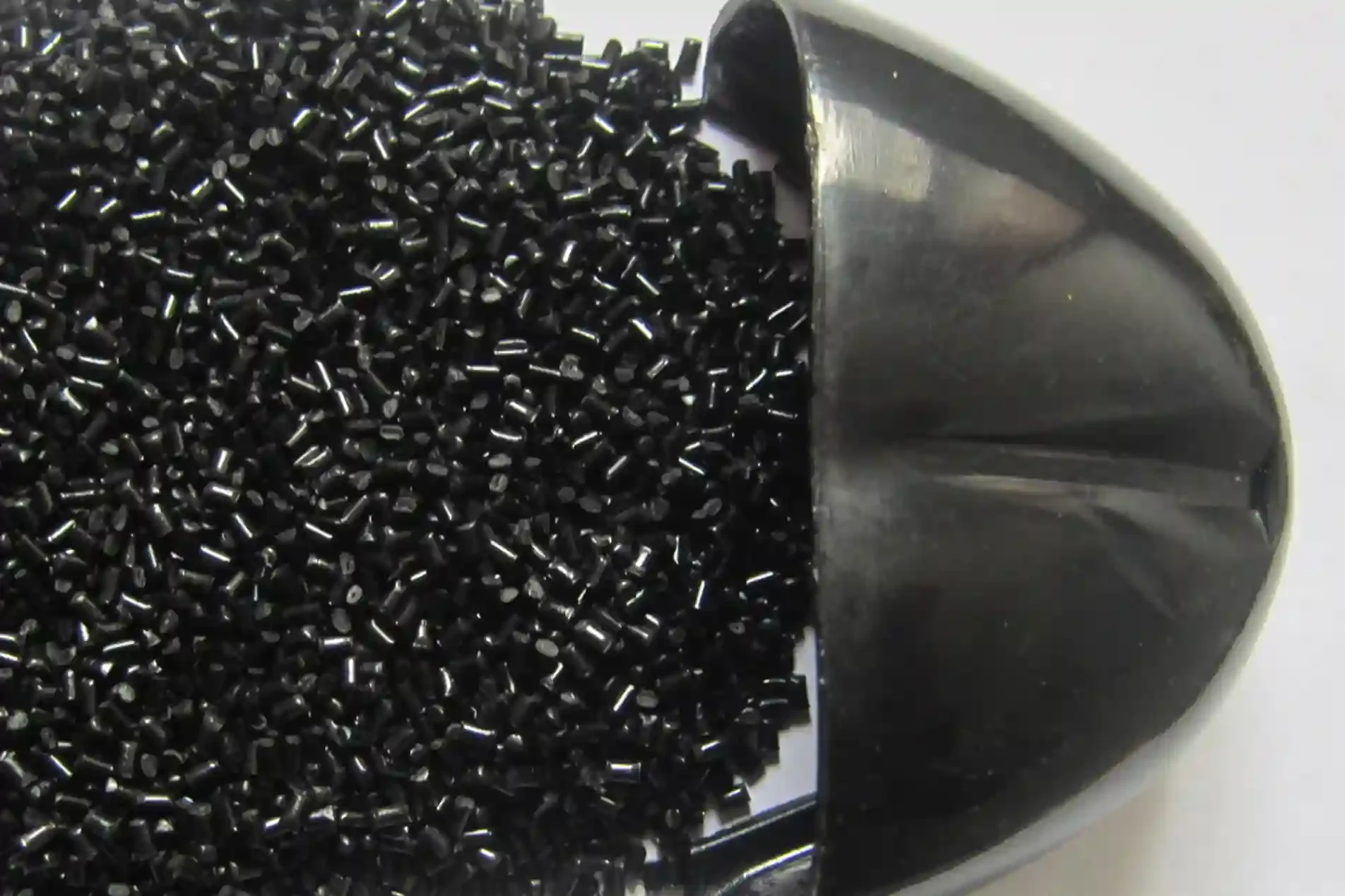
A carbon fiber look is a decorative finish that reproduces the woven pattern of carbon fiber, usually a 2×2 twill, on a molded plastic part. The part underneath is ABS, PC/ABS or primed PP, so it keeps the cost, weight and repeatability of injection molding.
Real carbon fiber parts are made from carbon fiber fabric and resin, which gives high stiffness and a genuine three-dimensional weave, but at much higher cost.

Hydro dipping, also called water transfer printing or hydrographics, transfers a printed pattern onto a three-dimensional part. A printed film is floated on water, an activator dissolves the film into a floating ink layer, and the part is dipped through it so the ink wraps around the surface. After rinsing and drying, a clearcoat is applied for depth and protection.

It is the most common way to make a carbon fiber pattern on plastic exterior parts, because it follows complex curves such as fenders, mirror caps and spoilers.
The part is cleaned and painted with a base coat; PP and TPO parts are primed first.
The carbon pattern film floats on water and is activated into an ink layer.
The part is dipped through the ink layer, which wraps the surface.
Film residue is rinsed off and the part is dried.
A gloss or matte clearcoat is applied; UV-cured clear is our standard.
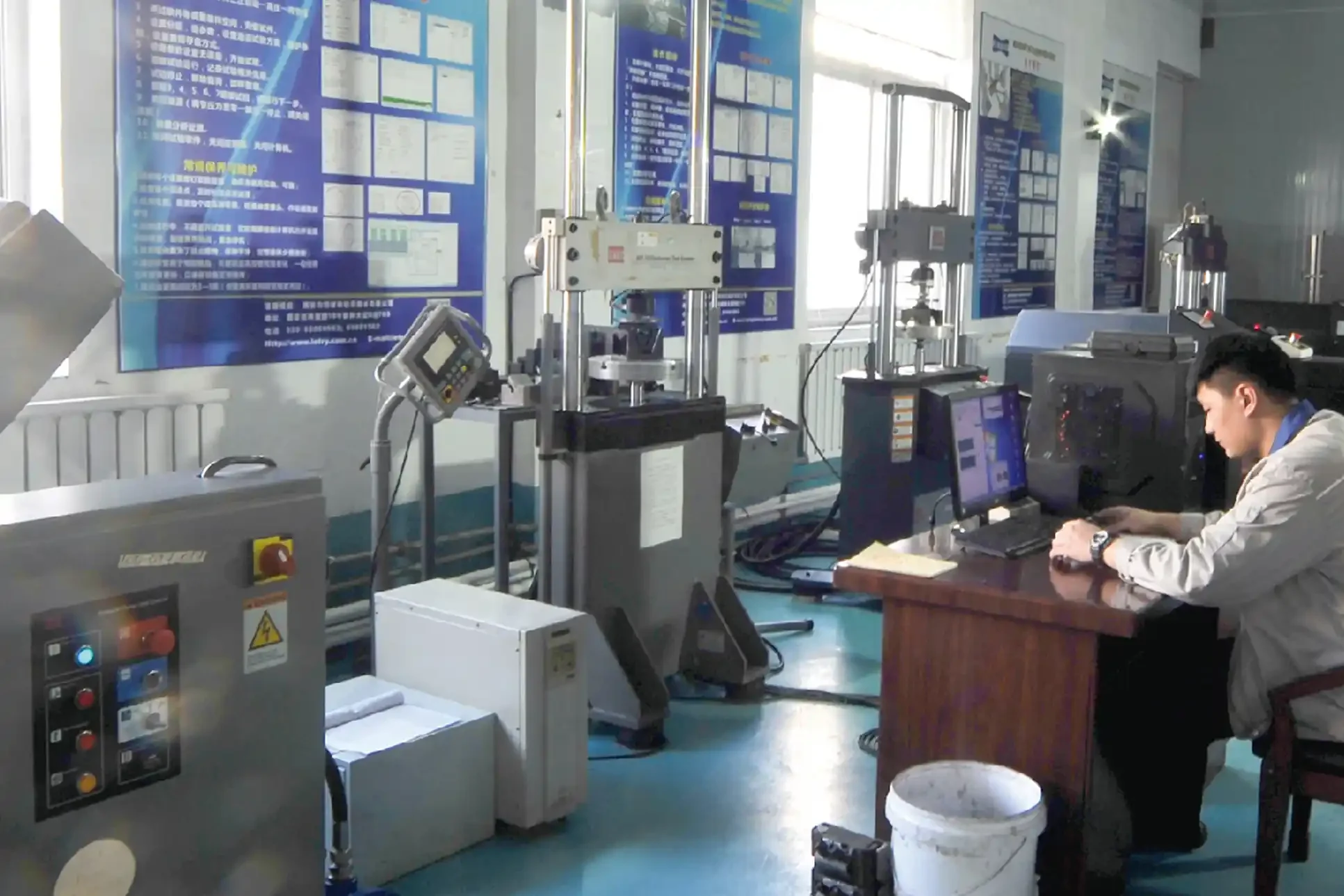
Pattern alignment, gloss and adhesion are checked.
The printed ink layer is thin, so the clearcoat carries the durability. Our standard carbon pattern parts use a UV-cured clearcoat, which gives a hard, scratch-resistant and weather-resistant surface. The clear can be gloss or matte. Adhesion is checked by cross-hatch, and weathering tests such as QUV or xenon arc are run by accredited outside labs when your specification requires them.

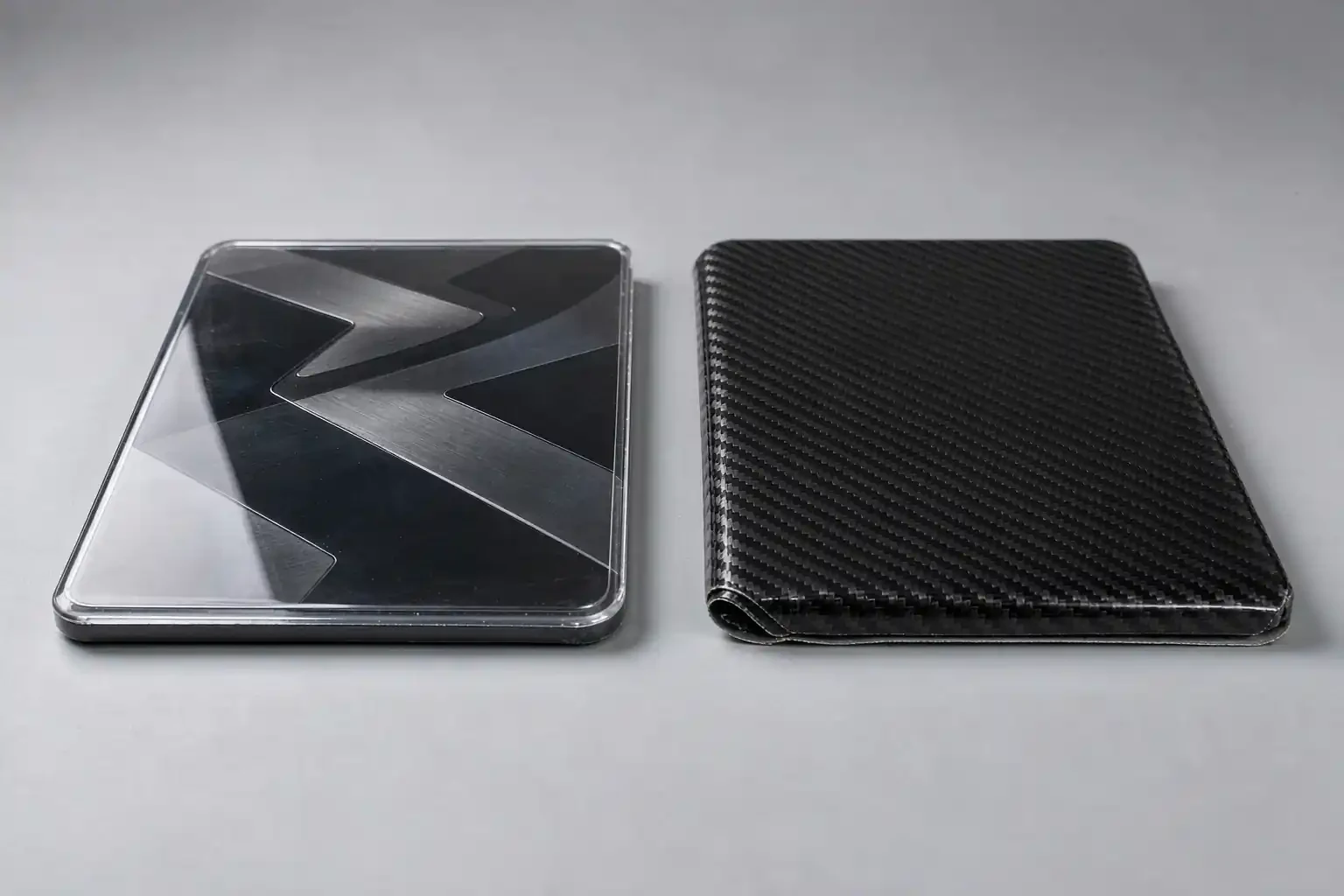
In-mold decoration (IMD) and in-mold labeling (IML) place a pre-printed film in the mold before injection, so the plastic bonds to the film as it is molded. Film lamination applies the film after molding. Both give a very consistent carbon pattern from part to part and are cost-effective for large, stable orders, but they need a dedicated film and, for IMD, a mold designed for it.

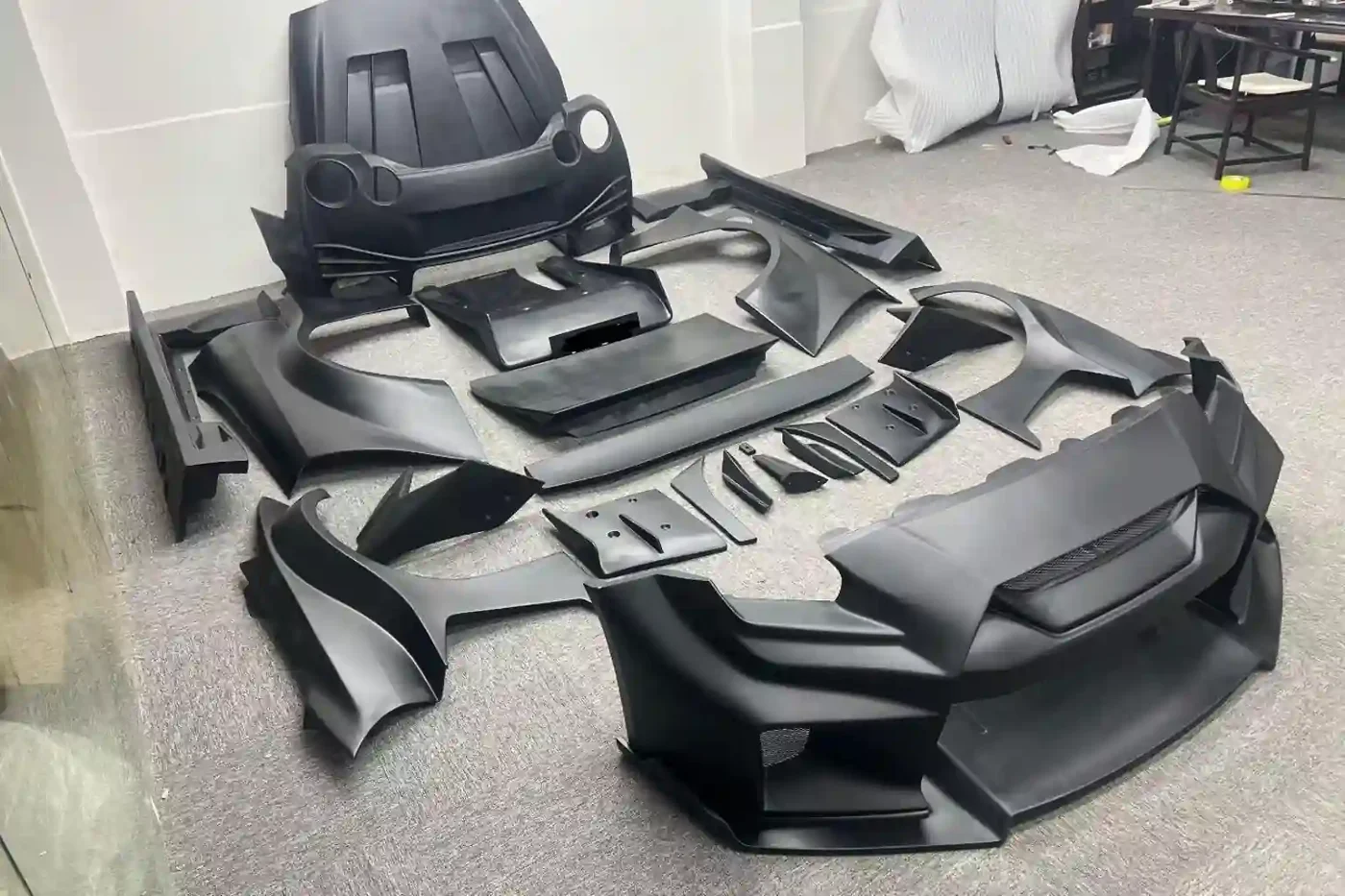
For premium custom projects, we work with partner carbon fiber composites factories that make real carbon parts by prepreg, hand lay-up or RTM. Real carbon gives the best look and feel and the highest stiffness for its weight, but costs and tooling are higher and orders are larger. Fiberglass parts are also available through partner factories. For a comparison by material, see carbon fiber vs ABS vs fiberglass spoilers.


| Point | Carbon look on plastic | Real carbon fiber |
|---|---|---|
| Base material | ABS, PC/ABS, PP | Carbon fabric and resin |
| Pattern | Printed or film | Real woven fiber |
| Stiffness and weight | Plastic part | Very high stiffness, low weight |
| Cost | Lower | Much higher |
| Repeatability | High | Depends on layup |
| Supplier | Yirox factory | Partner composites factories |

A decorative finish that copies the woven carbon pattern on a plastic part, usually by water transfer printing or film.
Hydro dipping (water transfer printing) wraps a printed pattern around a part by dipping it through an ink layer floating on water, then clearcoating it.
Durability depends on the clearcoat. We use a UV-cured clearcoat as standard for hardness and weather resistance.
IMD and film give more consistent patterns and suit large stable orders. Hydro dipping suits complex curved parts and smaller runs.
Yes, through partner composites factories using prepreg, hand lay-up or RTM, for premium custom projects.
We offer low MOQ on selected items. Real carbon fiber projects need larger order quantities; this is confirmed in your quote.
Send your drawing or a sample and the pattern you want. We will recommend the right route and quote it.