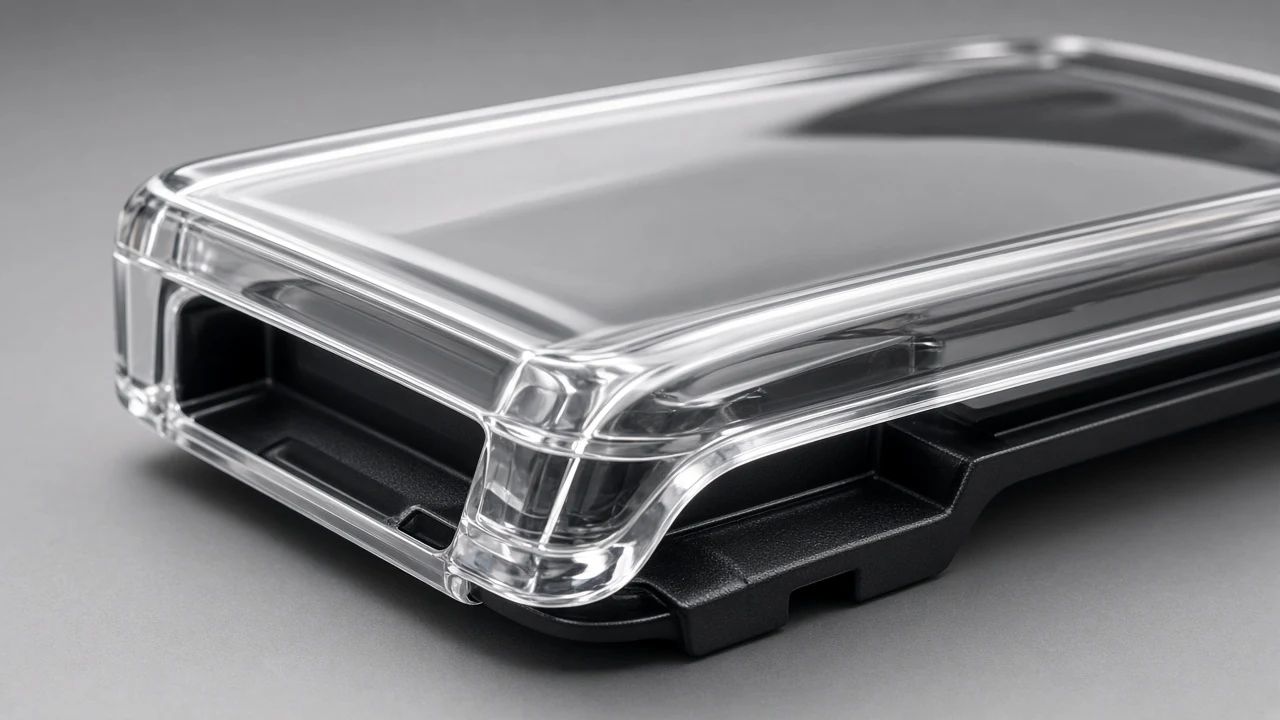
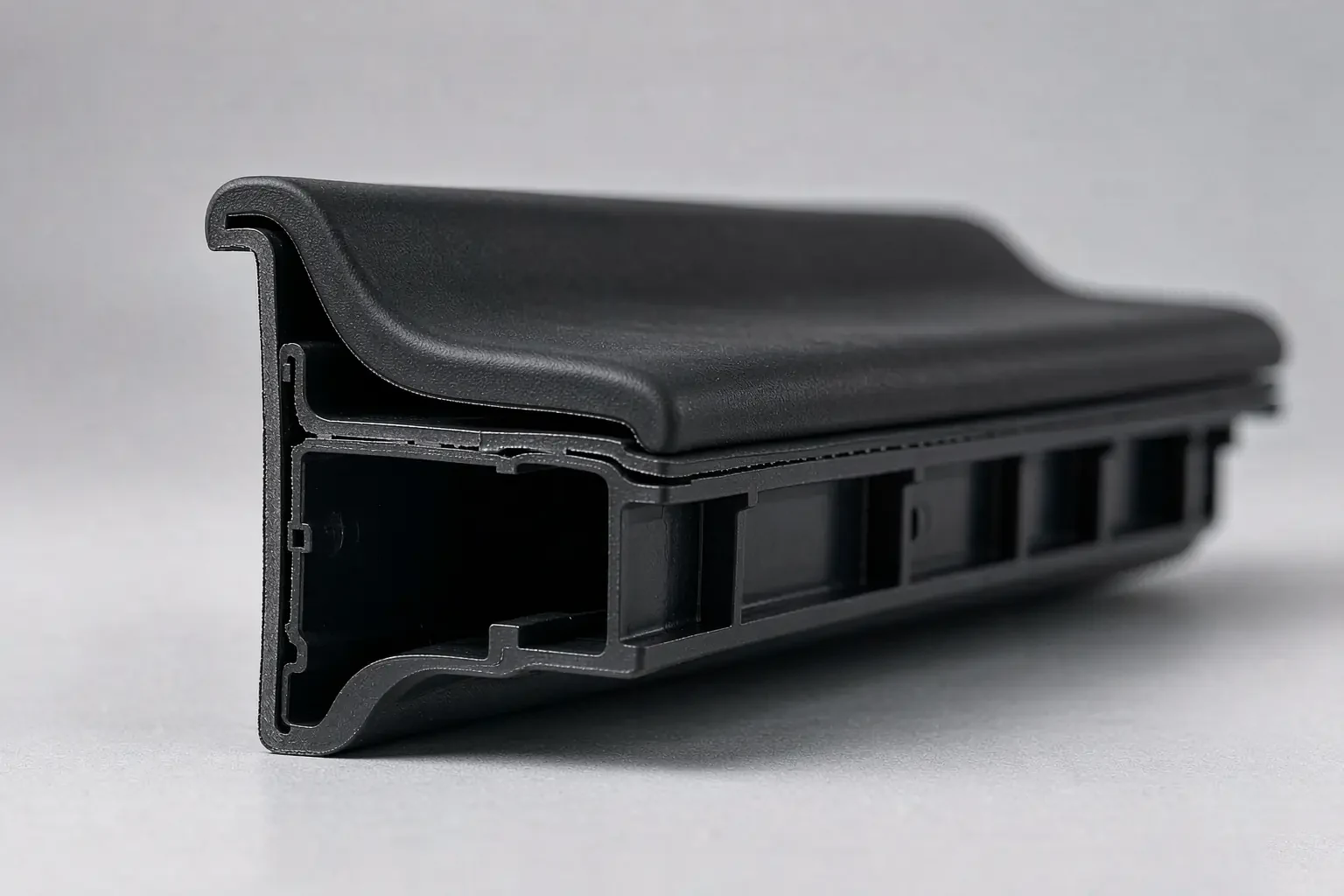
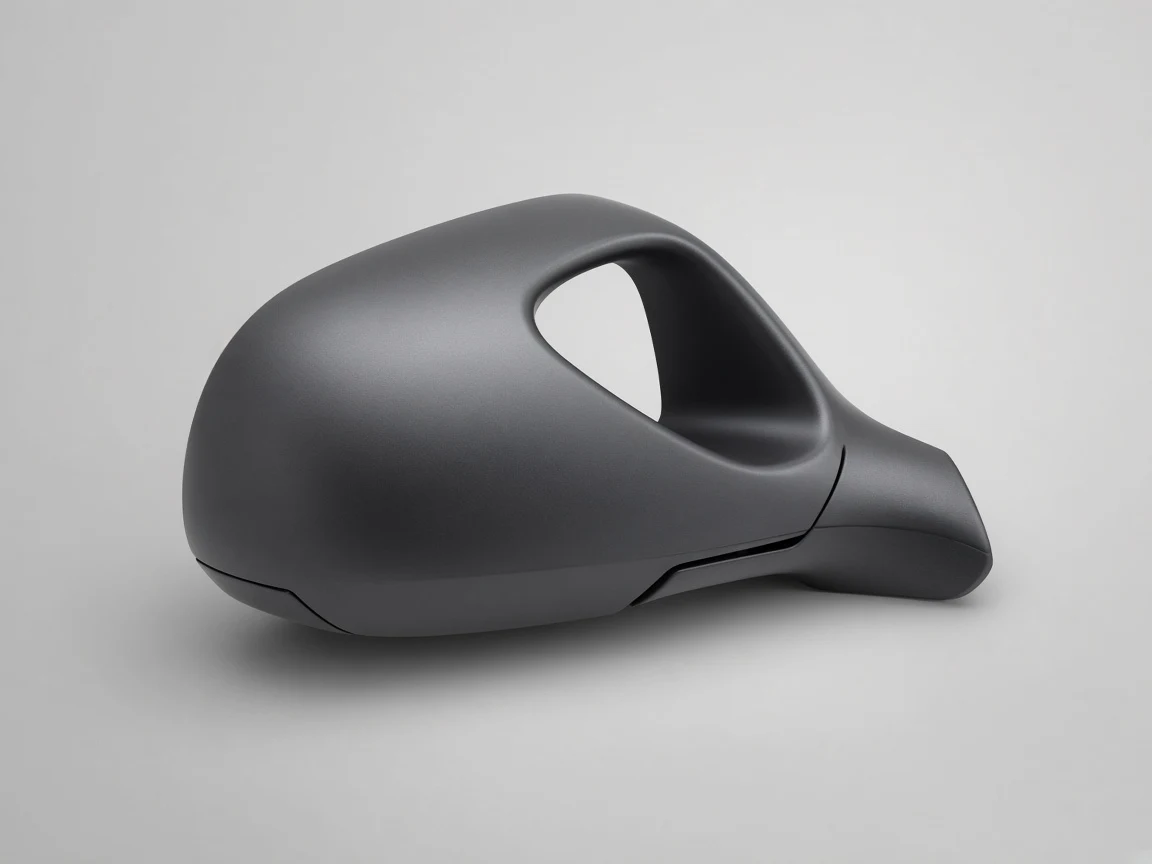
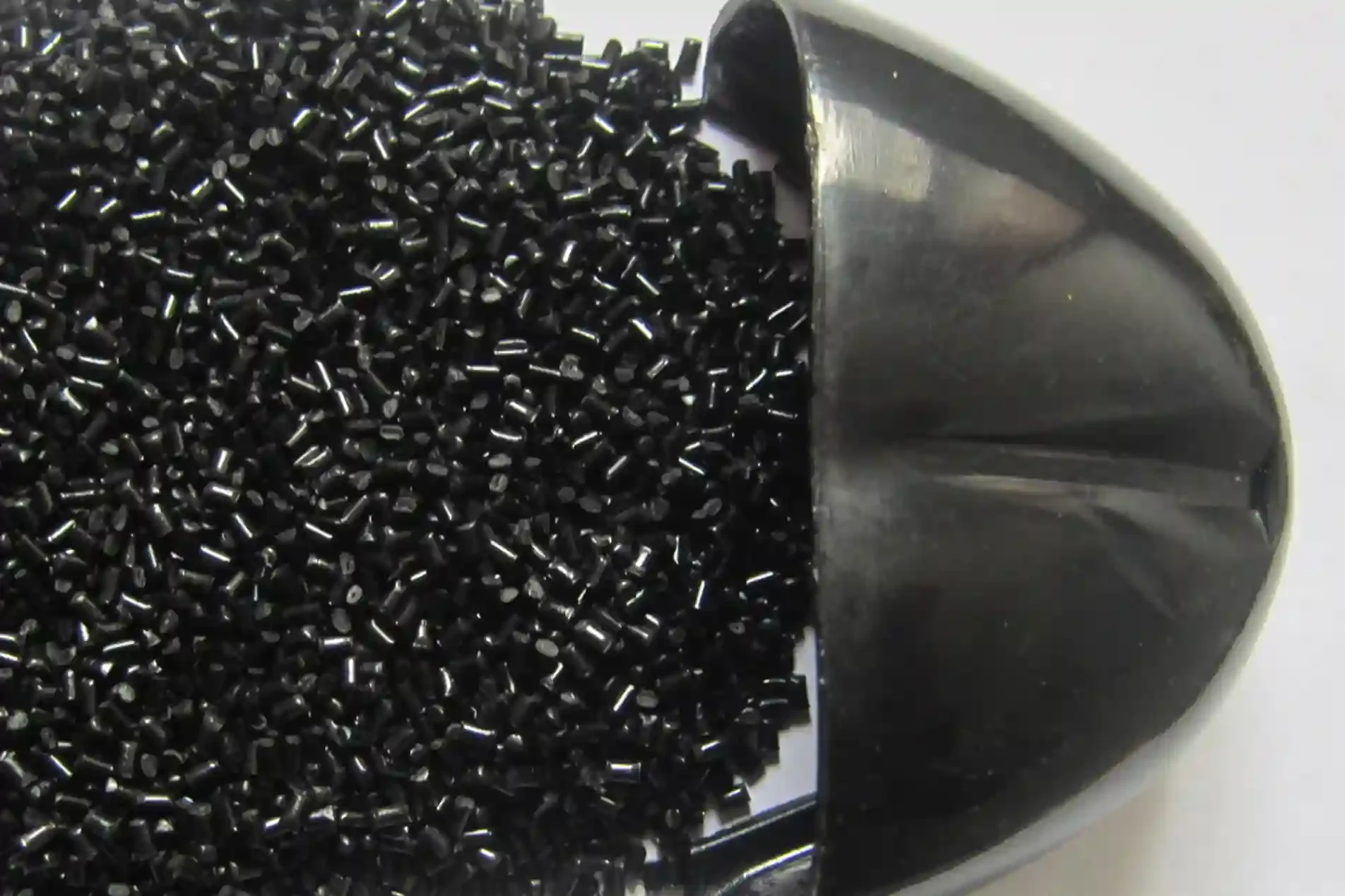
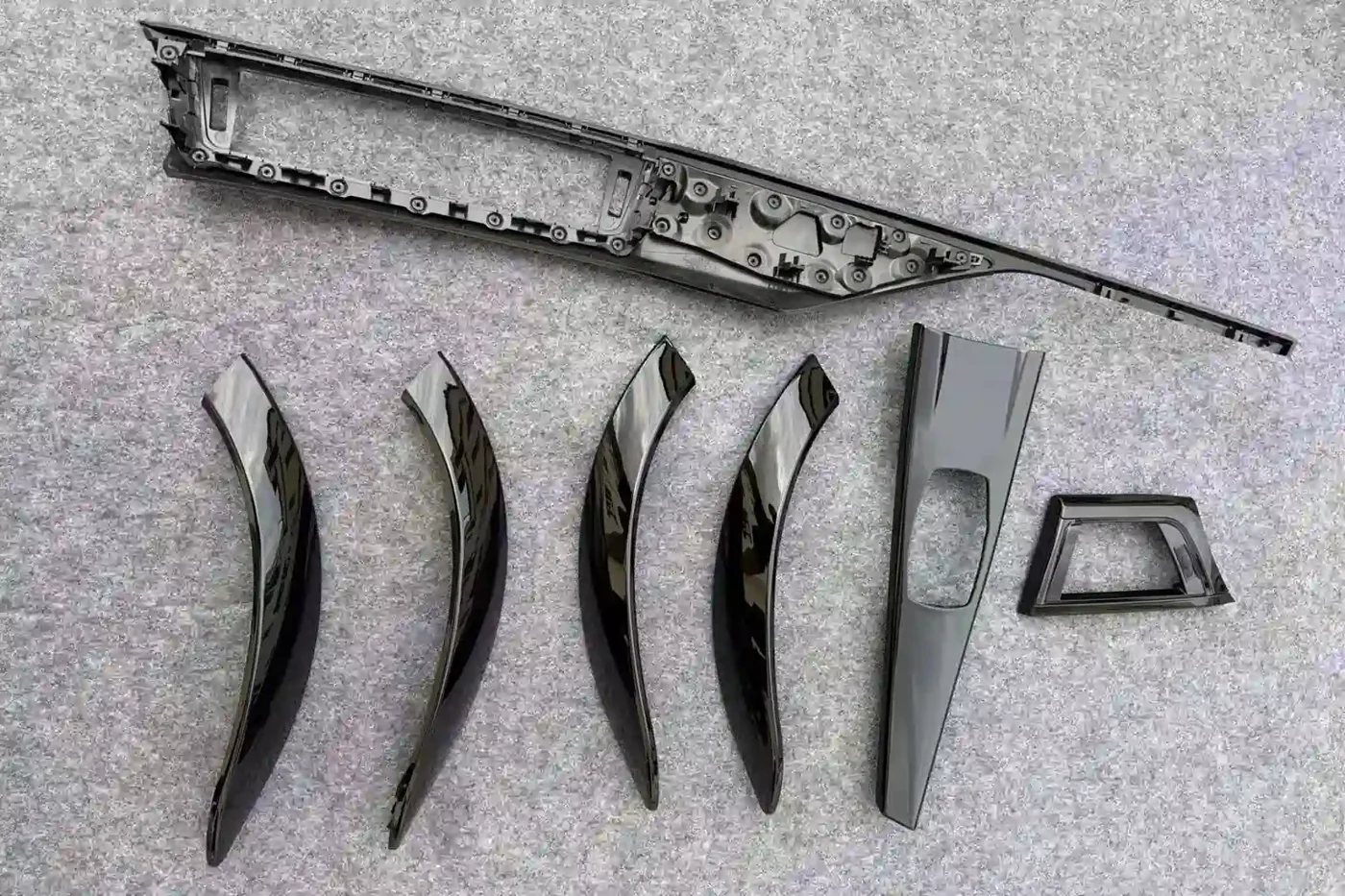
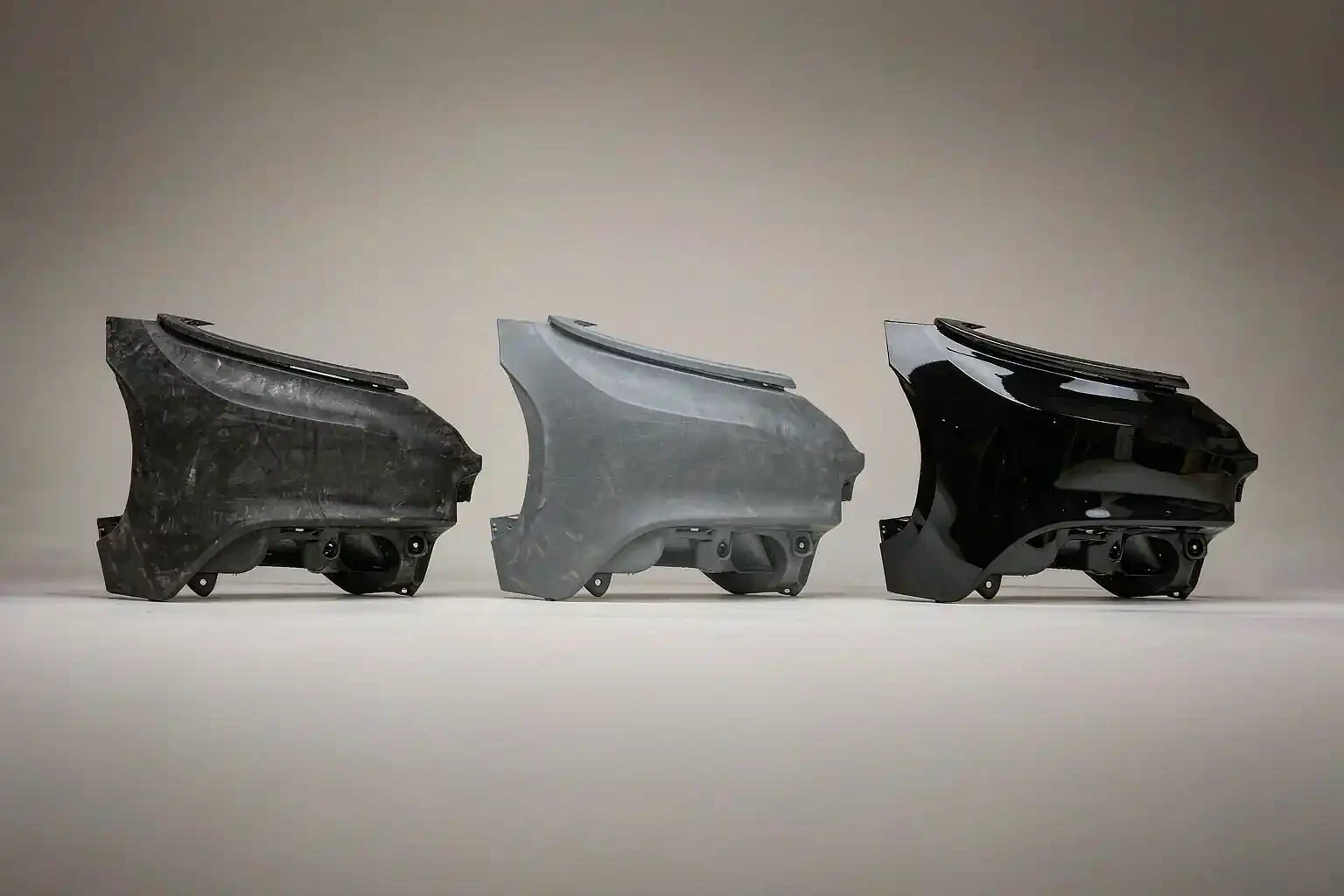
Two-shot molding, also called 2K molding or overmolding in one machine, joins two plastics in one part. Yirox runs 3 two-shot machines for PC+PMMA clear-over-black trim, ABS+TPE soft edges and seals, and PC/ABS+TPU parts with a soft, durable edge.

| Item | Details |
|---|---|
| Machines | 3 two-shot machines: 280 t rotary-table, 380 t rotary-table, 530 t rotary-core |
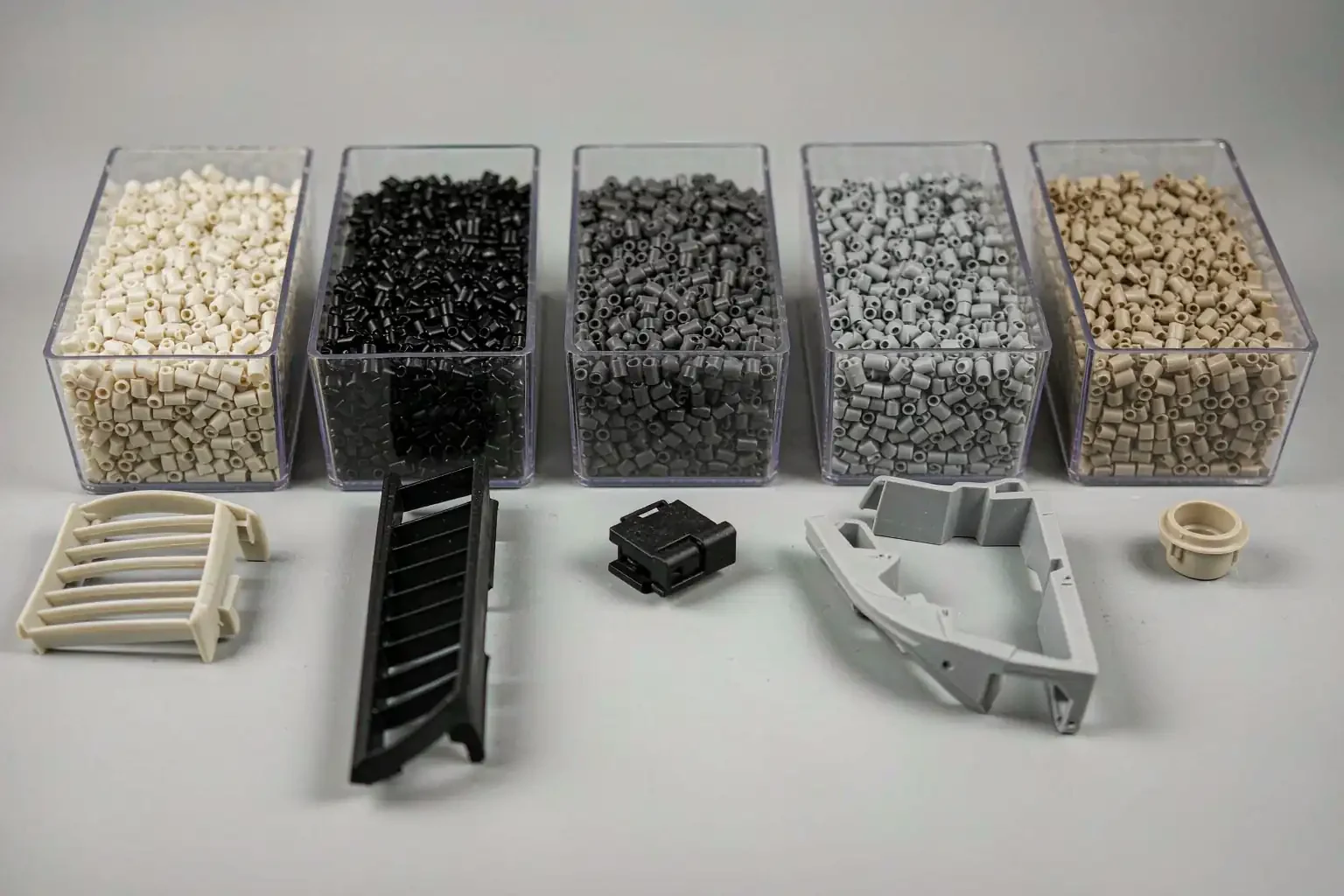
| Material pairs | PC+PMMA, ABS+TPE, PC/ABS+TPU |
| Typical parts | Clear-over-black trim and covers, covers with soft seal edges, parts with soft-touch or anti-rattle edges |
| Benefits | One cycle, no assembly, no adhesive, precise position of the second material |
| Order size | Low MOQ on selected items |
Two-shot molding injects two materials into one mold in sequence. The first material forms the base part. The mold then rotates (rotary table) or moves a core (rotary core), and the second material is injected onto or around the first. The two bond while hot, so the part leaves the machine finished, without gluing or assembly.
Overmolding is the wider term for molding one material over another. It can also be done in two separate machines by placing a molded part into a second mold. Two-shot molding does both steps in one machine, which gives better bonding, tighter position control and lower cost per part at volume.


The base material, such as PC, ABS or PC/ABS, is injected into the first cavity.
The mold turns on a rotary table, or a rotary core moves, to bring the base part to the second cavity.
PMMA, TPE or TPU is injected onto the base while it is still hot.
The two materials bond by melt adhesion and cool together.
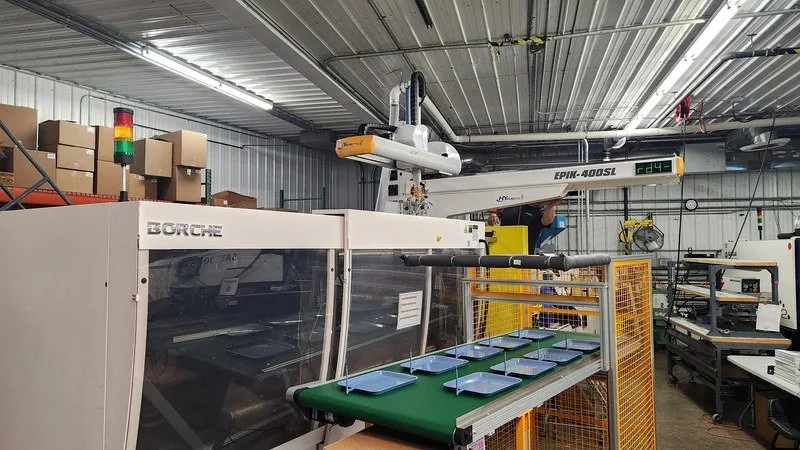
The finished two-material part is removed by robot.
Bond line, appearance and fit are checked.

PMMA is a hard, clear acrylic with excellent clarity, surface hardness and UV stability. As a top layer over a black PC base it gives a deep, glass-like look without paint.
TPE (thermoplastic elastomer) is a rubber-like plastic that can be molded like a thermoplastic. Grades from soft to firm (Shore A hardness) are used for seals, edges and grips on ABS bases.
TPU (thermoplastic polyurethane) is a tough elastomer with high abrasion and tear resistance. On a PC/ABS base it gives a soft edge that resists wear and weather.
Typical published datasheet ranges from resin manufacturers’ technical data sheets; not Yirox test results.
| Property | PMMA | TPE (SEBS type) | TPU |
|---|---|---|---|
| Density (g/cm³) | 1.17–1.20 | 0.89–1.20 | 1.10–1.25 |
| Hardness | Rockwell M 85–100 | Shore A 30–90 | Shore A 70 – Shore D 70 |
| Tensile strength (MPa) | 60–75 | 3–12 | 25–50 |
| Elongation at break (%) | 2–5 | 300–700 | 400–700 |
| Key benefit | Clarity, hardness, UV stability | Soft feel, sealing | Abrasion and tear resistance |
TPE and TPU are both elastomers, but they behave differently. TPE is softer, cheaper and bonds well to ABS, so it suits seal edges and soft-touch areas. TPU is tougher and more resistant to abrasion, oil and tearing, so it suits edges that see wear. We pair TPE with ABS and TPU with PC/ABS. For a cable-focused comparison, see our guide TPU vs TPE cable materials.

PMMA (acrylic) and polycarbonate are both clear plastics. Acrylic is harder, more scratch resistant and more UV stable, with high clarity. Polycarbonate is far tougher and more heat resistant but softer on the surface. In a PC+PMMA two-shot part, each does what it does best: PC gives the strong base, and PMMA gives the hard, clear surface.

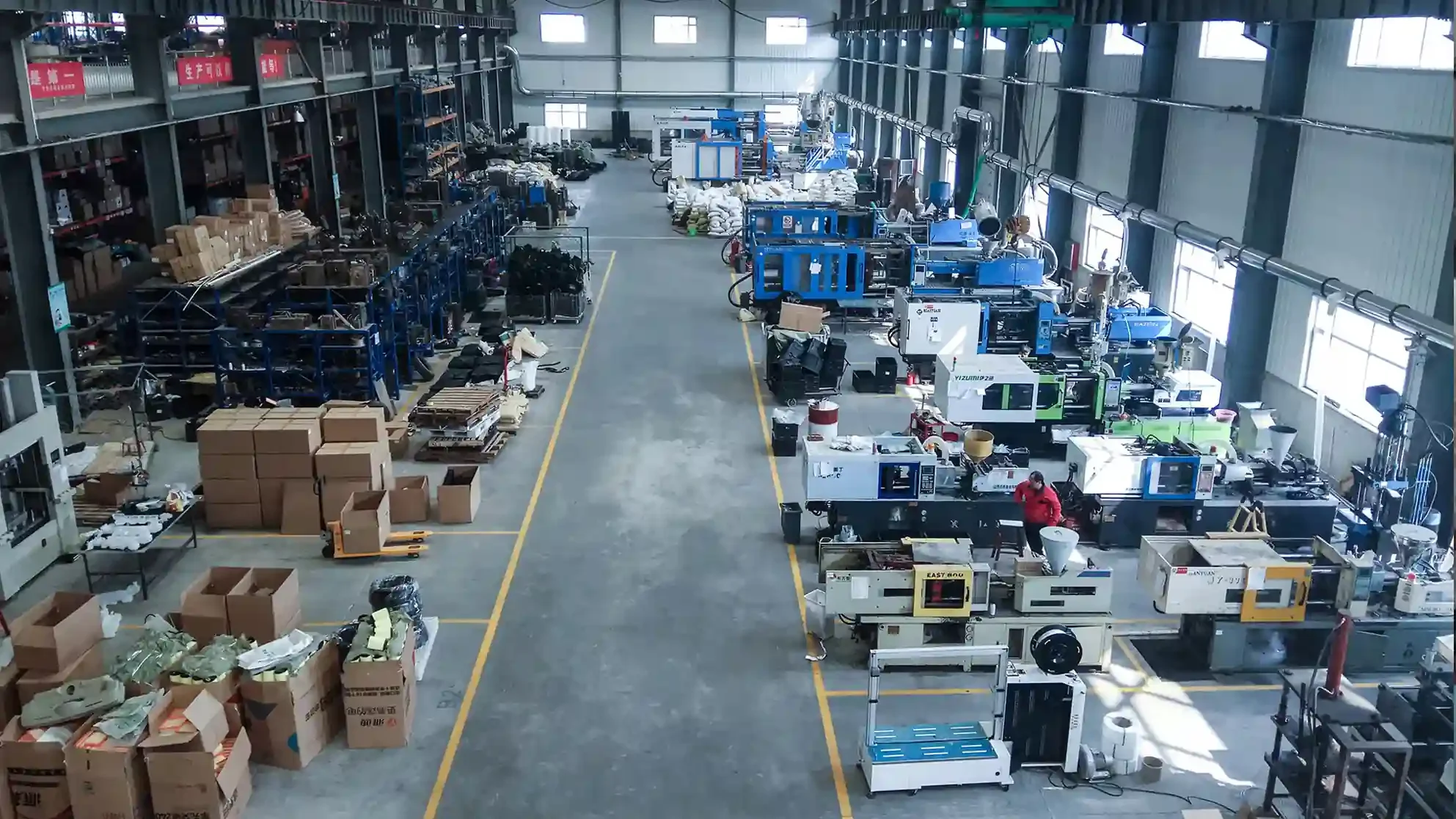
All three run with take-out robots and mold temperature controllers, and materials are dried in desiccant dryers before molding. See injection molding for the full machine list.

| Machine | Type | Typical use |
|---|---|---|
| 280 t | Rotary table | Small covers and trim with a soft or clear second shot |
| 380 t | Rotary table | Medium trim and covers |
| 530 t | Rotary core | Larger trim panels and covers |

Two-shot molding injects two materials into one mold in sequence in one machine, so a part with two materials comes out finished without assembly.
Overmolding is any process that molds one material over another. Two-shot molding is overmolding done in one machine and one cycle.
PC+PMMA, ABS+TPE and PC/ABS+TPU on 3 two-shot machines.
TPE is softer and cheaper; TPU is tougher with better abrasion and tear resistance.
Acrylic is harder and clearer; polycarbonate is much tougher. A PC+PMMA part uses both.
We offer low MOQ on selected items. The quantity is confirmed in your quote.
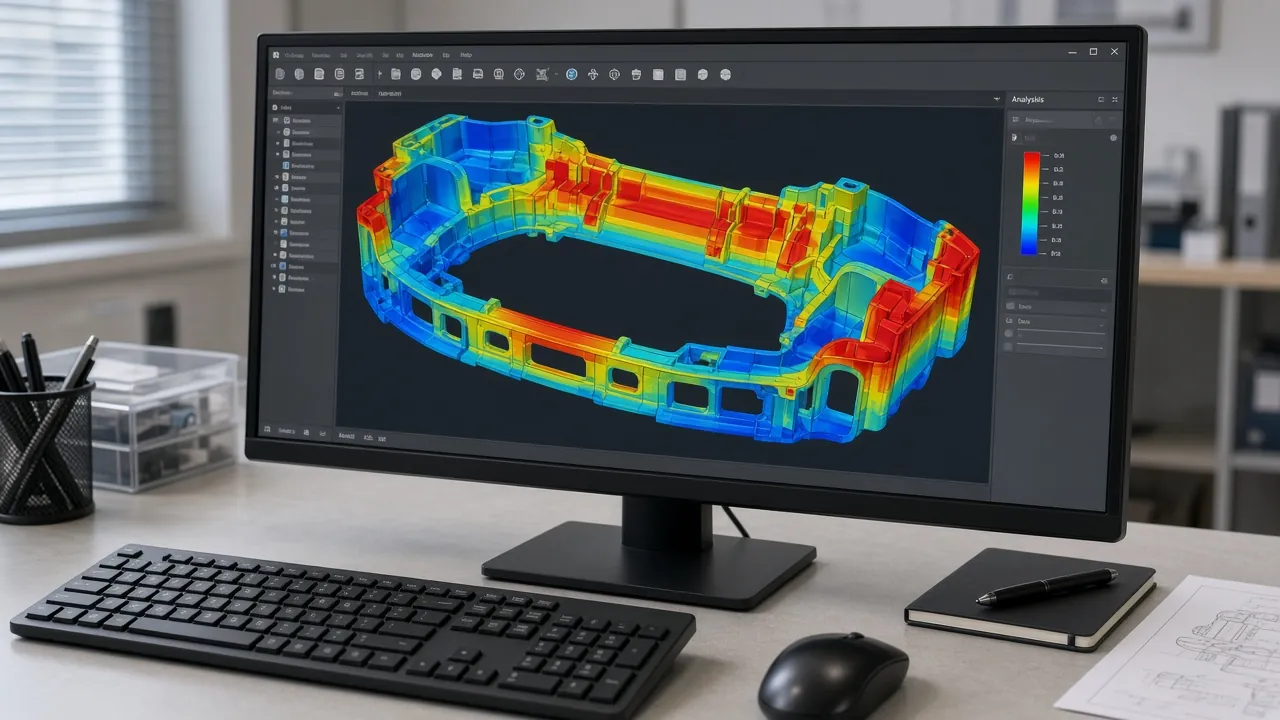
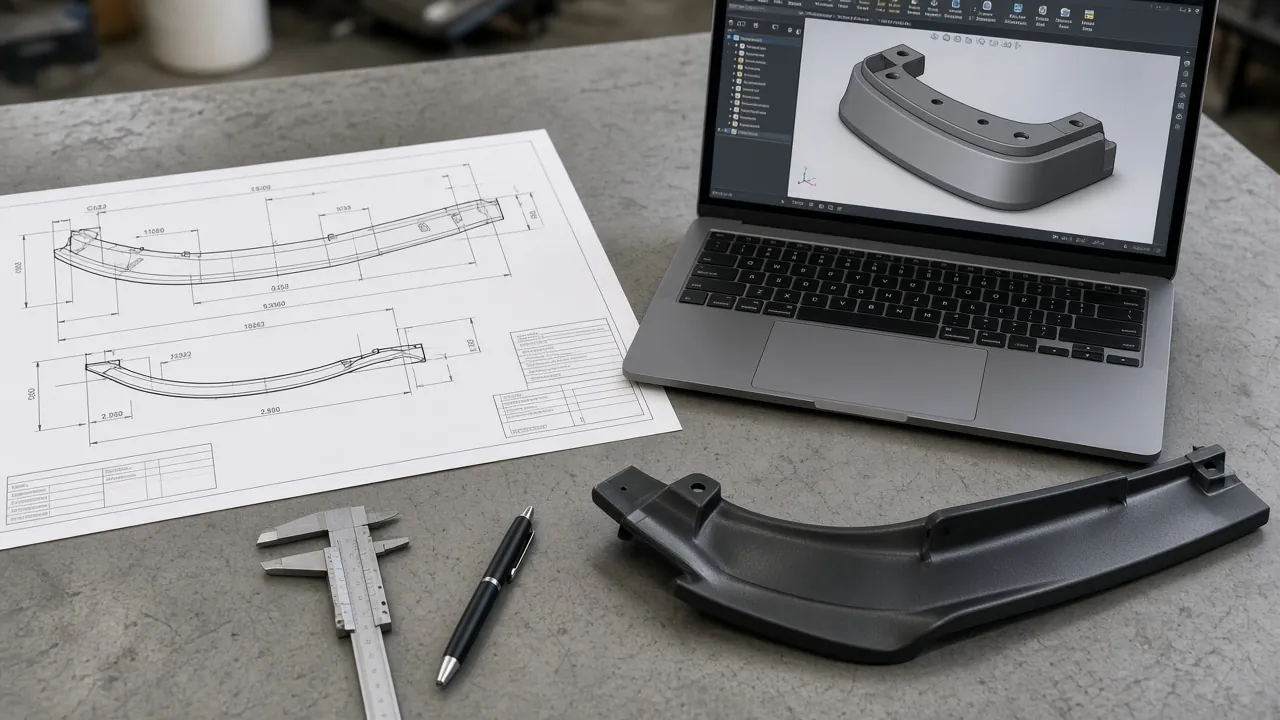
Send your 3D model showing both materials. We will reply with DFM comments and a quote.