OEM/ODM Aluminum Wheels for Global Vehicle Programs

Alloy Wheels Manufacturer for OEM & Private Label Wholesale Programs

Yirox supplies aluminum alloy wheels for global distributors, wholesalers, automotive brands, and private-label programs — covering cast wheels, flow-formed designs, multi-spoke styles, concave profiles, and custom surface finishes.

From size, PCD, offset, center bore, load rating, finish, and packaging to export documentation support, our alloy wheel programs are built for scalable wholesale supply and market-specific project requirements.

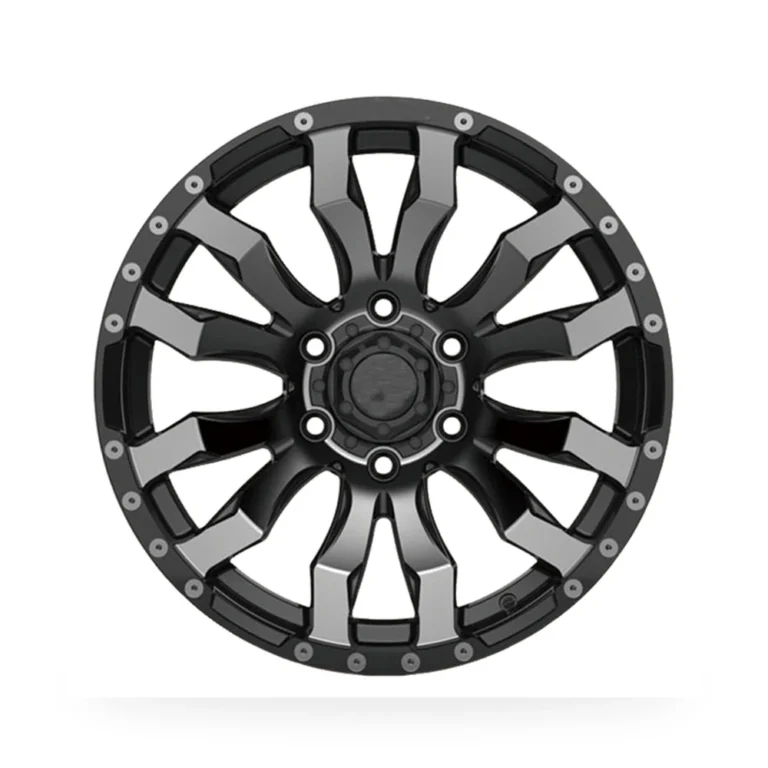
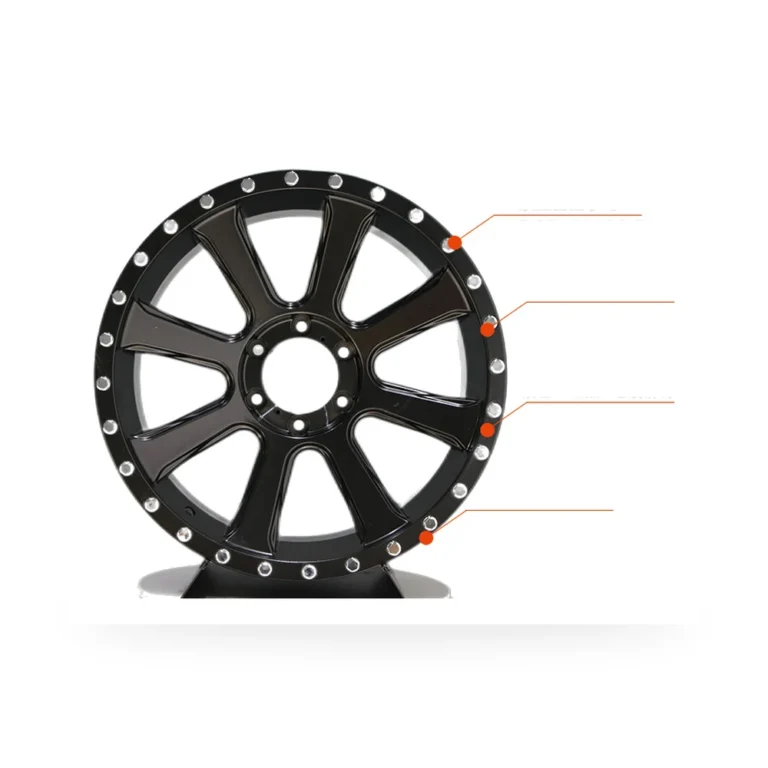
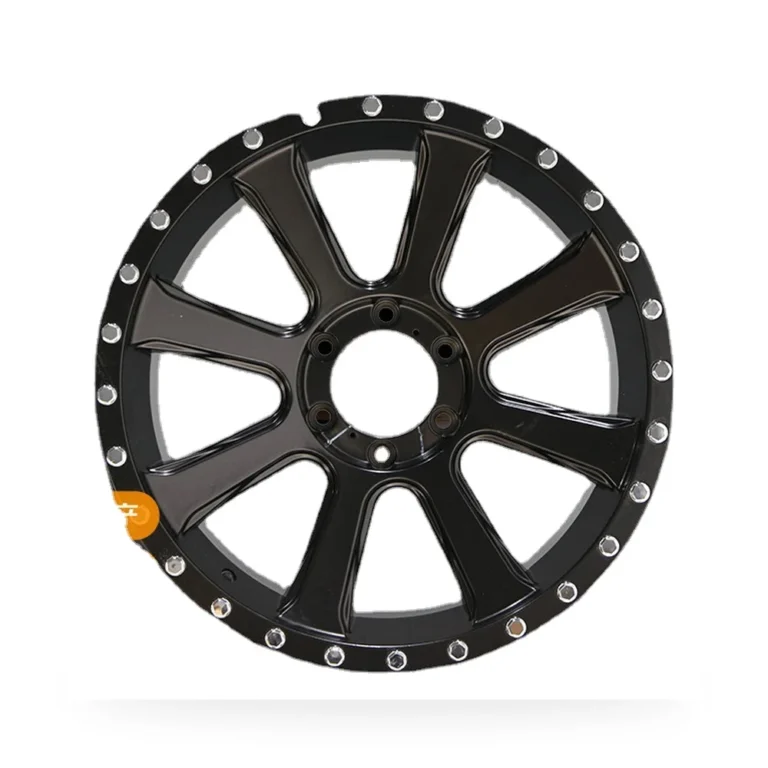
17 Inch Beadlock Style Off Road Alloy Wheel Rim Product Image 1
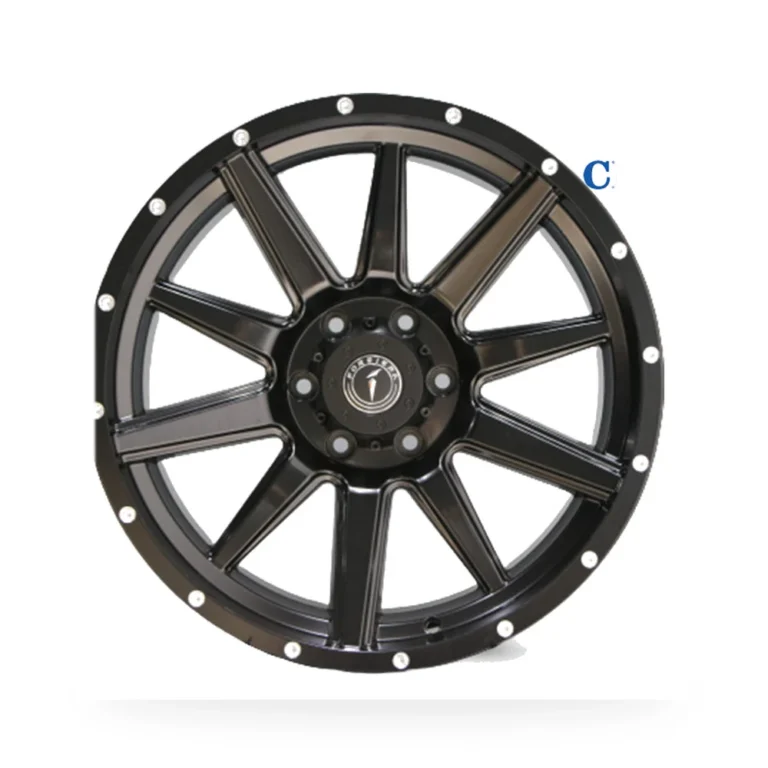
Machined Five Spoke Alloy Wheel Rim for SUVs Product Image 1
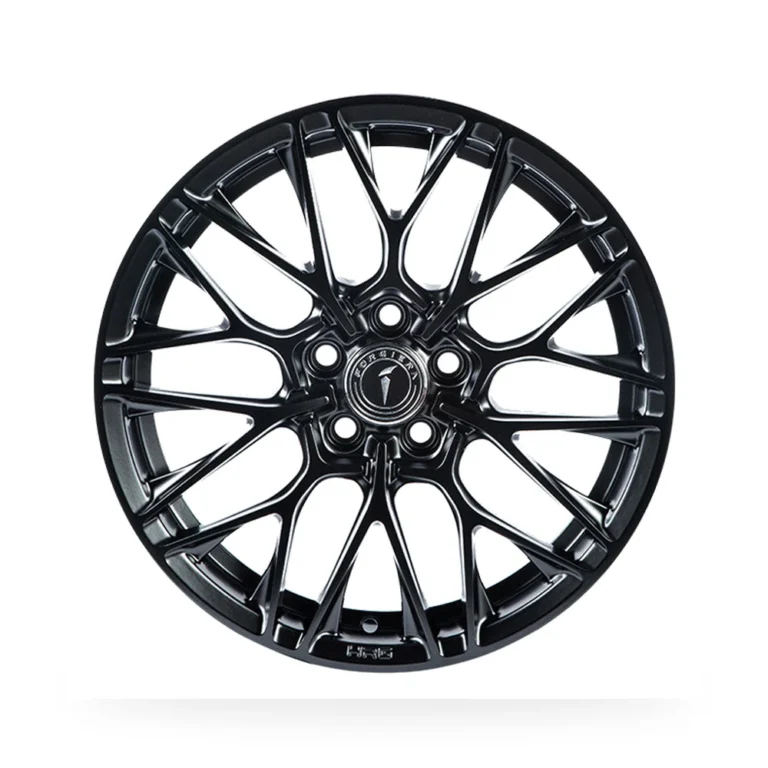
Deep Concave Six Spoke Alloy Wheel Rim Product Image 1
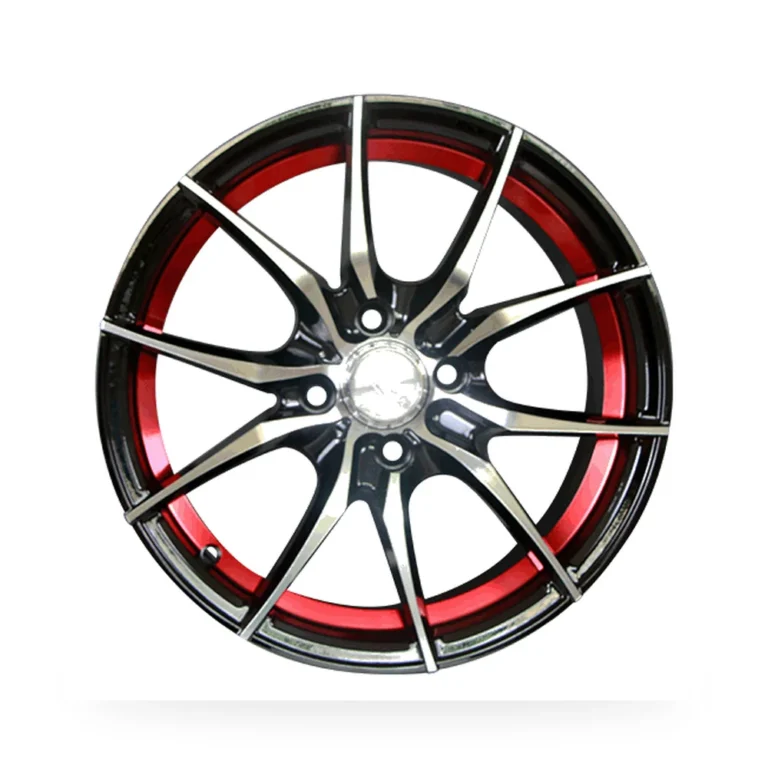
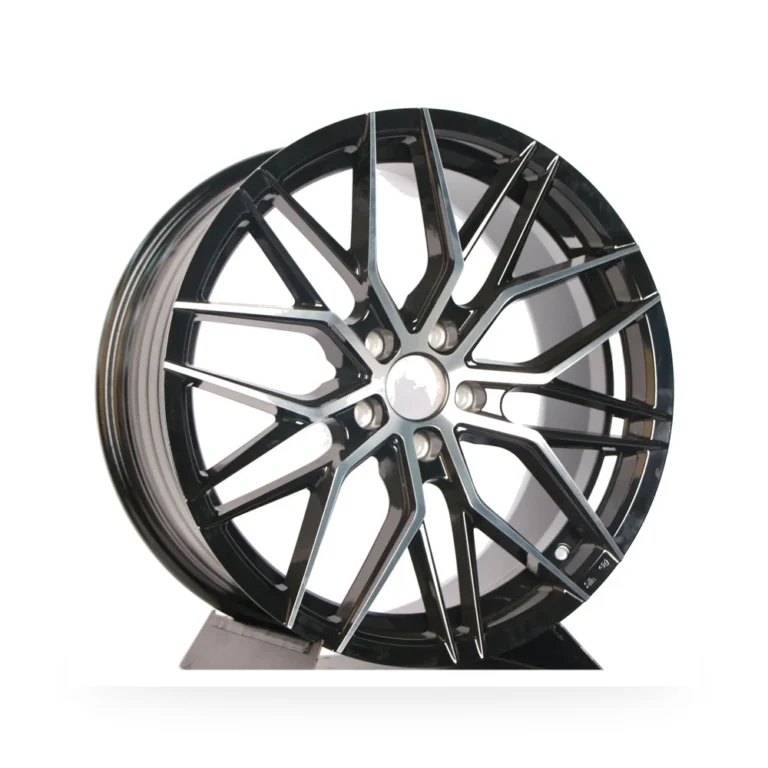
Red Accent Multi Spoke Alloy Wheel Rim Product Image 1
Rugged Split Spoke Alloy Wheel Rim for SUVs Product Image 1
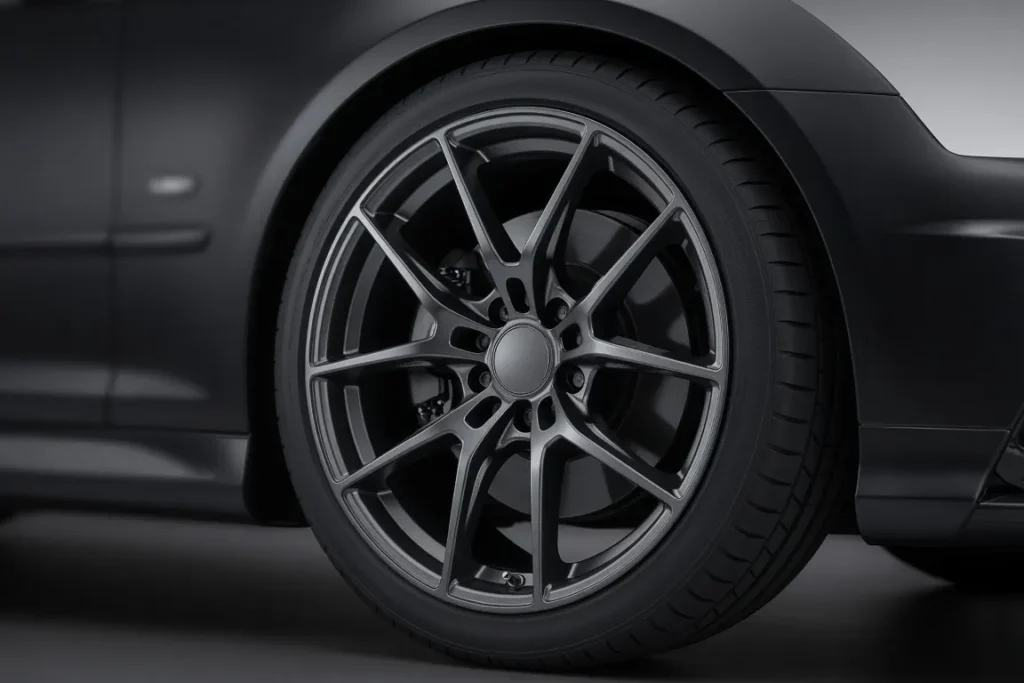
Dark Bronze Multi Spoke Alloy Wheel Rim Product Image 1
Black Off Road Alloy Wheel Rim with Bolt Accents Product Image 1
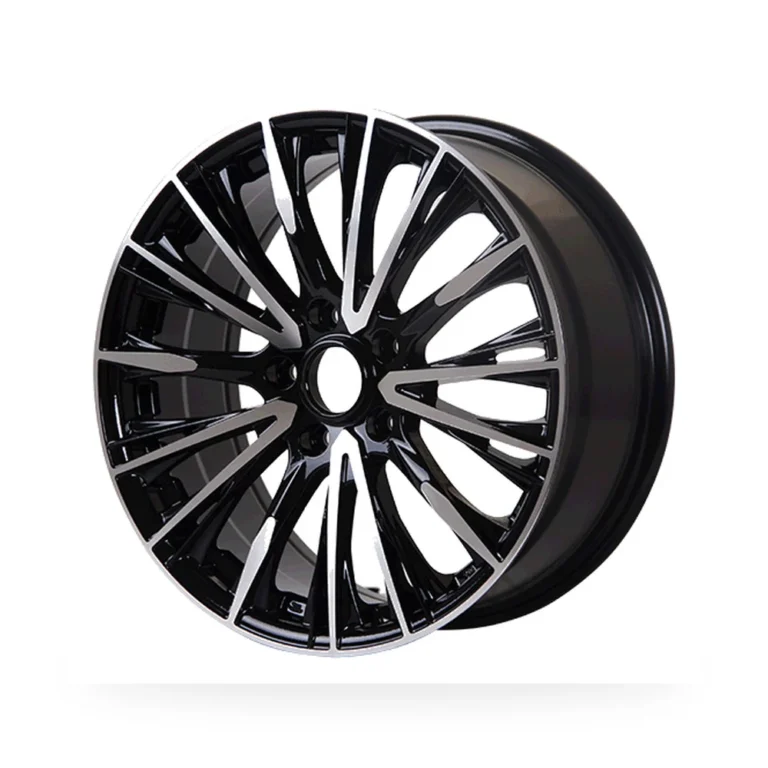
Silver Multi Spoke Alloy Wheel Rim for Sedans Product Image 1
Black Classic Ten Spoke Alloy Wheel Rim Product Image 1
1 2 3

Get A Instant Quote Now

Tell Us About Your Sourcing Project
Alloy wheel factory workshop showing polished aluminum rims in production for B2B sourcing programs

Alloy Wheel Program Review

Yirox reviews wheel size, PCD, offset, center bore, finish requirements, packaging needs and destination-market documents before confirming a quote-ready alloy wheel program.

Alloy Wheels Manufacturer & Wholesale Supplier | Yirox
Sourcing workflow

Build a Quote-Ready Alloy Wheel Program Before Sourcing

A sellable alloy wheel program is not decided by style alone. Buyers should confirm vehicle coverage, wheel size, PCD, offset, center bore, load expectation, finish, packaging and destination-market documents before moving into samples or volume orders.

Fitment firstPCD, offset, center bore, width and load rating checked before price comparison.
Process optionsCast, flow-formed and forged routes discussed according to buyer market and budget.
Private labelCenter caps, carton labels, finish selection and program packaging planned together.
Document reviewTesting scope and compliance language kept market-specific before quoting.

Alloy Wheels for
Replacement, Upgrade and Private-Label Programs

Alloy wheels are aluminum-alloy vehicle wheels used for replacement, aftermarket upgrade and styling programs. Compared with many steel wheel options, alloy wheels can offer more design freedom, lower weight potential, better heat dissipation and a higher-value appearance for retail and wholesale markets.

For wholesale buyers, the decision is not only about wheel style. A sellable alloy wheel program must match the target vehicle range, price band, fitment data, finish durability, packaging requirements and destination-market documents. A wheel that looks attractive in photos can still create returns if the PCD, offset, center bore, load rating or brake clearance is wrong.

Yirox supports alloy wheel sourcing discussions for distributors, wheel shops, private-label brands and automotive accessory importers. Before quotation, buyers should confirm the vehicle application, wheel size, PCD, ET/offset, center bore, finish, load expectation, packaging needs and destination market. These details help turn a generic wheel inquiry into a workable wholesale program.

Start with vehicle coverage

A sellable wheel program begins with target vehicles, tire size, load expectation and installation tolerance.

Control return risk

Wrong PCD, center bore or offset can create expensive returns even when the wheel design looks attractive.

Plan for wholesale resale

B2B buyers need clear specs, protected packaging, market-aware documents and finishes that photograph well.

Cast, Flow-Formed and Forged Alloy Wheels:
Which Program Fits Your Market?

The manufacturing route affects alloy wheel price, weight, strength positioning, MOQ, lead time and target buyer segment. For wholesale buyers, the right choice is not simply “best quality.” It depends on whether the program is built for price-sensitive replacement sales, mid-range aftermarket upgrades or premium private-label positioning.

Cast, Flow-Formed or Forged Alloy WheelsCast wheels are the common volume route, flow-formed wheels add a stronger barrel-positioning story, and forged wheels sit in a premium route. The right choice depends on price band, vehicle segment, testing expectations and confirmed production route.
Wheel typeHow it is madeBuyer valueBest marketRisk to manage
Cast alloy wheelsMolten aluminum alloy is poured or pressure-fed into a wheel mold, then machined and finished.Cost-effective, design-flexible, suitable for larger-volume aftermarket programs.Distributors, wheel shops, ecommerce sellers and entry-to-mid market private labels.Weight and strength perception must be matched to realistic vehicle use.
Flow-formed wheelsA cast wheel blank is spun while rollers stretch and compress the barrel area.Better strength-to-weight perception than standard casting without the full cost of forging.Mid-to-premium aftermarket programs and performance-style wholesale ranges.Buyers may confuse it with forged; explain the process honestly.
Forged wheelsA billet is compressed under high pressure, then CNC-machined into the final wheel design.High strength, lower weight potential and premium positioning.Premium performance, luxury, motorsport-inspired and custom programs.Higher cost, longer development and certification expectations.
Cast alloy wheel manufacturing process showing mold casting, machining and finished wheel stages
Volume route

Cast alloy wheels

Best when the buyer needs accessible pricing, broad designs and repeatable volume programs.

Flow formed alloy wheel barrel rolling process showing cast wheel blank, roller forming and finished wheel
Mid-market

Flow-formed wheels

Useful for performance-positioned ranges where buyers ask for lighter, stronger claims without forged pricing.

Forged alloy wheel process showing aluminum billet, CNC machining and finished forged wheel
Premium route

Forged alloy wheels

Only claim forged capability, certification or in-house production when the program route is confirmed.

Different alloy wheel programs
serve different buyers

A wheel designed for an EV sedan, a pickup, a family SUV and an off-road visual package cannot be sourced with the same assumptions.

Passenger car wheels

Usually focus on appearance, price range, common PCD patterns and a clean fitment table for sedan and hatchback applications.

SUV wheels

Often require larger diameters, stronger load-rating checks and finishes that handle daily weather exposure.

Pickup wheels

Buyers ask about load, stance, tire width and off-road styling. Beadlock-style designs must not be confused with real beadlock wheels.

EV wheels

EV programs should consider weight, aerodynamic visual language, brake clearance, tire specification and the risk of affecting range claims.

One-piece vs multi-piece

One-piece wheels are common in volume aftermarket programs because they simplify production, inspection and packaging. Two-piece and three-piece wheels give more design flexibility and premium positioning, but buyers should expect higher cost, more complex quality control and a narrower audience.

Beadlock-style vs real beadlock

Many off-road wheels use beadlock-style visual details, but a real beadlock system mechanically clamps the tire bead and may face road-use restrictions in some markets. The page should name this difference clearly so distributors do not overpromise to end users.

Alloy Wheel Fitment Specs
Required Before Quote

Fitment is the first filter for any wholesale alloy wheel program. A wrong PCD, offset, center bore or load rating can turn a good-looking wheel into a return problem.

Before quoting alloy wheels, buyers should confirm wheel size, PCD, offset, center bore, load expectation, brake clearance, finish and destination market. Without these details, a supplier can only discuss a generic wheel instead of a sellable wholesale program.

Quote checklist

Fitment Details Buyers Should Send

  • Vehicle model / year range
  • Wheel diameter and width
  • PCD / bolt pattern
  • ET / offset
  • Center bore
  • Load rating or vehicle use
  • Brake clearance requirement
  • Finish option
  • Target market
  • Packaging or private-label needs
SpecWhat It MeansWhy It Matters
Wheel sizeDiameter and widthAffects tire match, stance and market demand
PCDBolt pattern, such as 5x114.3Wrong PCD means the wheel will not mount correctly
Offset / ETMounting surface positionAffects brake, suspension and fender clearance
Center boreHub opening sizeWrong bore may cause installation or vibration issues
Load ratingWeight the wheel supportsCritical for SUVs, pickups and commercial use
Brake clearanceSpace for calipersImportant for performance models and larger brake kits
FinishSurface color and coatingAffects appearance, durability and resale value
Destination marketCountry or sales channelAffects documents, standards and packaging expectations

Ready for fitment review?

Send your wheel size, PCD, ET, center bore, finish and target vehicle list for review before quotation.

Request Fitment Review

Send wheel specs
for program review

A qualified alloy wheel inquiry should move from catalog browsing to spec confirmation. Share these details so Yirox can discuss the route before samples, packaging or pricing are treated as final.

  • Target vehicle
  • Wheel size range
  • PCD / bolt pattern
  • Offset / ET
  • Center bore
  • Finish preference
  • Destination market
  • Packaging or branding needs

How to Verify an Alloy Wheel Supplier

For alloy wheel programs, the useful proof is not a broad claim. Buyers should check whether the supplier can support OEM discussion, document review, packaging coordination and repeat-order communication before the order moves forward.

Company background

Use Yirox's official company pages to verify the business identity, product range and export-facing auto parts positioning before treating an alloy wheel discussion as a supplier program.

Review About page

OEM conversation path

OEM and private-label wheel discussions should connect center caps, carton labels, finish planning, sample approval and packaging expectations into one project brief.

Review OEM service

Compliance check route

Wheel certification and testing language must be confirmed by destination market and exact program. Buyers should review the compliance path before using certificate claims in resale materials.

Review compliance page

How alloy wheels move
from design to shipment

A sourcing conversation becomes clearer when the buyer understands the steps between a wheel sketch and a finished export carton.

Most cast alloy wheel programs begin with CAD design, mold development and alloy selection. After casting, the wheel goes through heat treatment, CNC machining, drilling, center bore finishing, surface preparation, painting or machining and final inspection.

Flow-formed and forged routes add different forming steps, but the commercial logic stays the same: buyers must align wheel design, process route, fitment coverage, testing scope and packaging before placing volume orders.

Heat treatment and machining deserve special attention because they are invisible to the final buyer but decisive for consistency. A beautiful finish cannot compensate for poor runout control, wrong bolt-seat machining or a center bore that needs field modification. For B2B buyers, those hidden details are where margin is protected.

  1. 1. Design brief
    Target vehicle, style direction, size range, finish and market positioning.
  2. 2. Engineering check
    PCD, offset, center bore, brake clearance, load requirement and tire match.
  3. 3. Forming route
    Cast, flow formed or forged route selected by cost and performance target.
  4. 4. Machining and finishing
    CNC, drilling, painting, machining, clear coat and visual inspection.
  5. 5. Testing and packing
    Test scope confirmed by market, then rim protection, carton and pallet planning.

Surface finishes affect
clicks, durability and returns

A wheel finish is not just a color choice. It affects photography, retail value, corrosion risk and customer expectations.

FinishVisual effectBuyer valueRisk to control
Gloss blackDeep sport look with strong photo contrast.Works well for ecommerce listings and EV exterior packages.Scratches, dust and polishing marks are visible.
Matte blackRugged, off-road and SUV-friendly.Good for pickup and outdoor positioning.Cleaning marks and gloss inconsistency.
Machined faceMetal-highlighted spoke surfaces.Premium look without full custom pricing.Clear coat quality and corrosion resistance.
Diamond cutSharper reflective face with high-end detail.Strong showroom and marketplace image appeal.Requires careful coating and edge protection.
GunmetalModern grey tone between silver and black.Broad vehicle compatibility and premium restraint.Batch-to-batch color control.
Alloy wheel finish samples showing gloss black, matte black, machined face, diamond cut and gunmetal wheel finishes

Quality Checks and Testing Documents
for Alloy Wheel Programs

Alloy wheels are safety-related products, so quality language must be specific. Buyers should confirm the inspection scope, test references and market document requirements before volume orders.

Inspection scope

Quality Checks Buyers Can Discuss

For alloy wheel programs, quality discussion should focus on project-confirmed inspection points and test references instead of broad “strict QC” claims.

  • Dimension check
  • PCD and center bore verification
  • Offset / ET confirmation
  • Runout inspection
  • Air leakage test reference
  • Radial fatigue test reference
  • Cornering fatigue test reference
  • Impact test reference
  • Salt spray test for finish durability
  • Packing drop or protection review
Document support

Documents Buyers Can Request

B2B buyers should confirm which documents are available for the exact wheel design, size range, finish and destination market before treating a quote as final.

  • Confirmed specification sheet
  • Product drawing or fitment table
  • Sample photos
  • Finish confirmation photos
  • Packing photos
  • Inspection report
  • Test report reference when applicable
  • Certification or document review for the destination market
Certification boundary

Certification Requirements Must Be Confirmed by Project

Certification requirements depend on the destination market and sales channel. JWL, VIA, ECE R124, TUV or other standards should be confirmed project by project. Yirox should not claim a specific alloy wheel certification unless the certificate, test report or official project document is available for that exact wheel program.

Quality Risk by Buyer Type

Different B2B buyers evaluate alloy wheel quality from different risk angles. A distributor, wheel shop, private-label brand and SUV/pickup program buyer may not ask for the same proof.

Buyer TypeMain Quality Concern
DistributorConsistent specs, fewer returns, stable packaging
Wheel shopInstallation fit, finish durability, customer complaints
Private-label brandRepeatable appearance, logo/packaging consistency
SUV / pickup program buyerLoad rating, strength reference, market documents
Ecommerce sellerPhoto consistency, carton protection, low return risk

Need to confirm testing scope or market documents?

Share your wheel size range, vehicle application, finish, target market and required document list. Yirox can review the available inspection scope, test references and document path before quotation.

Request Document Review

How to choose alloy wheels
for your market

A good wheel program begins with the buyer's channel and risk profile, not a catalog image. The same design can be wrong if the market, finish, specs or documentation do not match.

Distributors

Prioritize fitment coverage, repeatable packaging, common sizes and documents that support dealer confidence.

Wheel shops

Focus on PCD, offset, center bore, tire match and finish durability to reduce installation complaints.

Ecommerce sellers

Choose marketable finishes, clear specs, protective packing and product images that prevent compatibility confusion.

Private labels

Plan center cap branding, carton labels, finish consistency and design differentiation before mass purchase.

  1. Start with vehicle segment

    Passenger car, SUV, pickup, off-road and EV programs require different load, style and finish assumptions.

  2. Match the price band

    Cast, flow formed and forged options must fit the buyer's channel margin and target end-user expectation.

  3. Confirm testing scope

    Ask which tests and documents are needed for the destination market before a quote becomes final.

A practical buyer brief should include target market, vehicle list, annual volume estimate, wheel size range, finish preference, packaging format and required documents. Without that brief, suppliers can only quote a generic wheel, not a program that will survive retail returns.

Yirox program approach vs price-first sourcing

Marketplaces are useful for discovery, but a B2B alloy wheel buyer needs a workflow that turns attractive styles into sellable, documented and packaged programs.

FactorTypical marketplace searchYirox program approach
FitmentBuyer compares specs across listings alone.Fitment brief starts with vehicle, PCD, offset, center bore, width and load expectation.
QualityVaries supplier by supplier and is hard to compare.QC and test scope are discussed by target market and product route.
PackagingOften unclear until shipment.Rim protection, carton strength and pallet planning are discussed before bulk order.
BrandingBasic logo options may be listed.Center cap, label, packaging and finish selection can be planned as a private-label program.
DocumentationUsually requested after price comparison.Compliance documents are checked early against the destination market.
CommunicationPrice-first and SKU-first.Program-first, with fitment and buyer channel defined before quote.

Custom Alloy Wheels for
OEM and Private Label Programs

Private-label alloy wheel programs are not limited to wheel design. Buyers may need finish planning, center cap branding, carton labels, packaging review, fitment tables and market documents before launch.

Private label options

What Buyers Can Discuss

Private-label alloy wheel programs can be planned around appearance, fitment, packaging and market documentation. Final feasibility should be confirmed by project route and order requirements.

  • Center cap logo
  • Carton label
  • Wheel finish
  • Size range
  • PCD / offset combination
  • Packaging style
  • Product photos or sample confirmation
  • Market document review
  • Mixed-model wholesale program
Buyer inputs

Custom Development Inputs

A complete OEM or private-label inquiry helps Yirox review the program faster and avoid a price-only discussion before the wheel route is clear.

  • Target vehicle list
  • Reference wheel design or sample photo
  • Wheel size range
  • PCD, ET and center bore requirements
  • Finish requirement
  • Branding requirement
  • Expected order volume
  • Destination market
  • Retail channel: distributor, shop, ecommerce or brand program

OEM / ODM Workflow

A custom alloy wheel program should move from buyer requirements to fitment review, route confirmation, sample or specification confirmation, and then bulk order planning.

  1. Buyer sends vehicle, size and design requirements

    The inquiry starts with target vehicles, wheel size range, design reference, fitment specs and expected sales channel.

  2. Yirox reviews fitment, finish, packaging and document needs

    PCD, ET, center bore, load expectation, finish direction, carton protection and destination-market document needs are checked before the quote is treated as final.

  3. Program route is confirmed: cast, flow-formed or forged

    The development route should match the buyer’s price band, vehicle segment, order plan, testing expectation and private-label positioning.

  4. Sample, photo or specification confirmation

    Before volume planning, buyers may confirm sample photos, finish details, fitment table, packaging direction or specification sheet.

  5. Bulk order, inspection, packaging and shipment planning

    After confirmation, the project moves into order planning, inspection scope, carton or pallet protection and export shipment coordination.

MOQ and price factors

What Affects MOQ and Price

MOQ and price depend on wheel size, design complexity, mold or tooling requirement, finish, logo or packaging customization, test scope and order mix. Standard designs usually move faster than fully new private-label development.

Responsible claim boundary

Custom Feasibility Is Project-Based

Custom alloy wheel feasibility should be confirmed project by project. Final capability depends on design route, mold status, MOQ, testing requirement, certification need and destination-market rules.

Ready to discuss a private-label alloy wheel program?

Send your vehicle list, wheel size range, PCD / ET / center bore requirements, design reference, finish target, branding needs, destination market and expected order volume for review.

Request Private Label Program
Buyer Q&A

Alloy Wheel Sourcing
Questions Buyers Ask

Use these answers to keep procurement conversations precise. The goal is not only to explain wheel terms, but to help buyers confirm fitment, process route, document needs and private-label feasibility before quotation.

Fitment first PCD, ET, center bore, load and brake clearance should be confirmed before quote.
Project-based claims Testing, certification and forged-wheel language should stay specific to the confirmed program.
Quote-ready inputs Vehicle list, wheel size, finish, packaging and target market make the inquiry actionable.
01

What are alloy wheels made of?

Most automotive alloy wheels are made from aluminum alloy. Cast wheels often use aluminum casting alloys such as A356, while forged wheels commonly use stronger aluminum billets such as 6061.

Confirm material for the exact wheel type, program route and buyer requirement.
02

Are alloy wheels better than steel wheels?

Alloy wheels usually offer more design freedom, lower weight potential and better visual value than steel wheels. Steel wheels can still be cost-effective for utility applications.

The right choice depends on vehicle use, price band and market expectation.
03

What is the difference between cast and forged alloy wheels?

Cast wheels are formed in a mold and are practical for volume aftermarket programs. Forged wheels are compressed and CNC-machined from billet, usually offering higher strength and lower weight potential at a higher cost.

Do not position a wheel program as forged unless the route is confirmed.
04

What are flow formed wheels?

Flow formed wheels start with a cast wheel blank. The barrel is then spun and compressed by rollers, improving the barrel’s strength-to-weight profile compared with a standard cast wheel.

Useful for mid-to-premium aftermarket positioning without full forged pricing.
05

What does PCD mean on alloy wheels?

PCD means pitch circle diameter. It describes the bolt pattern, such as 5x114.3 or 5x120.

Wrong PCD means the wheel will not mount correctly, so it must be confirmed before quotation.
06

What does offset or ET mean?

Offset, often marked as ET, describes where the mounting surface sits relative to the wheel centerline.

ET affects stance, brake clearance, suspension clearance and fender fit.
07

Can alloy wheels be private labeled?

Private-label discussions can include center cap logo, carton label, surface finish, size range, packaging and market document review.

Feasibility depends on design route, MOQ, tooling, market requirements and project confirmation.
08

What tests should B2B buyers ask for?

Common checks include impact test reference, radial fatigue test reference, cornering fatigue test reference, air leakage test reference, runout inspection and salt spray testing for finish durability.

Testing scope and documents should be confirmed by wheel program and destination market.
09

Can Yirox supply forged alloy wheels?

Forged wheel supply should be discussed project by project based on design route, size range, order plan, testing needs and destination market.

Do not assume in-house forged wheel production unless confirmed by official project documentation.
10

Do alloy wheels need JWL, VIA, ECE or TUV certification?

Certification needs depend on the destination market and sales channel. Buyers should confirm whether JWL, VIA, ECE R124, TUV or another standard applies before finalizing a wheel program.

Specific certification should only be claimed when the exact certificate or official project document is available.

Still have alloy wheel sourcing questions?

Send your vehicle list, wheel size range, PCD / ET / center bore requirements, finish target, private-label needs and destination market for review.

Ask Yirox About Alloy Wheels

Ready to send alloy wheel specs?

Send your target vehicle, wheel size, PCD, offset, center bore, finish, load expectation and destination market. Yirox will review the program route before you commit to samples or volume.

Alloy wheel spec sheet inquiry checklist showing size, PCD, ET, CB, finish, market and packaging fields

Tell us your packaging needs — our team will respond quickly with tailored solutions and competitive pricing.

Tell Us About Your Sourcing Project

Get Your Custom Quote