5Material groups
6Finish families
42Molding machines
2 + 1Paint lines + plating line
ΔE ≤1.0Color tolerance
01 — Overview

The Library at a Glance

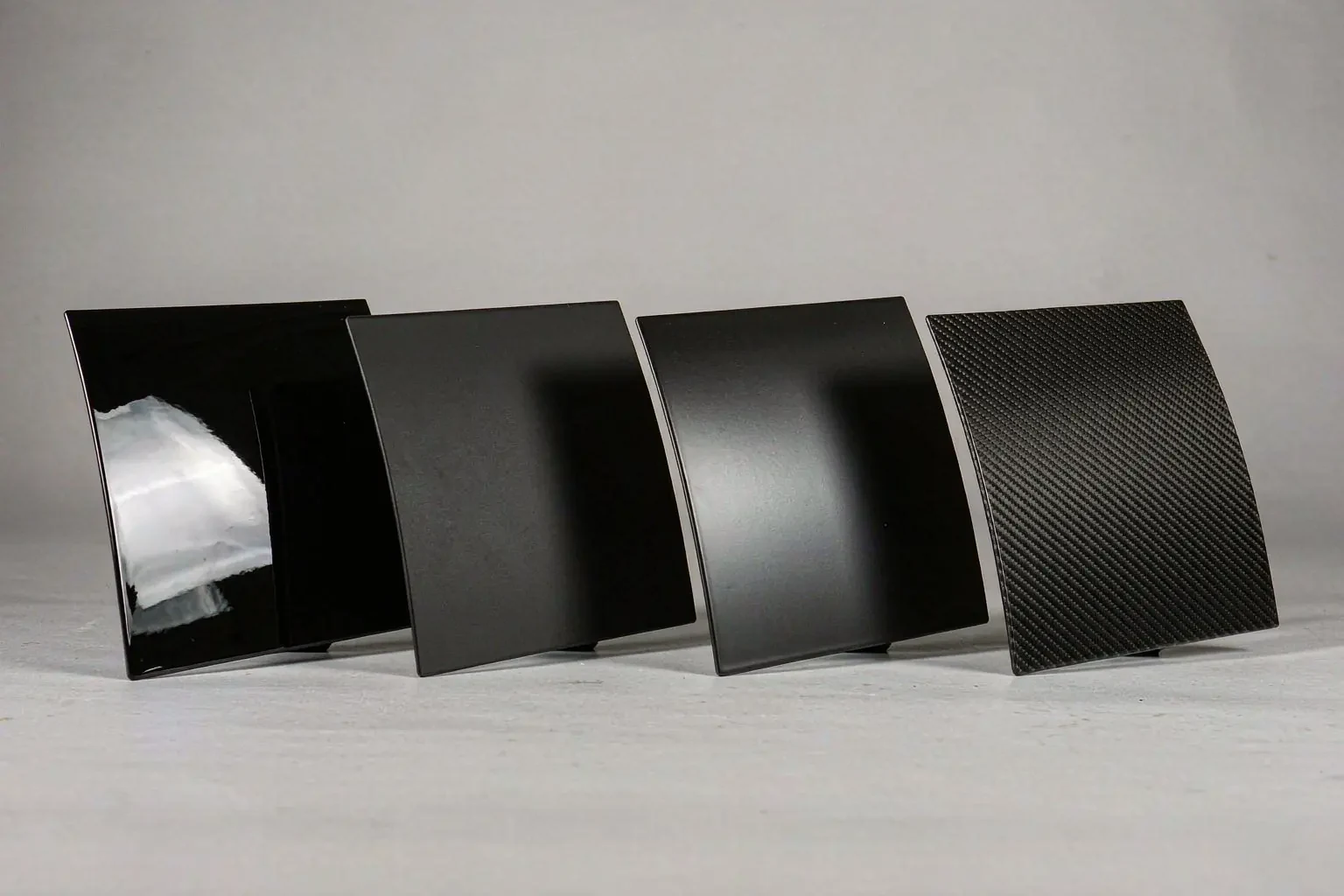
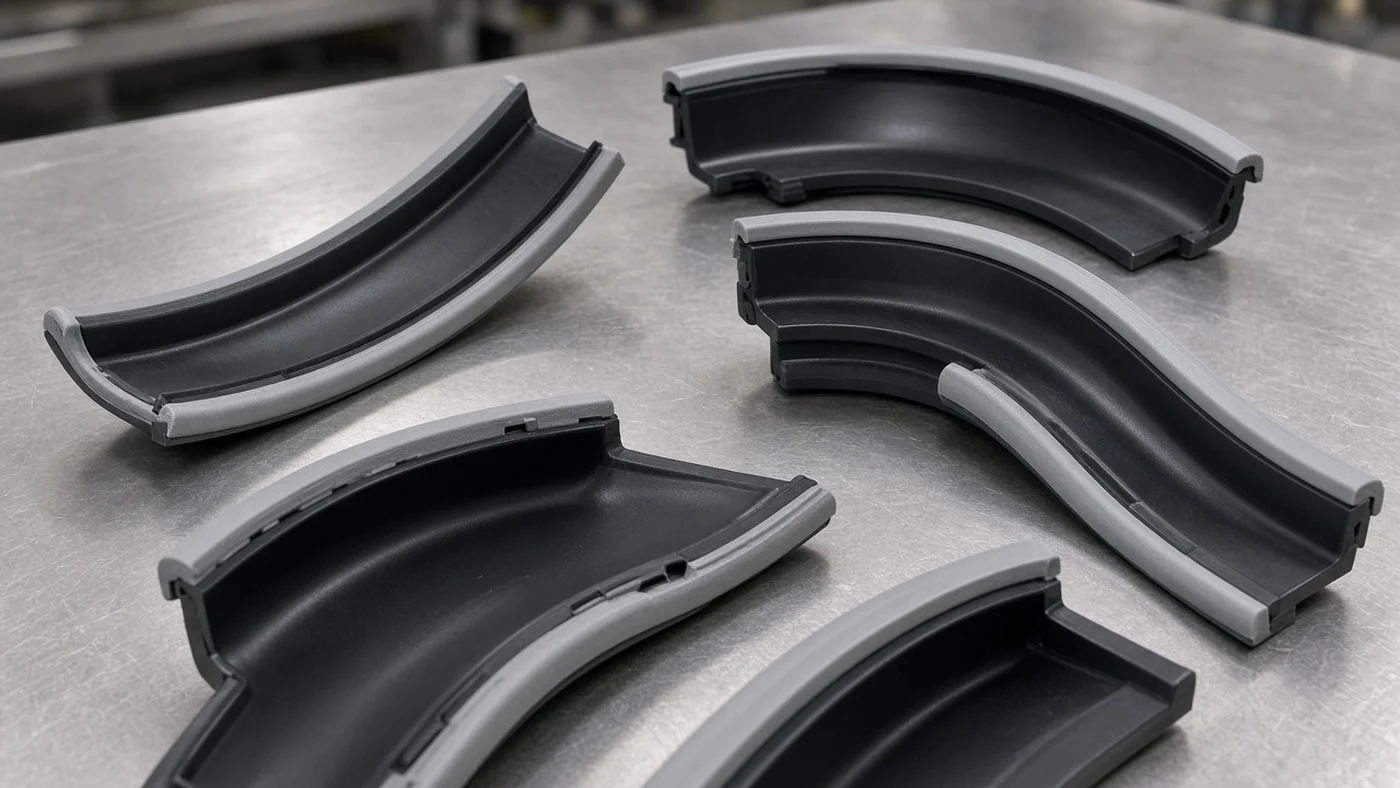
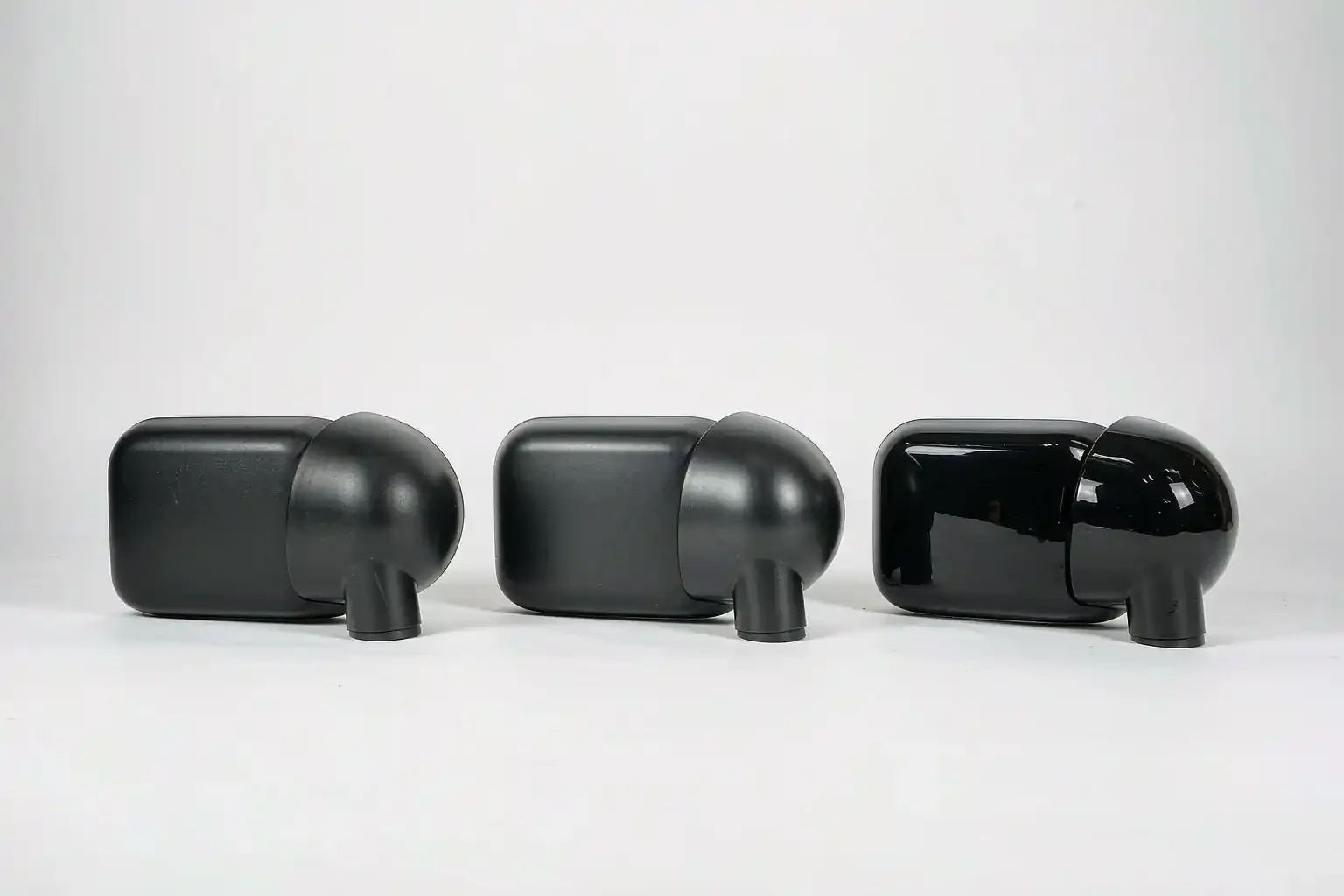
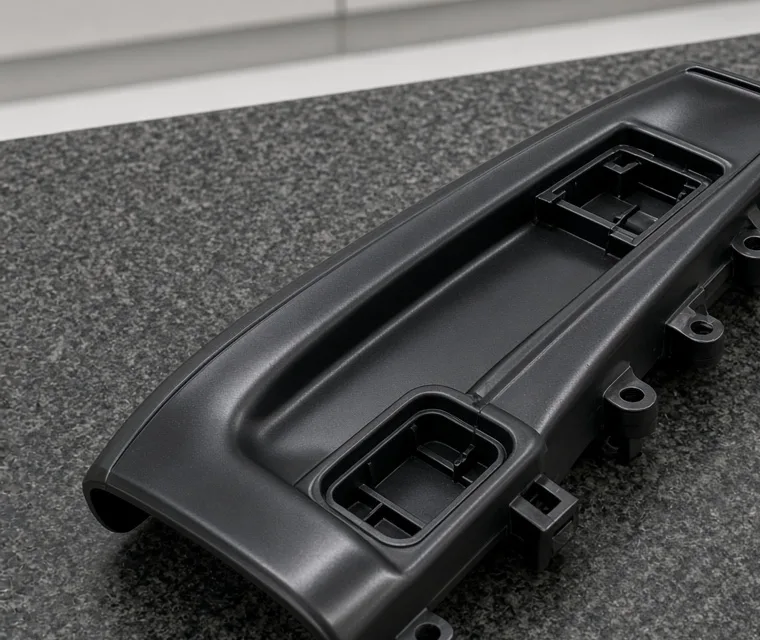
Four curved sample panels in gloss black, satin black, matte black and carbon pattern
GroupPagesTypical exterior parts
Rigid styling plasticsABS, PC and PC/ABS, ASAGrilles, mirror caps, spoilers, front lips, trim
Impact and bumper plasticsPP and TPOBumpers, fender flares, side skirts, mud flaps
Two-shot materialsPC+PMMA, ABS+TPE, PC/ABS+TPUClear-over-black trim, soft-edge covers and seals
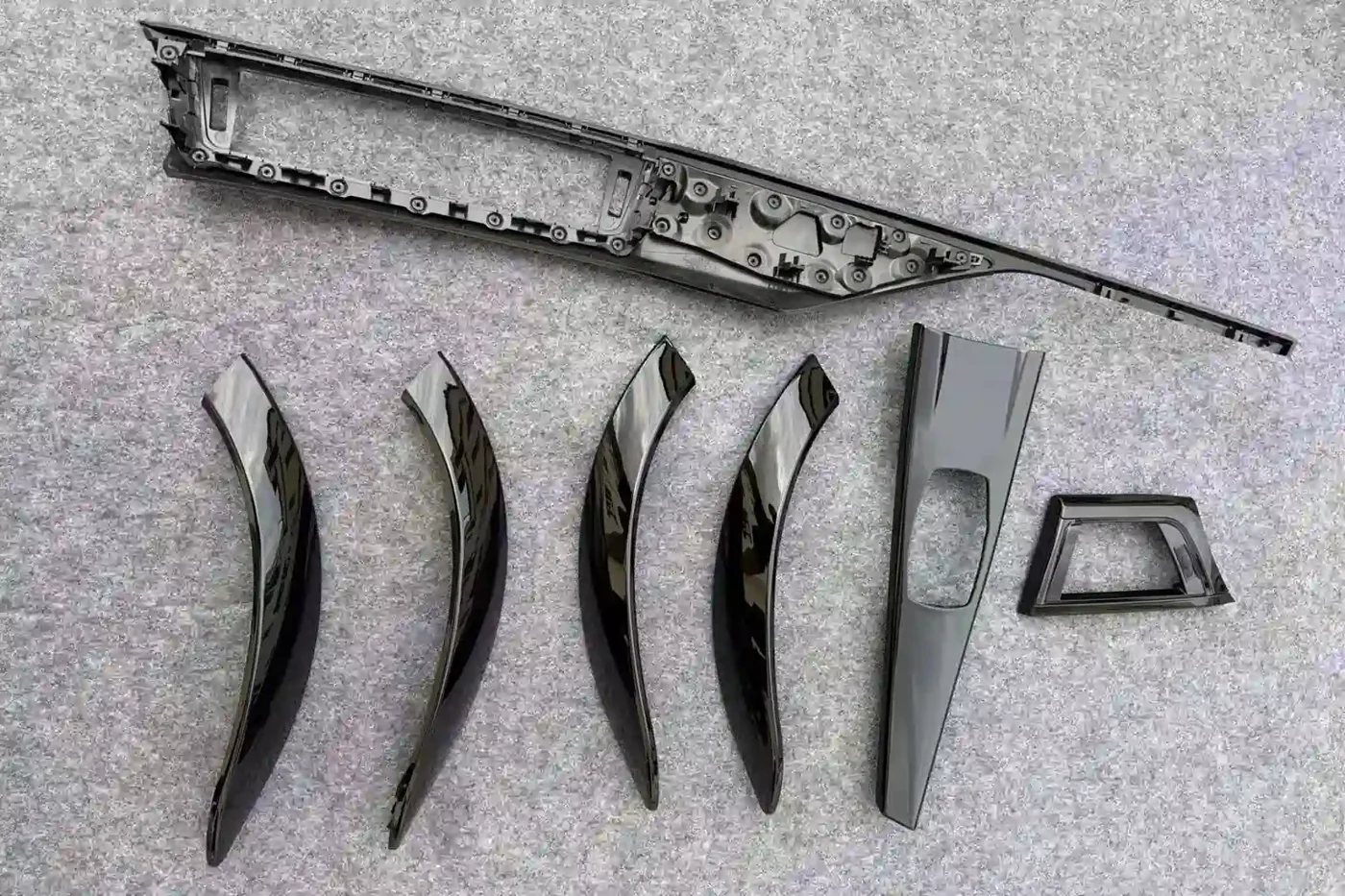
Paint finishesPiano black and gloss black, matte and satin blackSpoilers, mirror caps, diffusers, trim
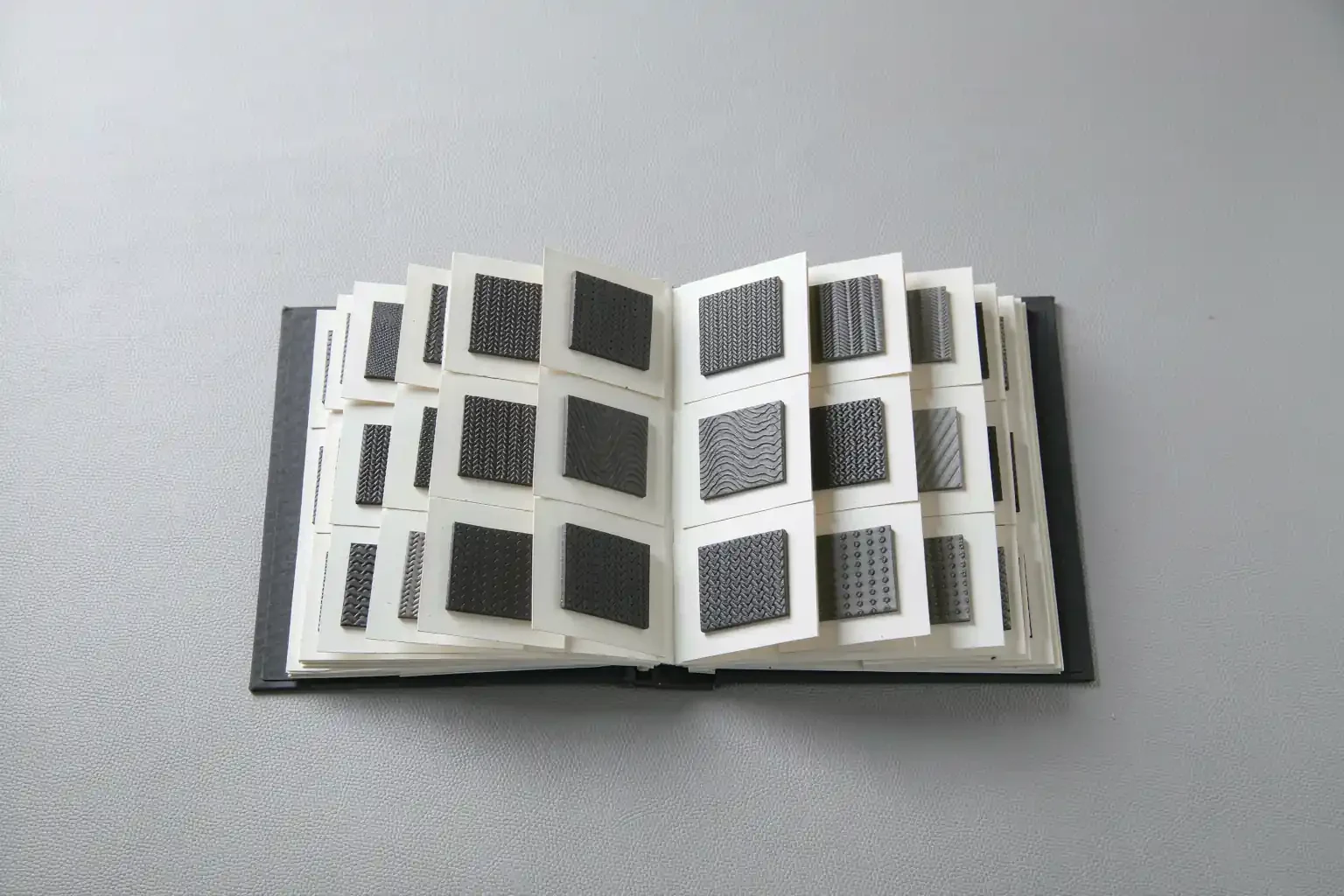
Molded and decorative finishesMold texture, carbon fiber look, primed, painted and molded-in colorFender flares, louvers, covers, body kits
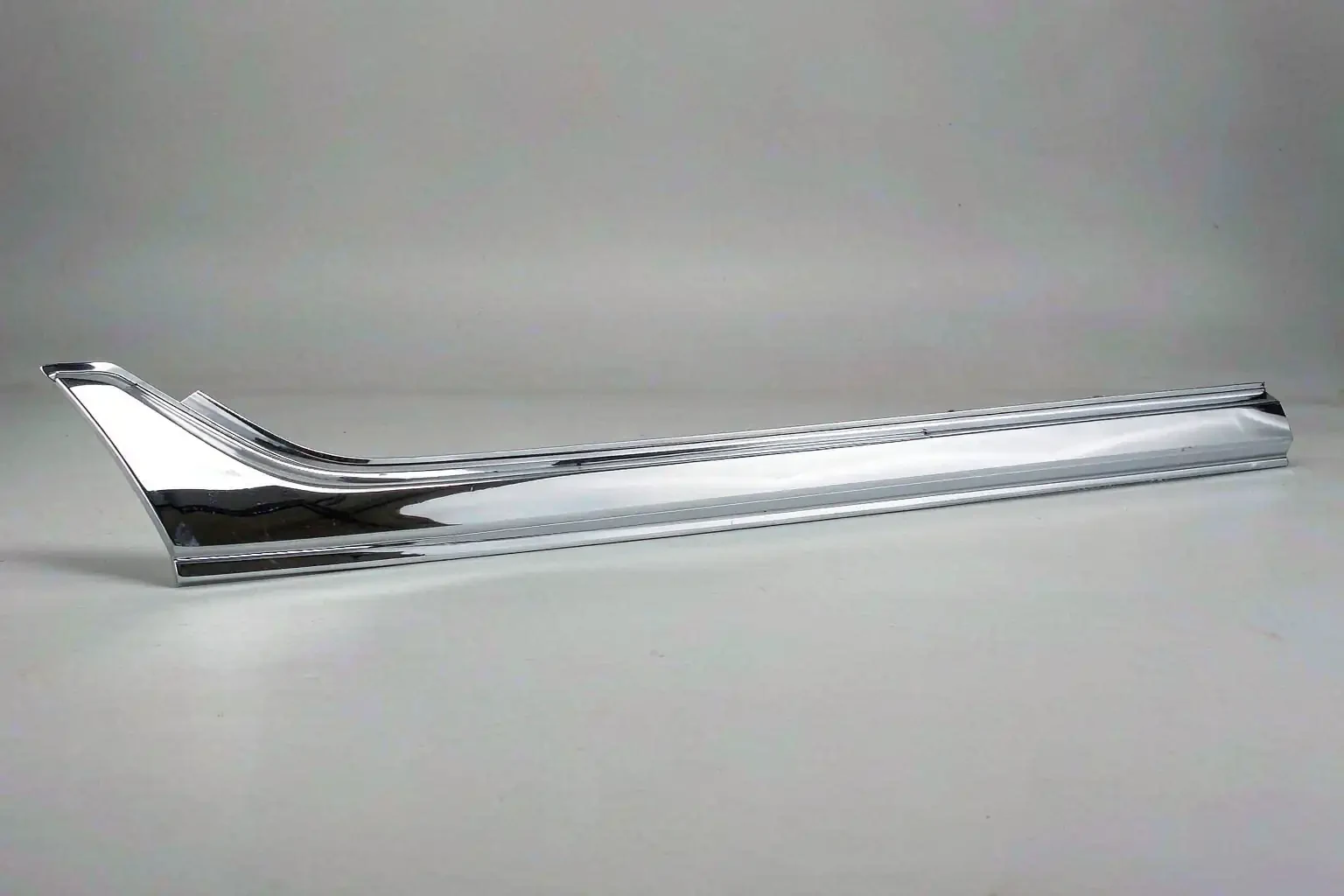
Metal finishChrome plating on plasticGrille bars, trim strips, handle covers

Key facts about automotive plastics and surface finishes at Yirox

  • Five material groups: ABS, PC and PC/ABS, ASA, PP and TPO, and two-shot pairs.
  • Paint finishes from piano black to matte black, plus mold texture, carbon look and molded-in color.
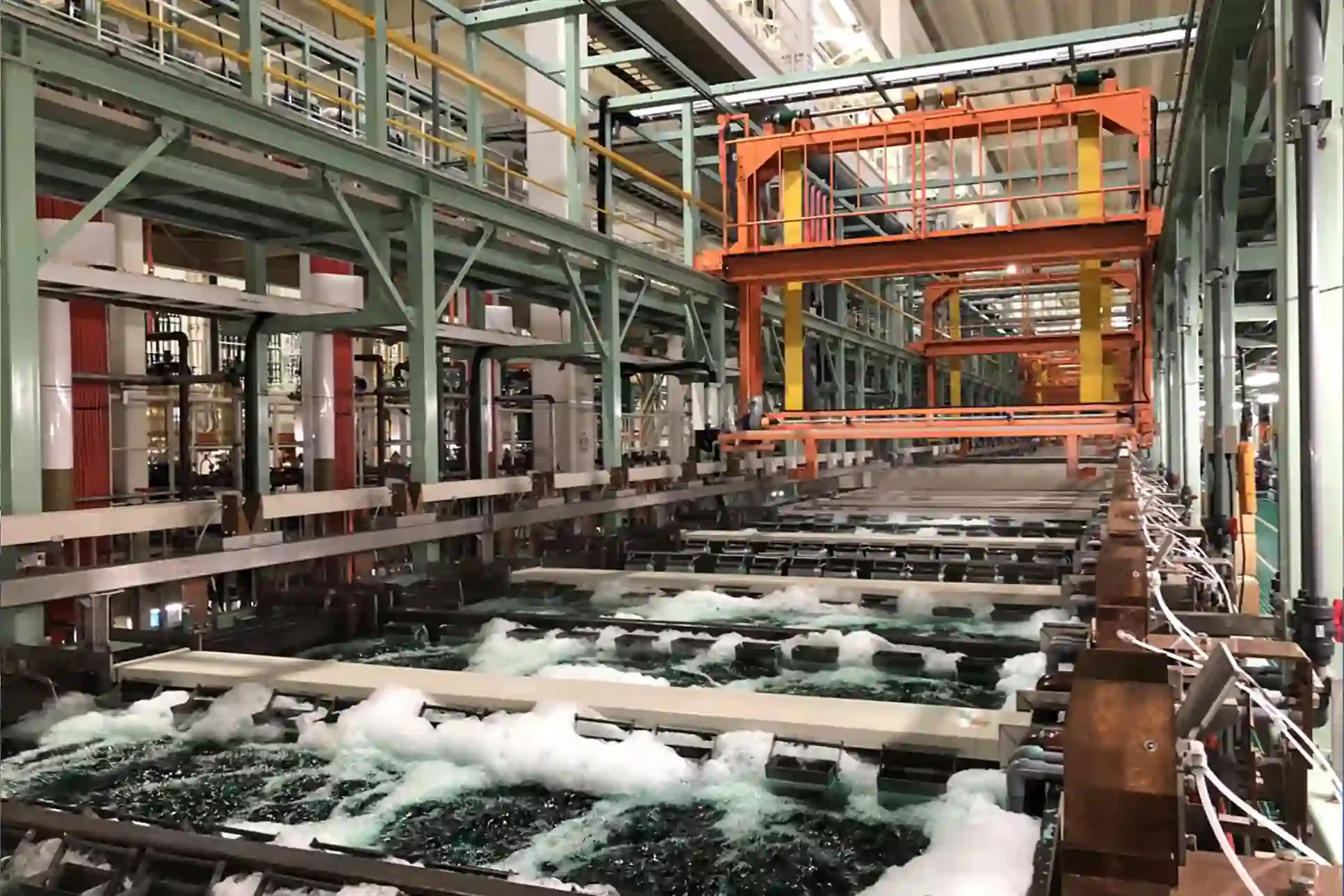
  • A 28-tank automatic rack plating line for decorative chrome on plating-grade ABS.
  • Made in our IATF 16949 and ISO 9001 certified factory of about 20,000 m² in Wuxi, China.
  • 42 injection molding machines from 90 to 2,500 t, including 3 two-shot machines.
  • Two paint lines with a 3C2B system; painted color held to ΔE*ab ≤1.0.
02 — Encyclopedia

Materials in the Library

Five material groups, plus partner composites, cover almost every exterior plastic part we make. Each page explains the material, its typical properties and the parts we mold from it.

03 — Encyclopedia

Surface Finishes in the Library

Five finish families, plus chrome plating on ABS. Each page gives the gloss targets, how the finish is made and where it is used.

04 — Encyclopedia

What Are Automotive Plastics?

Automotive plastics are the engineering polymers used to make vehicle parts that once were made of steel, glass or rubber. On the exterior of a modern car, plastic is used for bumpers, grilles, mirror housings, spoilers, wheel arch trim, side skirts, cladding and dozens of clips and brackets.

Plastic parts weigh less than metal, do not rust, can be molded into complex shapes in one step, and can be painted, textured or plated to match any styling.

Most exterior parts are made from a small group of thermoplastics. ABS and PC/ABS are used for rigid styling parts that will be painted or plated. ASA is used where the part stays unpainted in the sun. PP and TPO are used for bumpers and other large parts that must survive impacts and cold weather. Two-shot combinations add a clear layer or a soft edge in one molding cycle.

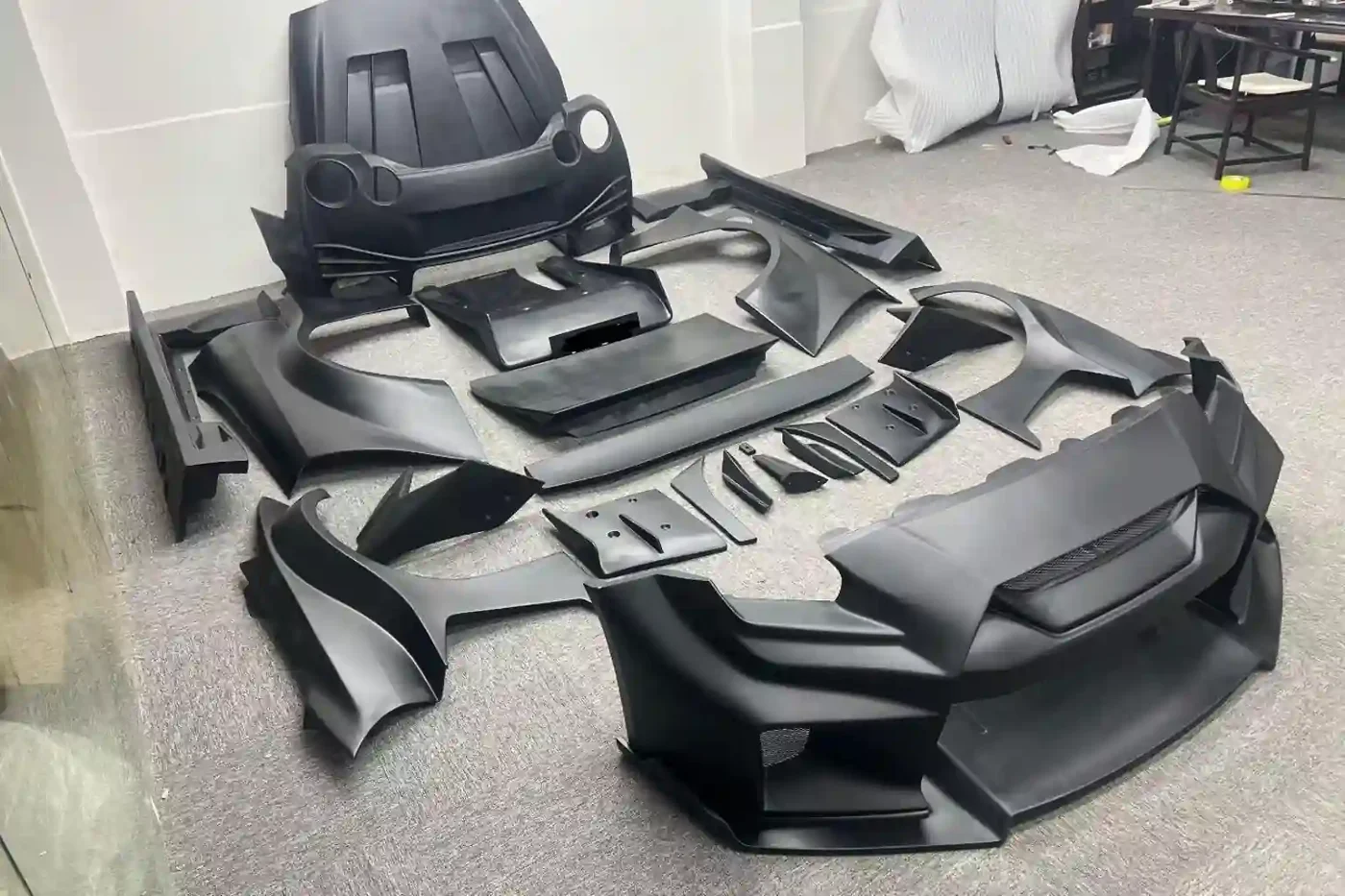
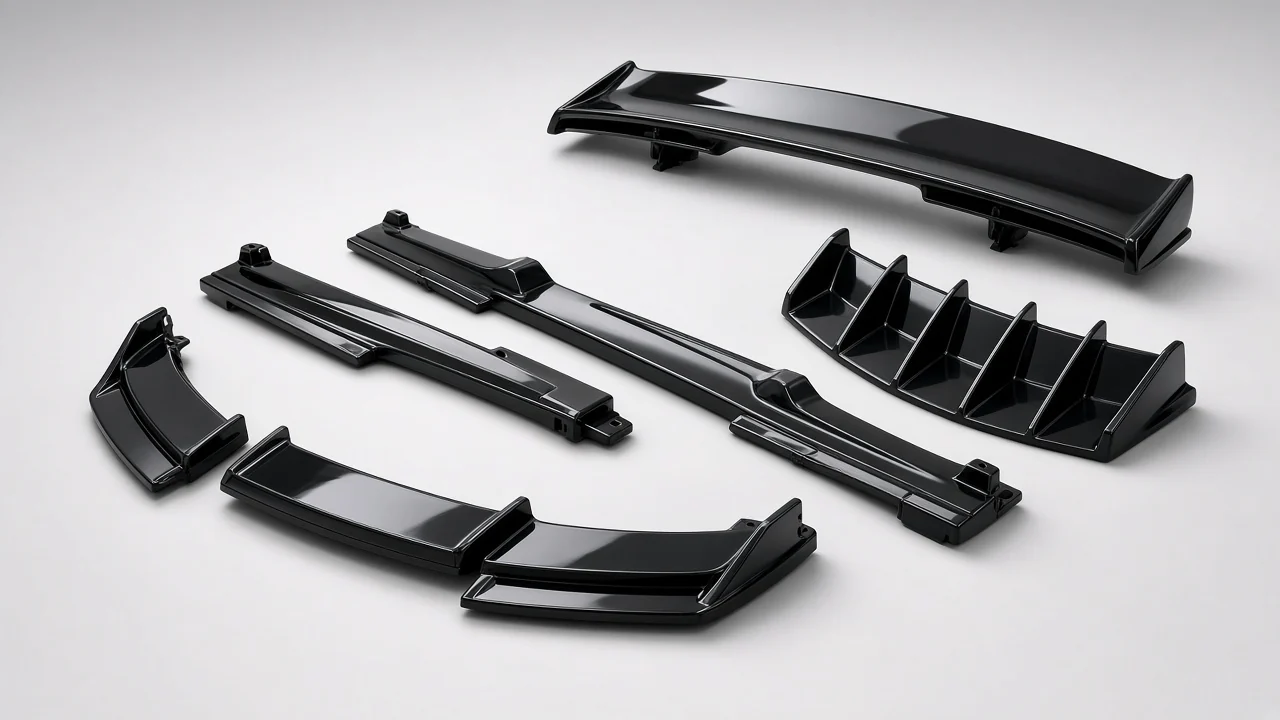
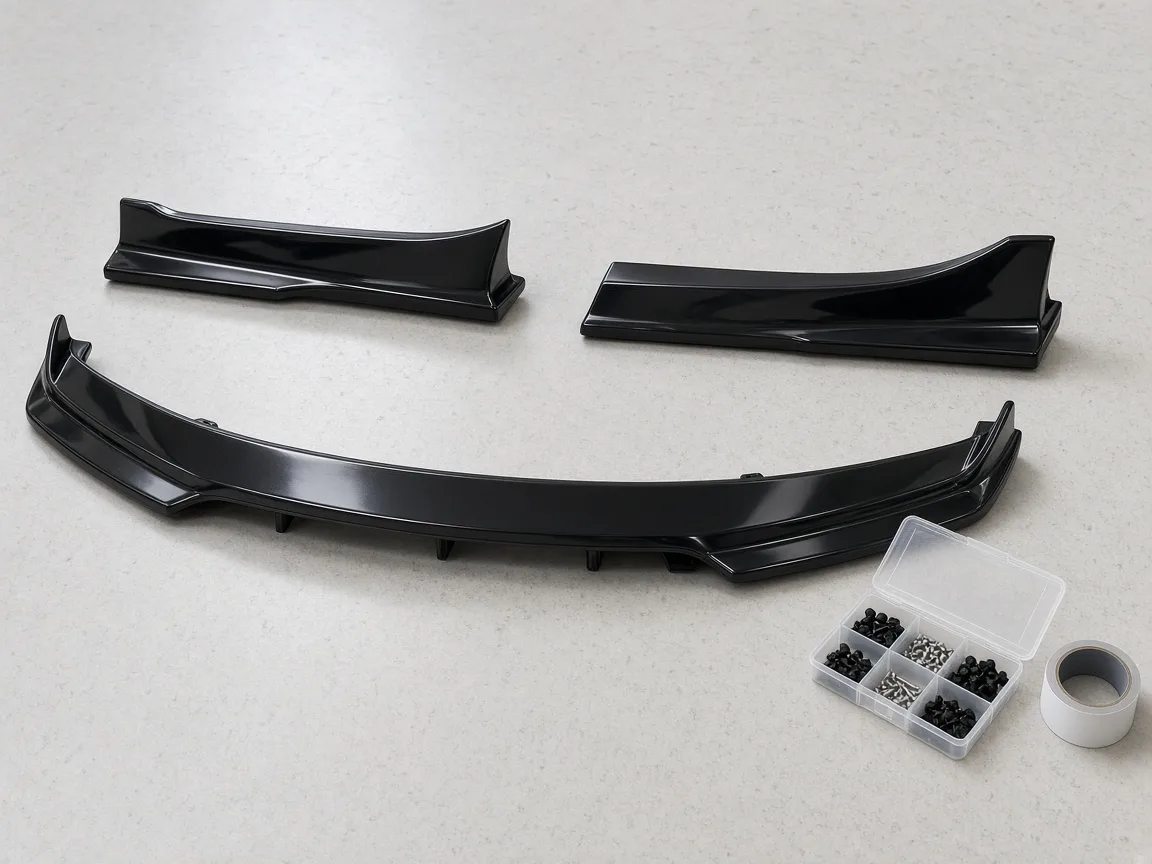
Gloss black front lip, spoiler, side skirts and rear diffuser
05 — Encyclopedia

What Are Car Bumpers Made Of?

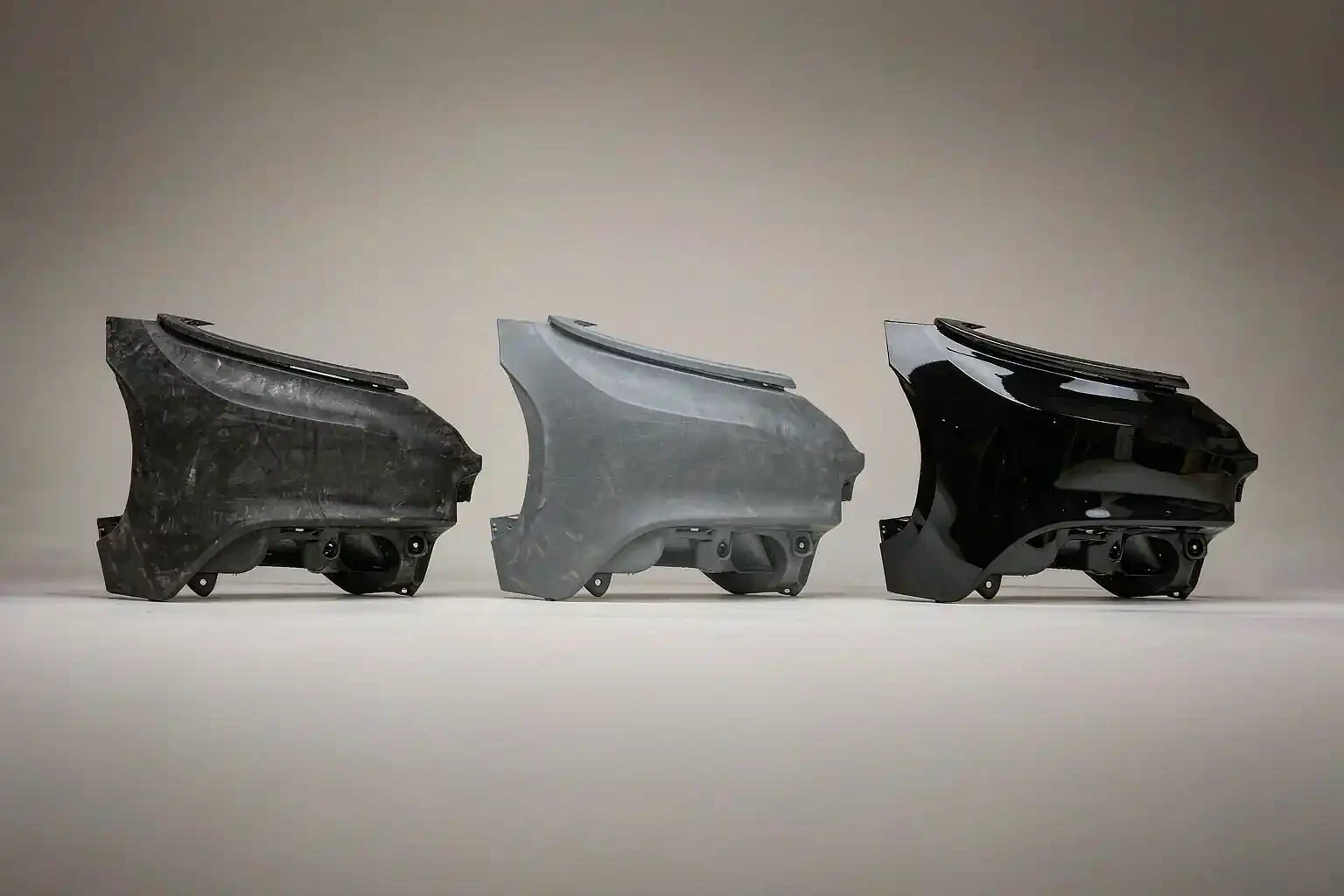
Most modern car bumper covers are made of polypropylene compounds, usually talc-filled PP or TPO. These materials are tough at low temperature, flex on impact and return to shape, and cost less than engineering plastics. The bumper cover is painted to body color after an adhesion primer is applied. Behind the cover, an energy absorber of foam or plastic and a metal reinforcement beam take the crash load.

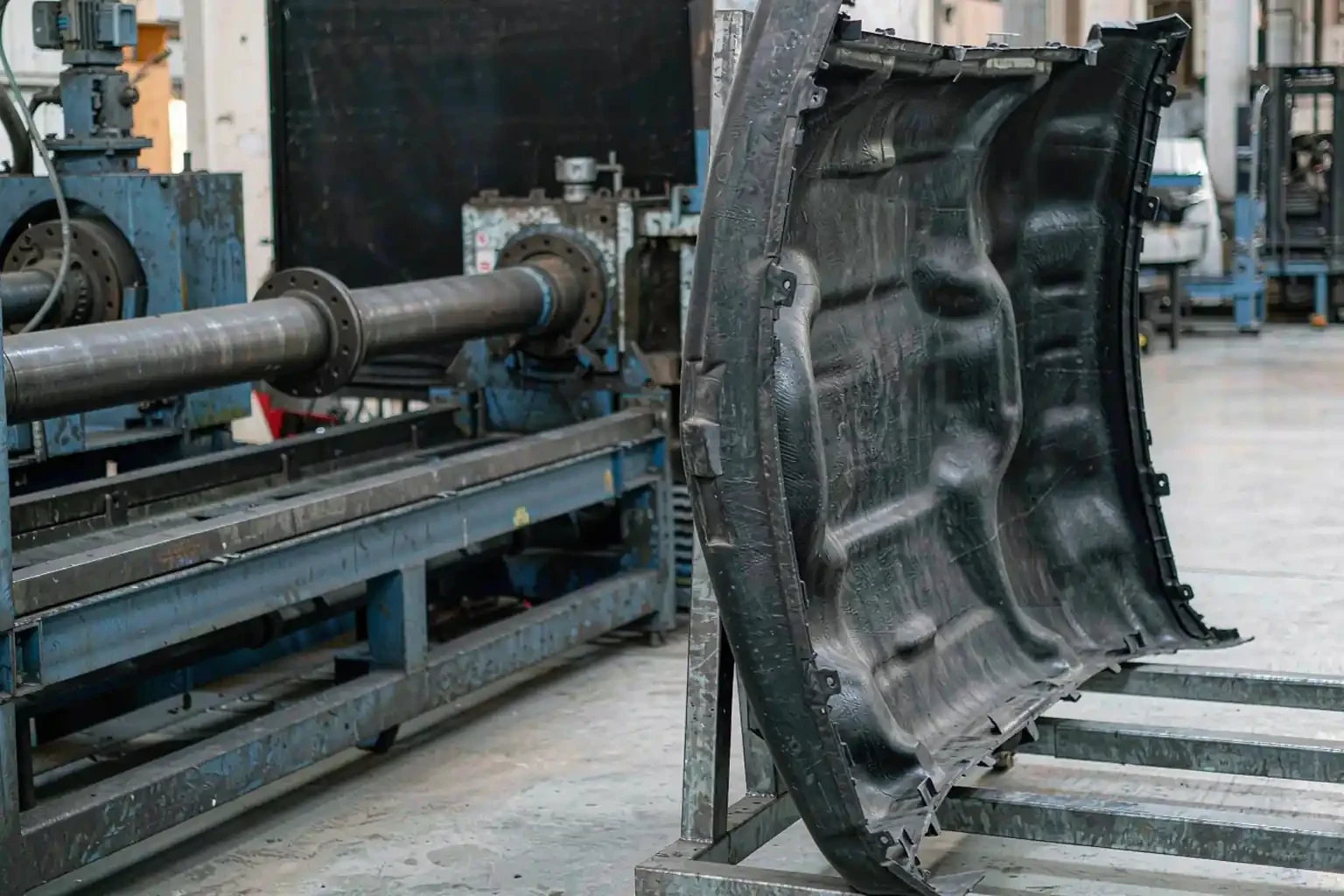
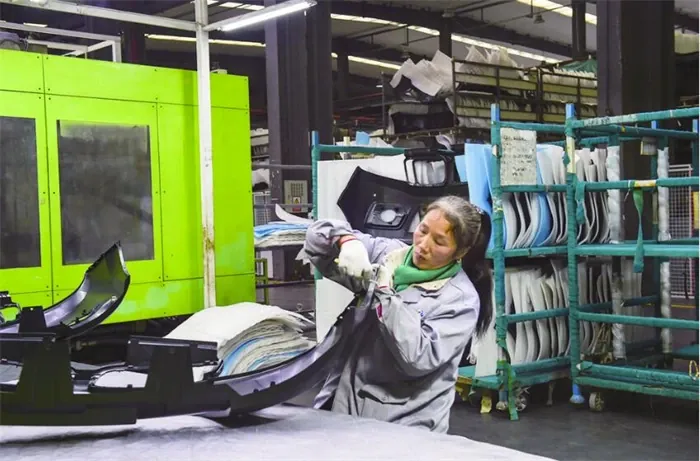
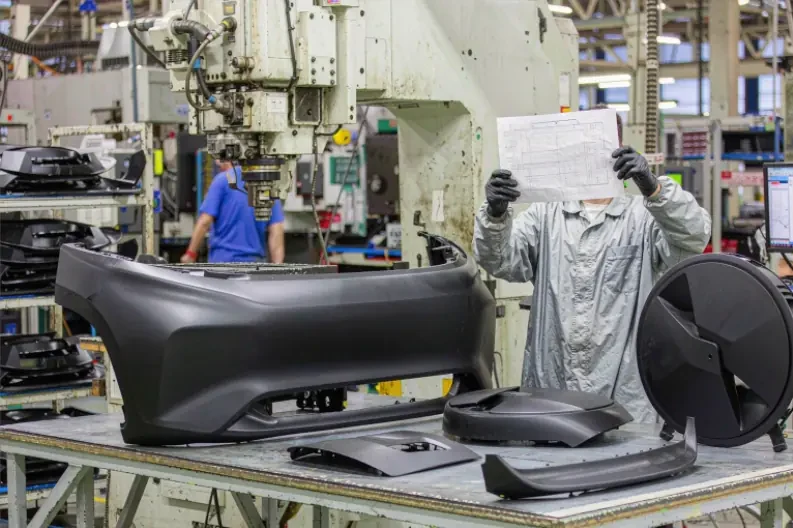
Operator handling a black injection-molded bumper part beside a molding machine

Aftermarket bumper parts such as front lips, diffusers and bumper trim are often made from ABS or PC/ABS instead, because these parts are smaller, stiffer and are usually finished in piano black, matte black or a carbon look.

06 — Service

Which Plastic for Which Exterior Part

Yirox showroom displaying automotive exterior parts and pickup accessories
PartCommon materialWhyTypical finish
Front and rear bumper coversPP / TPO (talc-filled)Impact at low temperature, flexibilityPrimer + body color paint
Fender flares and wheel arch trimPP / TPO or ASAImpact, unpainted weatheringMolded-in color with texture
Grilles and grille surroundsABS, PC/ABS, plating-grade ABSStiffness, detail, paint or chromePiano black or chrome
Mirror caps and housingsABS, PC/ABSSurface quality, heat resistanceGloss black, carbon look, body color
Spoilers and wingsABS, PC/ABSStiffness and surface for paintGloss black, matte black
Front lips, side skirts, diffusersABS, PPImpact and flex near the roadGloss or matte black, MIC
Window louvers and pillar trimASA, ABSUV stability, flatnessTextured MIC, piano black
Mud flaps and splash guardsPP, TPO, TPEFlexibilityMolded-in color
Wheel covers and center capsABS, PC/ABSDetail and finishPaint, chrome or MIC
07 — Encyclopedia

Material × Finish Compatibility

This table shows which finishes we usually combine with each material. “On request” means it is possible in principle and is confirmed by sample for your part.

Material3C2B paint (gloss)Matte / satin paintMolded-in color + textureChrome platingWater transfer carbonPrimed only
ABSYesYesYes, mainly hidden or interior-side partsPlating-grade ABS onlyYesYes
PC/ABSYesYesYesNo (ordinary PC/ABS not suitable)YesYes
ASAYesYesYes, best for unpainted exterior partsNoOn requestYes
PP / TPOYes, with PP/TPO adhesion primerYes, with adhesion primerYesNoYes, after primerYes, PP/TPO adhesion primer
Two-shot PC+PMMAUsually unpaintedNoBlack base + clear topNoNoNo
08 — Encyclopedia

Gloss Levels by Finish

Gloss is measured in gloss units (GU) with a gloss meter. We check gloss with a BYK micro-TRI-gloss meter at 20°, 60° and 85°. The 60° values below are our standard targets. High-gloss parts are also checked at 20° for distinctness of image (DOI), and matte parts at 85°. Values measured at different angles cannot be compared with each other.

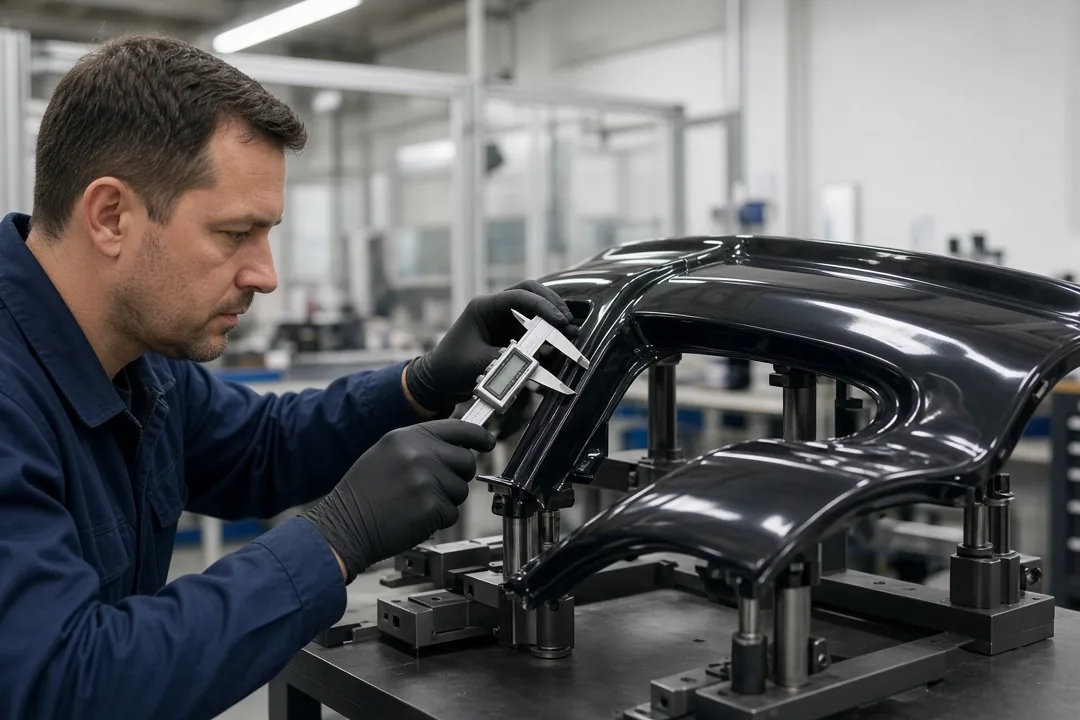
Inspector measuring a gloss black exterior part on a checking fixture
FinishGloss at 60°Extra check
Piano black≥95 GU20° / DOI
Gloss black≥90 GU20° / DOI
Satin black20–40 GU—
Matte black5–15 GU85°
Grain texture2–6 GU85°
Molded-in color (MIC)3–8 GU85°
09 — Service

How to Choose a Material

Start with the environment of the part, then the finish, then cost. Ask these questions:

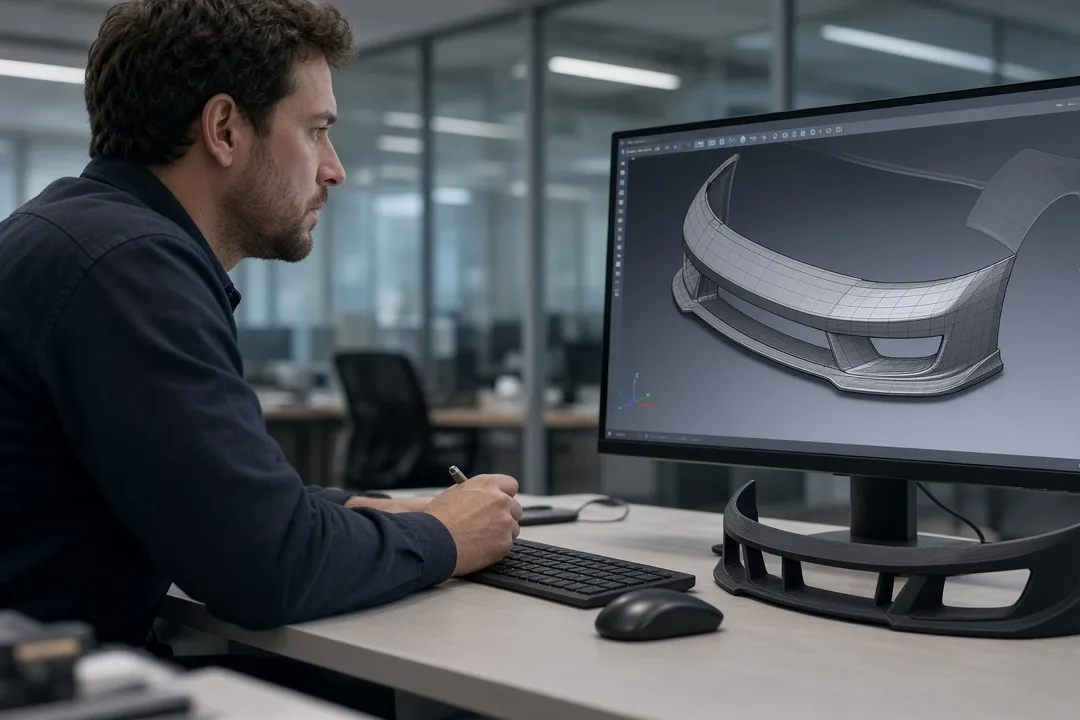
Engineer reviewing a 3D bumper model next to a sample part

Will the part be painted or plated?

Painted parts can use ABS, PC/ABS or PP/TPO. Chrome needs plating-grade ABS.

Will it stay unpainted in the sun?

Use UV-stabilized ASA, or a weather-stable PP/TPO compound.

Does it take impacts or flex?

Bumpers, flares and lips near the road suit PP, TPO or tough ABS grades.

Does it sit near heat?

PC/ABS has higher heat resistance than ABS for larger parts and dark colors.

Does it need a clear layer or a soft edge?

Two-shot PC+PMMA, ABS+TPE or PC/ABS+TPU combine two materials in one part.

What is the volume and budget?

Molded-in color and texture remove the paint step. Piano black and chrome cost more but sell at a higher price.

Not sure which material fits your part?Tell us the part, where it mounts and the finish you want, and we will recommend automotive plastics and a finish.

10 — Encyclopedia

Typical Material Properties

These are typical published datasheet ranges for unfilled general-purpose grades, collected from resin manufacturers’ technical data sheets. They are for comparison only and are not Yirox test results. Exact values depend on the grade chosen for your part.

PropertyABSPC/ABSASAPP copolymerTPO
Density (g/cm³)1.03–1.071.10–1.171.06–1.080.90–0.910.95–1.05
Tensile strength (MPa)38–5045–6040–5020–3015–25
Notched Izod impact (J/m)200–400400–700100–30080–500400–no break
Heat deflection at 0.45 MPa (°C)90–100110–13090–10085–10080–100
Mold shrinkage (%)0.4–0.70.5–0.70.4–0.71.2–2.00.8–1.2
UV resistance unpaintedPoorFairExcellentFair with stabilizerGood with stabilizer
11 — Capability

How We Turn Materials Into Finished Parts

  1. 01

    Material choice

    We review the part, finish and use, and recommend a material family and grade type at the DFM stage.

  2. 02

    Drying and molding

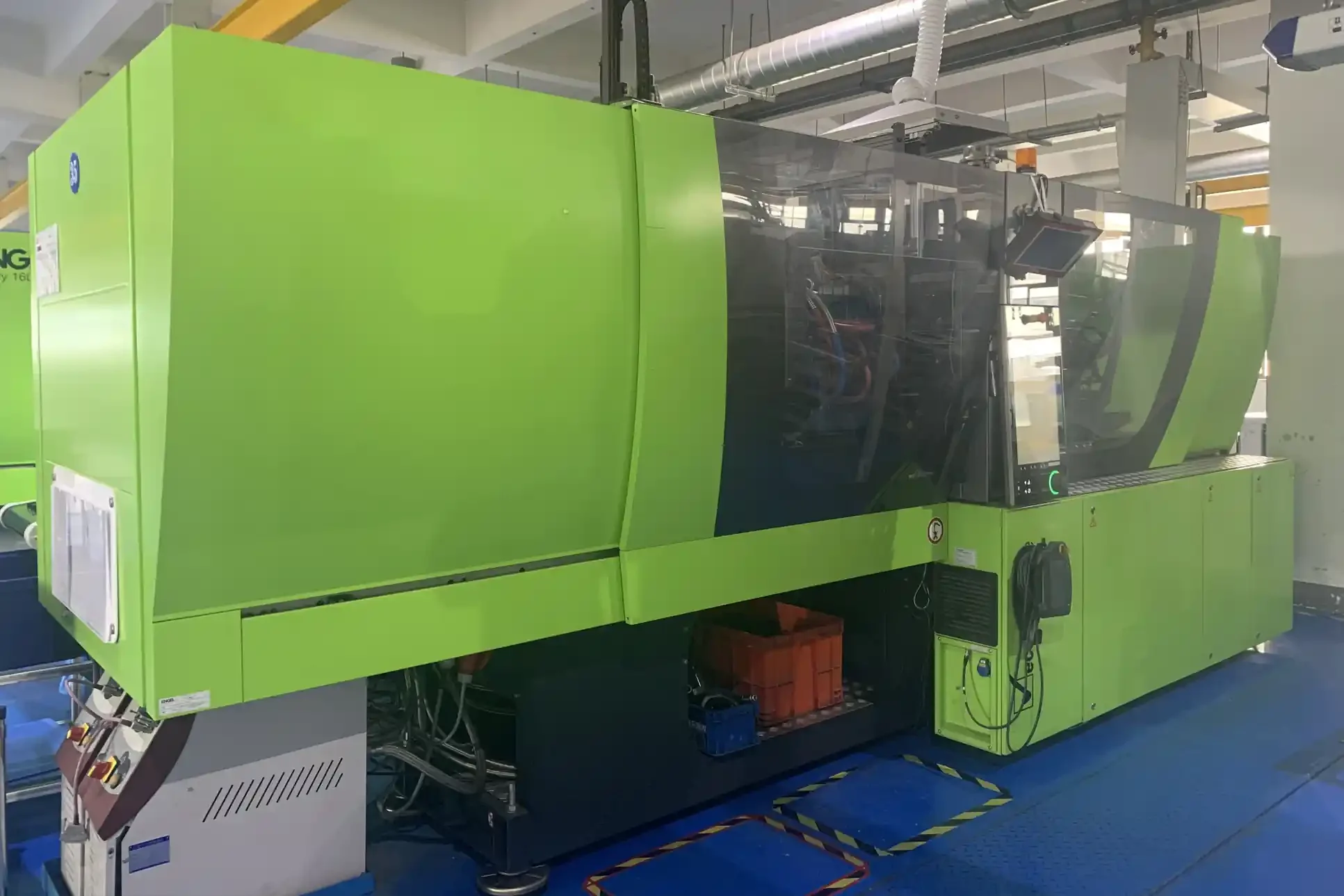
    Resin is dried in our 30 desiccant dryers and molded on 42 machines from 90 to 2,500 t.

  3. 03

    Surface preparation

    Parts for paint are cleaned, pre-treated and primed; PP and TPO get an adhesion primer.

  4. 04

    Finishing

    3C2B paint, matte paint, water transfer printing or chrome plating in our own lines.

  5. 05

    Inspection

    Gloss, color, film thickness and adhesion are checked with our own instruments.

  6. 06

    Packing

    Finished surfaces are protected and packed for export.

12 — Capability

Our Finishing Capability

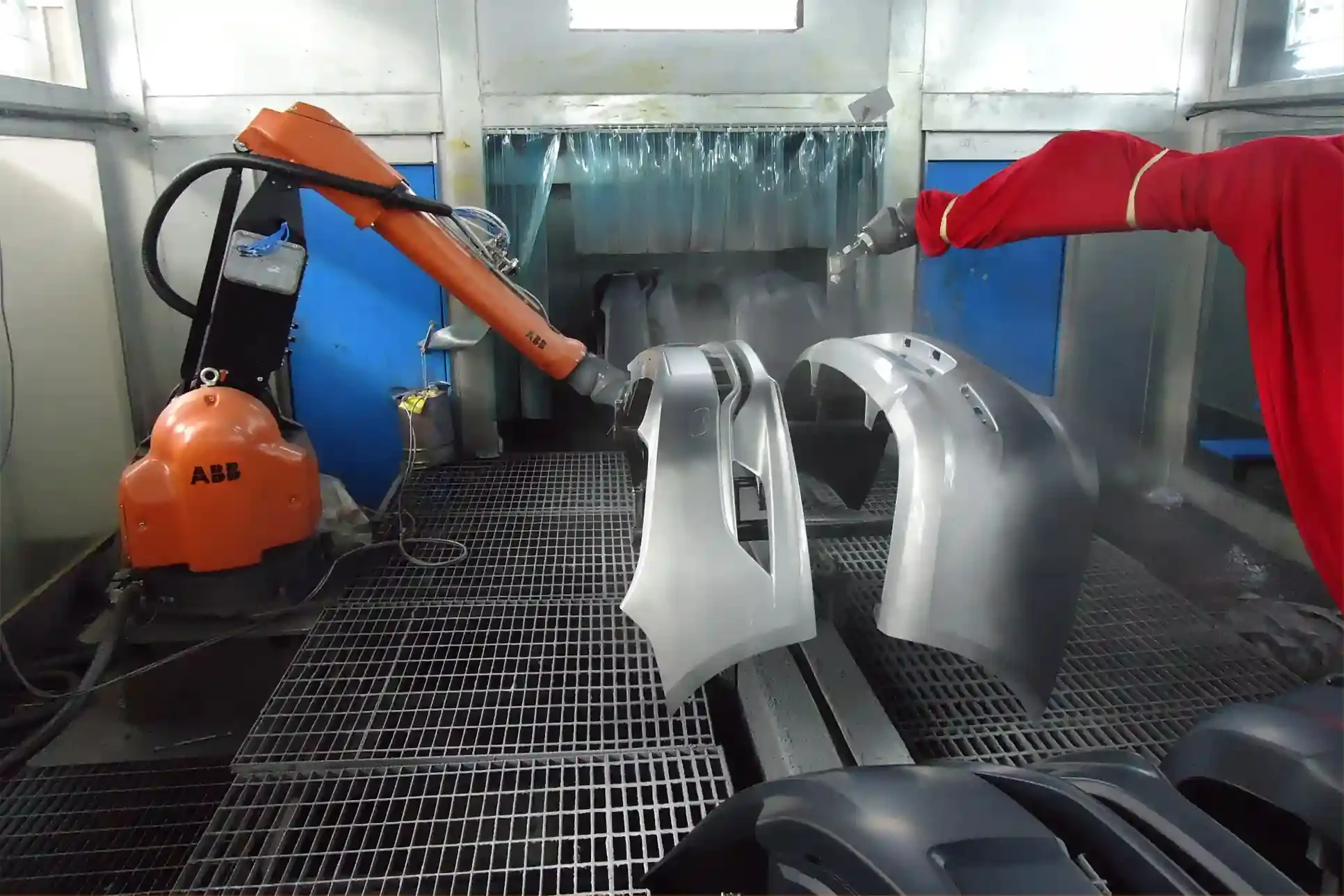
Robots spray-painting bumper covers in a paint booth

Two paint lines

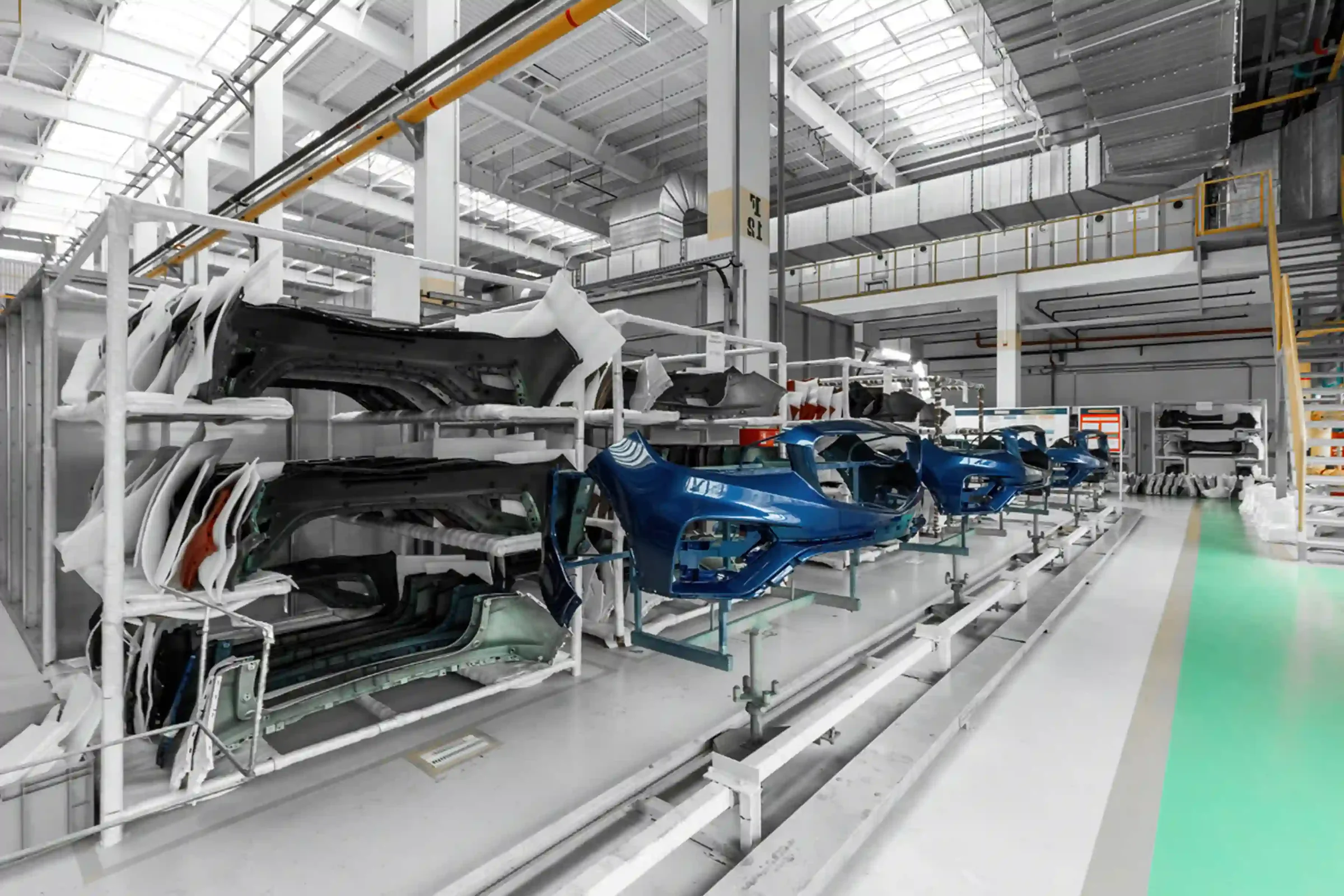
L1 rotary automatic line with 24 stations and L2 overhead conveyor line, 3C2B paint system, UV clearcoat optional.

Clean rooms

Spray booths ISO 8 (Class 100,000), flash-off and oven ISO 7 (Class 10,000).

Color and film control

Color ΔE*ab ≤1.0 (critical ≤0.8), total film 35–50 μm, cross-hatch adhesion grade 0–1.

Chrome plating line

28-tank automatic gantry line, Cu/Ni/Cr ≥32 μm, trivalent chrome as standard.

13 — Capability

Testing Materials and Finishes

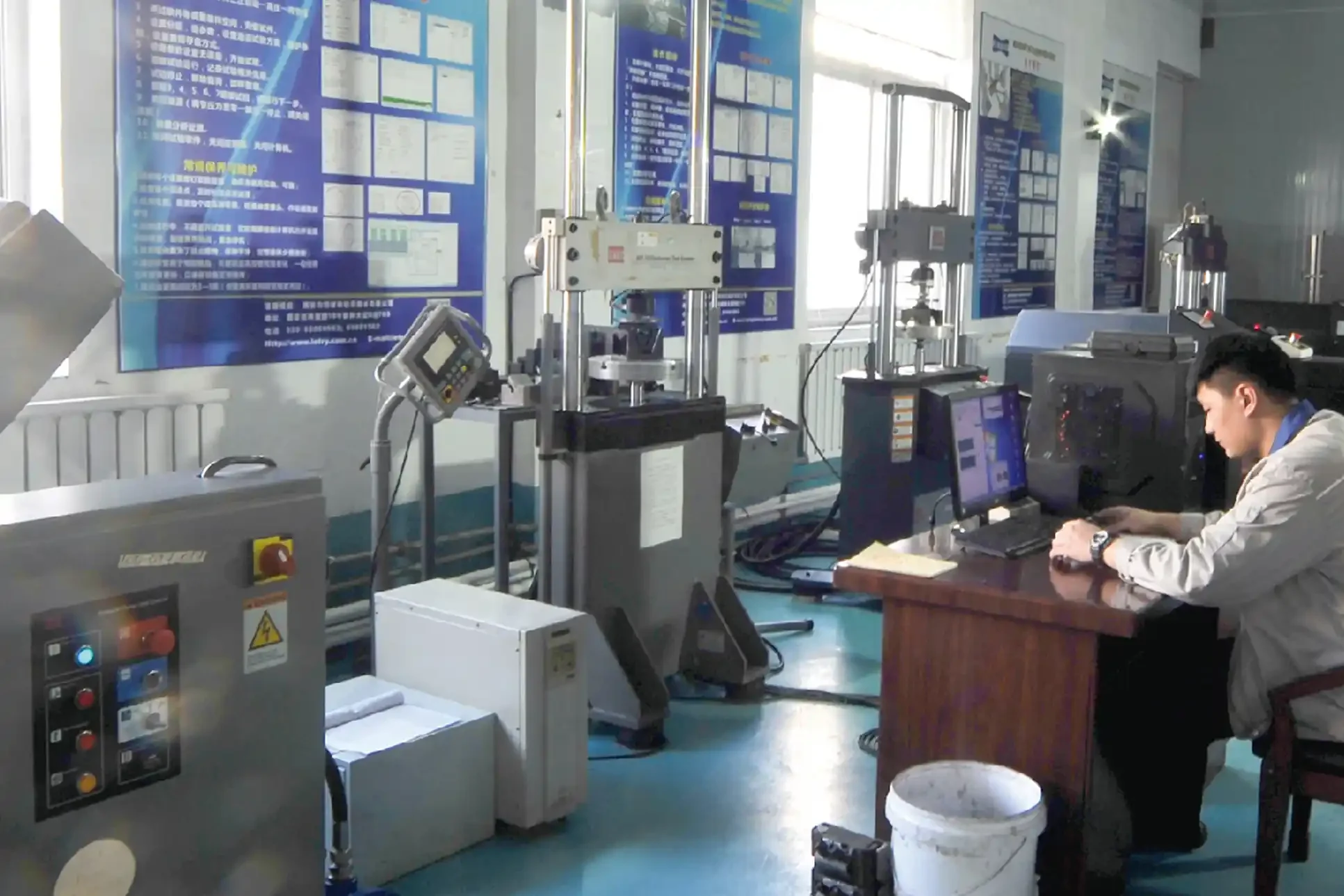
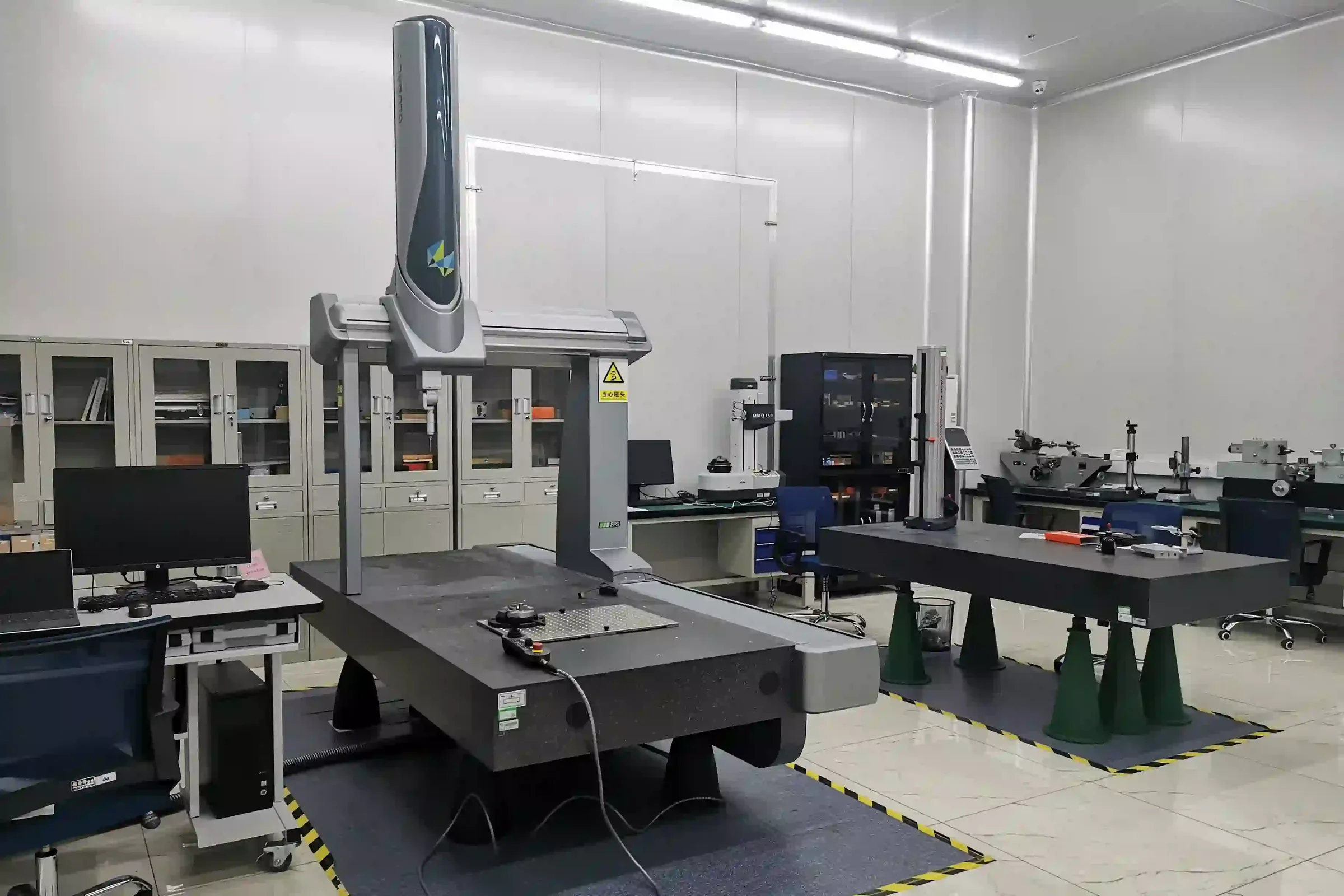
Appearance is checked in-house with a BYK micro-TRI-gloss meter, an X-Rite Ci64 spectrophotometer and a BYK coating thickness gauge, and parts can be cycled in our −40 to 150 °C temperature chamber. Durability tests are run by accredited outside labs (SGS, CTI, CNAS-accredited) to the methods in your specification:

Technician at a universal testing machine in the Yirox testing lab
  • Adhesion: ISO 2409 / ASTM D3359 cross-hatch, ASTM D4541 pull-off
  • Weathering: QUV 500 / 1,000 h, xenon arc 2,500 kJ/m²
  • Corrosion: salt spray ASTM B117 480 / 720 h, CASS 24 / 48 h
  • Humidity: ISO 6270-2

Need a finish to pass a test?Tell us the tests your customer requires and we will confirm the material, finish and test plan.

What Buyers Say About Our Materials and Finishes

Buyers on material, finish and quality questions we worked through with them.

“Gloss black parts are unforgiving. Small differences become obvious when they’re installed next to each other. We wanted more than a visual check, and the colour inspection records gave our quality team something objective to work with.”
Quality Assurance ManagerAutomotive Surface Finishing
“Chrome trim looks simple until you start checking the edges, reflections and surface consistency. We appreciated that the team understood our appearance requirements and was willing to review the details with us rather than just saying the finish was acceptable.”
Product Quality SupervisorDecorative Exterior Trim
“Most suppliers were happy to quote our drawings as they were. Yirox pointed out two areas that might cause trouble during molding. It wasn’t the answer we expected, but it was exactly the kind of feedback we needed.”
Product Development ManagerOEM Plastic Components

Names and companies withheld at the customer’s request.

15 — FAQ

FAQ

What plastics are used for car exterior parts?

The main ones are ABS, PC/ABS, ASA, PP and TPO. ABS and PC/ABS are used for rigid styling parts that are painted or plated, ASA for unpainted parts in the sun, and PP or TPO for bumpers and other impact parts.

What are car bumpers made of?

Most bumper covers are talc-filled polypropylene or TPO, painted after an adhesion primer. Smaller aftermarket bumper parts such as lips and diffusers are often ABS or PC/ABS.

Which plastic is best for unpainted exterior trim?

UV-stabilized ASA keeps its color and gloss in sunlight better than ABS. Weather-stable PP or TPO compounds are also used for textured flares and cladding.

Can every plastic be chrome plated?

No. We chrome plate plating-grade ABS (PA-727 / HR-500 equivalent). Ordinary PC/ABS, ASA and PP are not suitable for our plating line.

Are the property values on these pages your test results?

No. Property tables show typical published datasheet ranges from resin manufacturers. Your part’s grade and test values are confirmed in the quote and sample stage.

Do you supply carbon fiber or fiberglass parts?

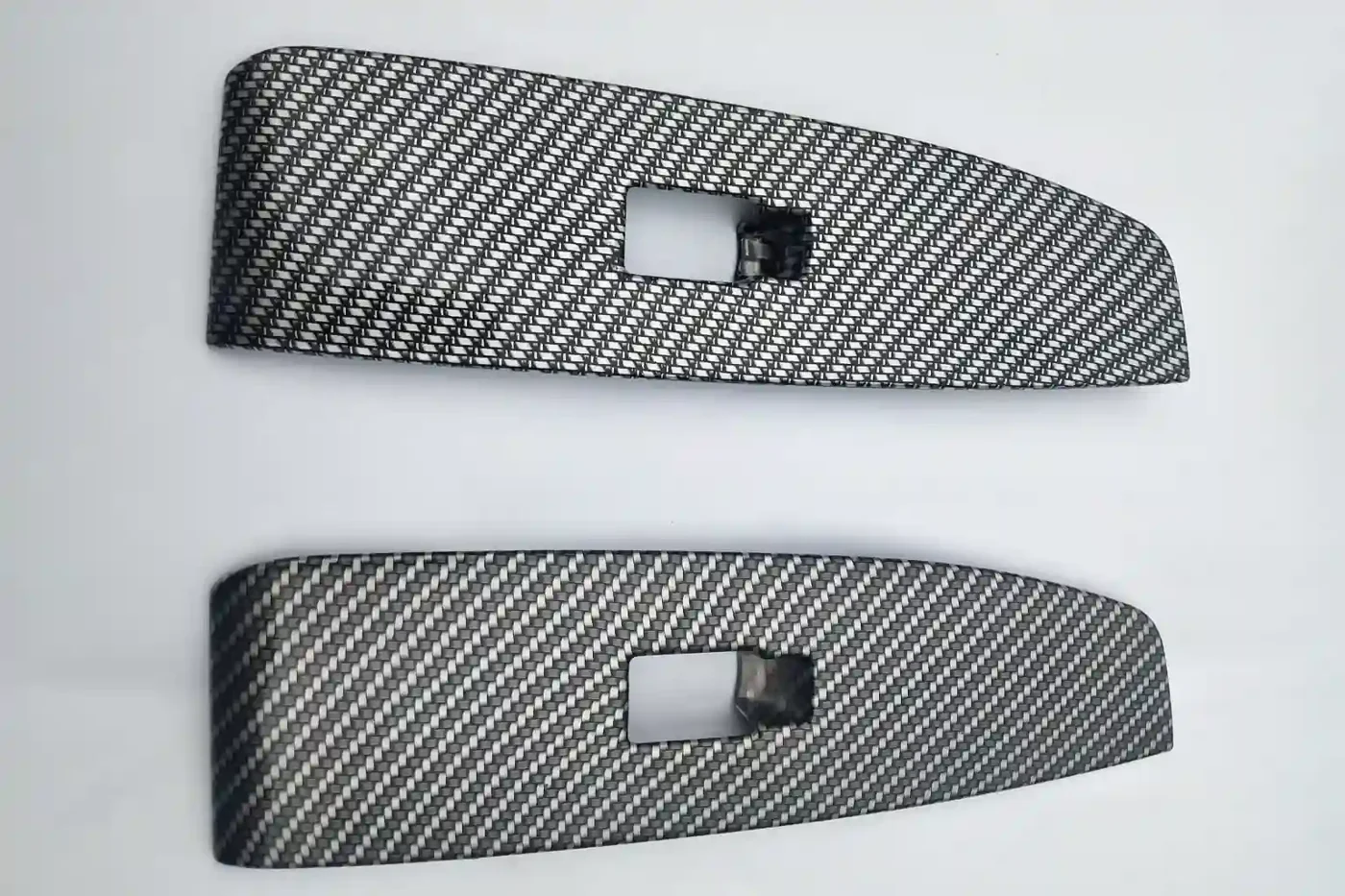
Yes, through partner composites factories. Our own factory makes molded plastic parts, including a carbon fiber look by water transfer printing or film.

What is the minimum order quantity?

We offer low MOQ on selected items. The quantity for your part is confirmed in your quote.

Get Material and Finish Advice

Send your drawing or sample and tell us how the part is used. We will recommend a material and finish and reply with a quote.

Request a Quote

Tell us the part, vehicle and quantity. An engineer replies by email.

Tell Us About Your Sourcing Project