



A bumper cover is the painted plastic shell you see at the front or rear of a car, while the bumper is the hidden beam behind it, usually steel or aluminum, that takes the impact. They are different parts with different jobs, prices and repair rules. This guide explains how to tell them apart and which one you need.
Scope: this guide covers passenger cars, SUVs and light trucks with plastic bumper covers. Heavy-duty trucks with exposed steel bumpers are mentioned only for comparison. Repair rules for sensors differ by carmaker and model, so always check the repair manual for the exact vehicle.
What is a bumper?
On a modern car, the bumper is the reinforcement beam bolted across the front or rear of the frame. You normally cannot see it. It is a steel or aluminum bar, sometimes called the rebar, impact bar or bumper reinforcement. It is mounted to the frame rails through brackets or crush boxes, and it usually has an energy absorber in front of it made of foam or molded plastic.

The bumper system is there to spread and absorb the force of a low-speed hit, so that more expensive parts such as the radiator, cooling parts, hood latch and trunk lid are less likely to be damaged. In a larger crash, the beam also ties the two frame rails together so they can share the load. That makes the bumper a structural and safety part, not a cosmetic one.
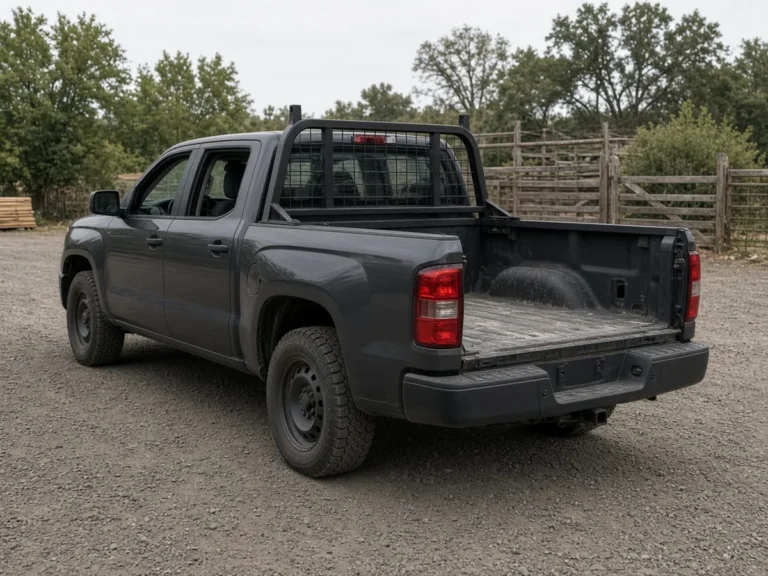
Older cars and many heavy-duty pickups still use an exposed metal bumper, where the beam and the visible part are the same thing. Aftermarket steel bumpers for off-road trucks work the same way 5. On almost every passenger car built in the last few decades, though, what you see is the cover, and the bumper is hidden behind it. For the add-on guards that bolt in front of a truck bumper, see our guide to bull bar vs grille guard vs bumper guard.
What is a bumper cover?
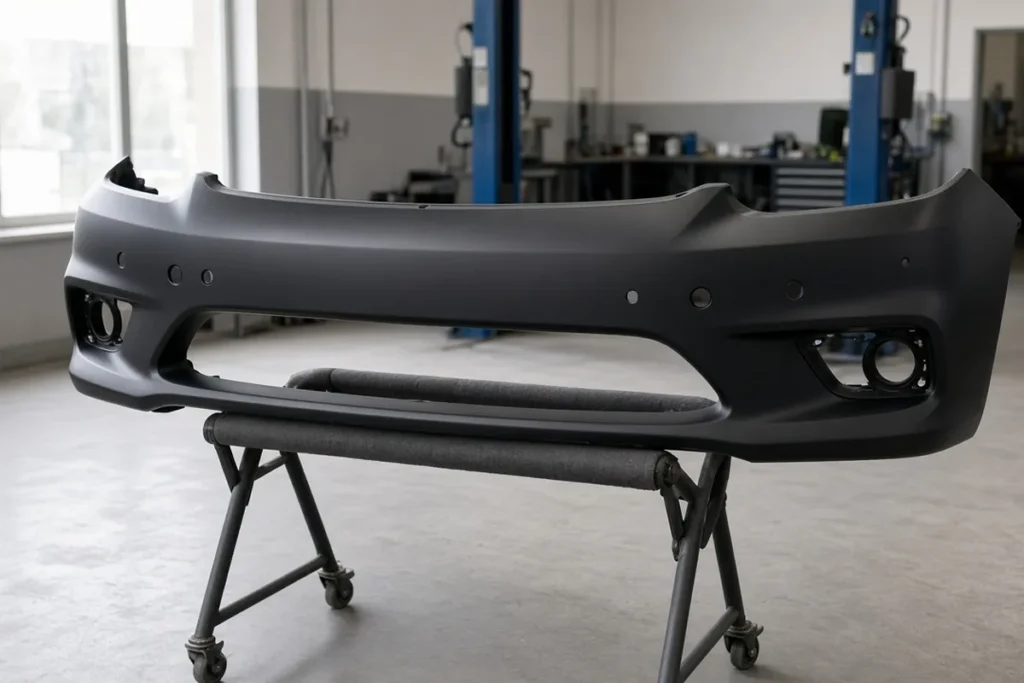
A bumper cover, also called a bumper fascia, is the molded plastic skin that covers the bumper beam and gives the front or rear of the car its shape. It is usually made from polypropylene-based plastic and painted to match the body. It holds or frames many other parts: the grille, trim openings, license plate area, parking sensors, radar units, tow-hook covers and air intakes.
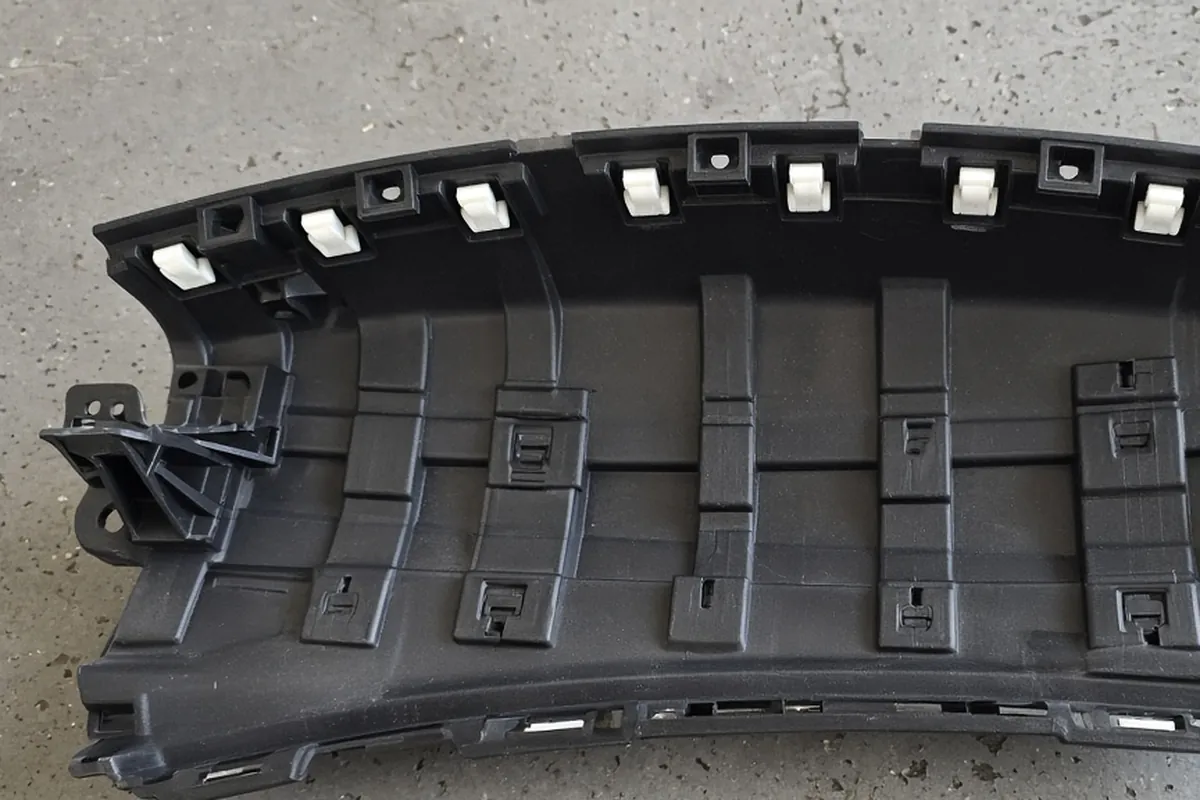
The cover is attached with clips, screws and brackets along the fenders, the grille area and the underside. It can flex a little in a light bump and return to shape, which is why small parking hits often leave only scuffs. But the cover on its own offers little protection. If it is pushed in hard, the beam and absorber behind it take the energy.
Front and rear covers differ. A front bumper cover usually includes the lower grille, intake openings and sometimes radar or parking sensor provisions. A rear cover often has the license plate area, exhaust cut-outs and blind-spot radar zones on the corners.
Bumper cover vs bumper: what is the difference?
The simplest way to see the difference is to look at the full stack of parts from the outside in. The table below lists each layer and what it does.
| Layer (outside to inside) | Typical material | Main job | Visible? |
|---|---|---|---|
| Bumper cover (fascia) | PP or TPO plastic, painted | Shape, styling, airflow, mounts for sensors and trim | Yes |
| Energy absorber | Expanded foam or molded plastic honeycomb | Absorbs energy in low-speed hits | No |
| Bumper beam (reinforcement) | Steel or aluminum | Takes and spreads impact load | No |
| Brackets and crush boxes | Steel or aluminum | Connect the beam to the frame rails | No |
| Clips, retainers and side brackets | Plastic or metal | Hold the cover in place and set the gaps | No |
This is why “bumper” in a repair quote can mean different things. A body shop may write “replace front bumper” when only the cover is being replaced. Before you approve the work or order a part, ask which layers are included. A cover alone is much cheaper than a full assembly with beam, absorber and brackets.
The cover and the beam also need different checks. A cover needs to match the shape, gaps and paint of the car. A beam needs to match the crash structure the carmaker designed, so its material, thickness and mounting must be right.
How much impact is a bumper built to take?
You will often read that bumpers are designed to survive a 5 mph impact without damage. That figure is out of date for the United States. The current federal bumper standard, 49 CFR Part 581, tests passenger cars with a pendulum at 2.5 mph front and rear, and 1.5 mph on the corners, followed by a 2.5 mph barrier impact 1.
The standard also defines what “no damage” means. After the tests, the hood, trunk and doors must work normally, and fluid systems must not leak. The exterior surfaces must not lose paint or change shape, except on the bumper face bar and its direct fasteners 1. In other words, the rule protects the parts behind the bumper. It does not promise that the bumper itself stays perfect.
There is an important limit. Part 581 applies to passenger cars, and it excludes multipurpose passenger vehicles, a class that covers many SUVs and pickups 1. So the low-speed performance of an SUV or truck bumper depends more on the carmaker’s own design targets than on this federal rule.
When do you replace the cover, the bumper or both?
Most minor damage only affects the cover. Damage that reaches the beam or brackets is more serious and should be checked by a body shop. These signs help you sort it out:
- Scuffs, paint chips or small dents with no cracks usually mean a cover repair or refinish.
- A torn cover, broken mounting tabs or a cover that no longer sits flush usually means a new cover.
- A bent or kinked beam, crushed foam or a crushed bracket means the bumper itself needs replacing.
- Gaps that changed at the fenders or hood edge, or a hood that no longer closes cleanly, can point to damage behind the bumper.
- Any damage near a radar or blind-spot sensor needs extra care; see the next section.
As a rule, do not judge the beam from the outside. A cover can spring back into shape and hide a bent beam or crushed absorber. Removing the cover is the only reliable way to check. Toyota, for example, states that repair of the bumper reinforcement is prohibited on its vehicles and that damaged parts must be replaced 4.
What changes when the cover has radar or parking sensors?
Many modern bumper covers sit in front of radar units for adaptive cruise, blind-spot monitoring or cross-traffic alerts. The radar signal passes through the plastic and paint, so the thickness and condition of the cover in that zone matter to how the system works.
Carmakers publish clear rules on this. American Honda states that cracks, dents or abrasions inside the radar wave emission range of a bumper cover cannot be repaired and require a new cover, and that paint repairs reaching that zone must refinish the whole zone rather than blend into it 3. Toyota says that any cracks or holes in the radar area mean the bumper must be replaced, and that extra filler, primer or repeated repainting adds thickness that can affect sensor performance 4. Both also caution that non-genuine covers may use materials or thicknesses that differ from factory specifications.
For owners, this means a “simple” cover repair on a newer car can turn into a replacement plus a sensor calibration. For anyone buying replacement covers, it means the sensor holes, brackets and wall thickness in the radar zone must match the original part, and the buyer should check whether the target market and carmaker accept a non-original cover for that model. When no drawing exists, 3D scanning and reverse engineering of the original cover captures those details.
What are bumper covers made of, and which finish should you choose?
Most covers are made of PP or TPO, polypropylene blended with rubber and fillers, because it is tough, light and flexible enough to survive minor bumps. Some older or low-volume covers use fiberglass or polyurethane. Typical production for a replacement bumper cover involves large-tonnage injection molding in modified PP, trimming, an optional primer or paint step, and fitting clips and brackets. The key checks are dimensions against the original part, clip strength and fit for the stated model and year.
Replacement covers usually come in one of three finishes. Each has a place, and the right choice depends on who will fit and paint the part.
| Finish | What you get | Best for | Watch out for |
|---|---|---|---|
| Unprimed (raw) | Bare molded plastic | Shops with their own prep and adhesion process | Needs full surface prep and adhesion promoter |
| Primed | Factory primer coat, ready for color | Most collision repairs | Still needs color matching and clear coat |
| Painted to match | Finished in the vehicle color code | DIY or quick turnaround | Color can vary slightly from aged original paint |
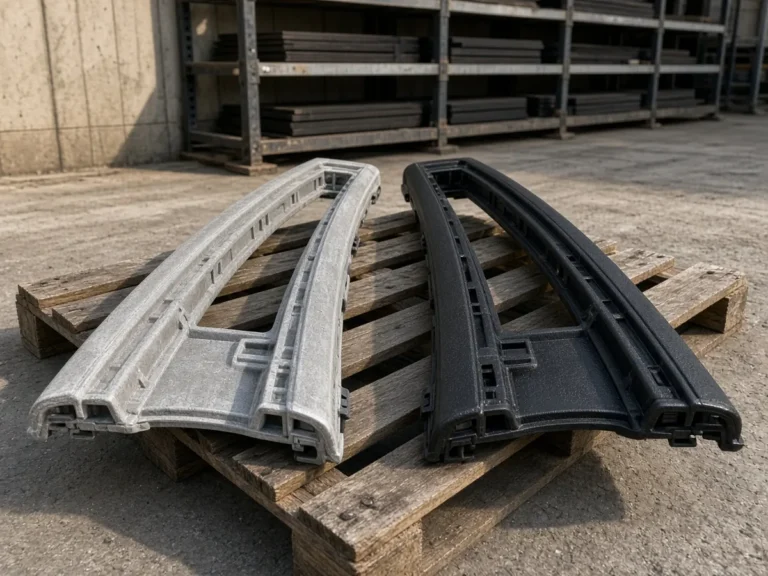
| Molded-in color | Textured black or grey plastic, no paint | Lower sections, trucks, utility vehicles | Needs UV-stable material to avoid fading |
You can read more about these finish options on our painted, primed and molded-in-color page, and about the molding process on our injection molding page.
What does CAPA certification mean for bumper parts?
The Certified Automotive Parts Association (CAPA) certifies aftermarket replacement parts in the U.S. against published standards. For this topic, the important point is that covers and bumpers fall under different CAPA standards 2.
- CAPA 201 covers plastic parts, including bumper covers. It checks appearance, coating, dimensions, fasteners, materials, vehicle test fit and, where relevant, electromagnetic compatibility.
- CAPA 501 covers bumper parts: bumpers, reinforcements, brackets and energy absorbers. On top of material, dimension and fit checks, it includes crash testing and requirements for the density and compression of absorbers.
So a CAPA seal on a cover tells you about fit and finish. It does not say anything about crash performance, because the cover is not the crash part. If crash performance matters, look at the certification of the beam, brackets and absorber.
What should buyers specify when sourcing bumper covers?
For distributors, collision parts suppliers and brands, common causes of returns on bumper covers are small mismatches: a missing sensor hole, a wrong trim opening or a cover made for a different facelift. A clear specification prevents most of them. This checklist covers the details a supplier needs:
- Vehicle model, year range and trim, plus the original part number if available.
- Front or rear, and the facelift or bumper version.
- Sensor provisions: parking sensor holes, radar brackets and blind-spot zones.
- Openings: grille, tow hook, trim inserts and license plate provisions.
- Material and finish: modified PP, unprimed, primed or molded-in color.
- Included parts: clips, side brackets and grilles, or cover only.
- Inspection points: dimensions against the original, clip strength, gaps and model and year fit.
- Any certification or market requirements, such as CAPA in the U.S.
You can see our ranges of front bumpers and rear bumpers, and how we check parts on our quality inspection page. For new programs, MOQ is discussed per project. For a wider view of the choice between original and aftermarket parts, see our OEM vs aftermarket exterior parts guide.
Conclusion
The bumper cover and the bumper are two parts of one system. The cover is the painted plastic shell that gives the car its look and holds sensors, grilles and trim. The bumper is the hidden beam, with its absorber and brackets, that takes the impact. A light scrape usually means a cover repair; a hard hit can damage the beam even when the cover looks fine.
On newer cars, the cover is also part of the driver-assistance system, so damage near radar zones changes the repair decision. Whether you are fixing one car or buying covers in volume, start by naming the exact layers you need and checking the sensor and opening details. That avoids the most common and most expensive mistakes.
Next step
If you source replacement bumper covers for a range of models, see how we support sourcing programs or send us the model list and the finishes you need.
Frequently asked questions
Is a bumper cover the same as a bumper?
No. The bumper cover is the visible plastic shell. The bumper is the metal beam behind it that absorbs impact. People often use “bumper” for both, so check which part a quote or listing means.
Can I replace only the bumper cover?
Yes, if the beam, absorber and brackets behind it are undamaged. Remove the cover to check, because a cover can spring back and hide damage behind it.
Is a bumper cover structural?
Not in the crash sense. The cover holds trim and sensors and handles light bumps, but the beam and absorber do the structural work in a collision.
Do replacement bumper covers come painted?
They can come unprimed, primed or painted to match. Primed covers are the most common for collision repair, because the shop matches the color to the car.
Are bumpers still built to survive a 5 mph impact?
Not under current U.S. rules. 49 CFR Part 581 tests passenger cars at 2.5 mph front and rear and 1.5 mph on the corners, and it does not apply to multipurpose passenger vehicles.
References
[1] U.S. Code of Federal Regulations. “49 CFR Part 581 – Bumper Standard.” eCFR.
[2] Certified Automotive Parts Association. “What We Certify.” CAPA 201 (plastic parts) and CAPA 501 (bumper parts).
[3] American Honda Motor Co. “Position Statement: Non-Repairable Zones on Bumper Covers.” September 2024. Via I-CAR RTS.
[4] Toyota Parts and Service. “Toyota Bumper Repair with ADAS: Repair or Replace It?“
[5] CarParts.com Research Team. “Bumper Cover vs. Bumper: What’s the Difference?” Updated February 2026.